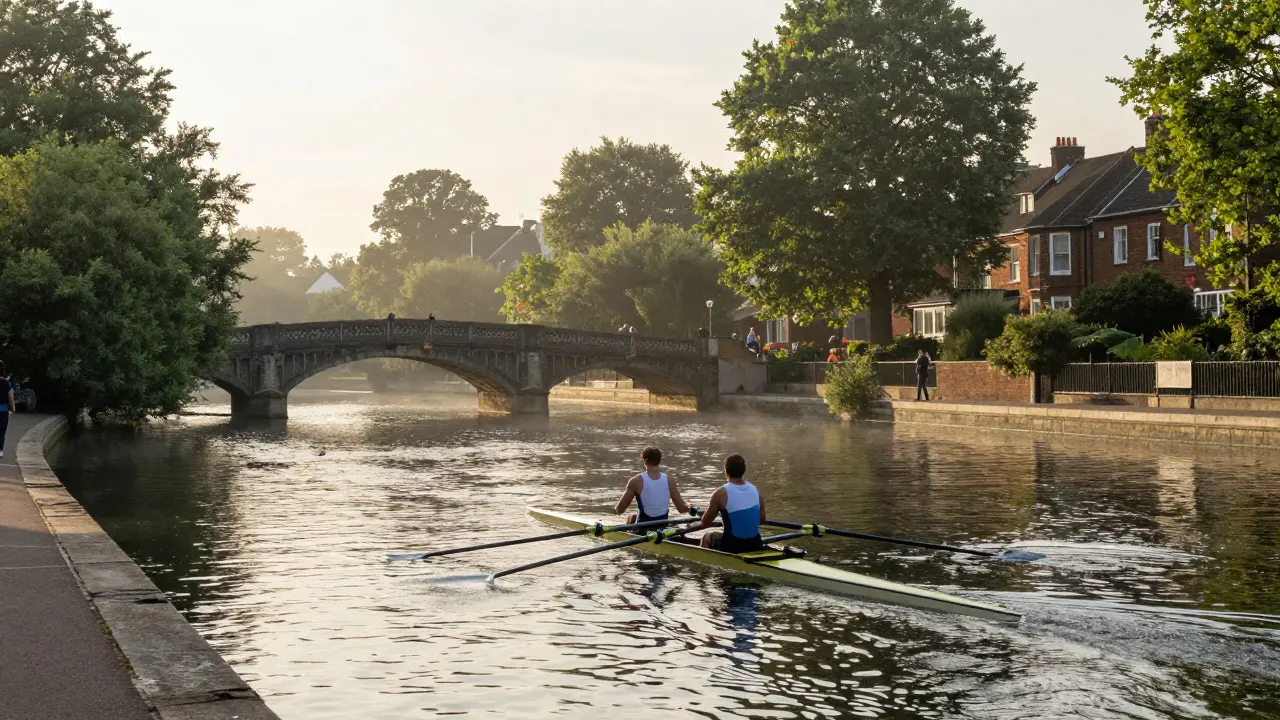
Imagine waking up to the sound of oars slicing through water rather than traffic horns. That is the reality for many residents in Putney, a vibrant district in South West London that blends historic charm with modern convenience. Located in the Royal Borough of Kensington and Chelsea, Putney is not just a postcode; it is a lifestyle defined by its deep connection to the River Thames. While other parts of London rush towards the financial core, Putney moves at a rhythm set by the tide and the morning rowers.
This area offers a unique mix of suburban tranquility and urban accessibility. You are minutes away from central London via the District Line, yet you can spend your weekends exploring ancient woodlands or enjoying a pint in a pub that has stood since the 1700s. For those considering a move or simply curious about what makes this neighborhood tick, understanding the interplay between its sporting heritage, social hubs, and natural beauty is essential.
The Heartbeat of Putney: Rowing on the Thames
You cannot talk about Putney without talking about rowing. It is the district’s cultural spine. The river here is not just a scenic backdrop; it is a training ground for some of the world’s best athletes. If you walk along the towpath on a weekday morning, you will see crews from clubs like Putney & Mortlake Rowing Club launching their boats. The atmosphere is serious but welcoming. Locals often stop to cheer on junior crews, creating a community feel that is rare in such a dense part of the city.
For residents, this means more than just watching. Many families involve their children in youth rowing programs, which serve as both a physical outlet and a social club. The infrastructure supports this well, with safe mooring points and easy access to the water. Even if you never hold an oar, the presence of the river shapes the daily life of the neighborhood. It dictates where you walk, where you eat, and how you view the seasons. Spring brings blooming banks, while autumn sees the leaves reflect off the dark water, offering a visual treat that contrasts sharply with the concrete jungle of Zone 1.
Pub Culture: Where Community Gathers
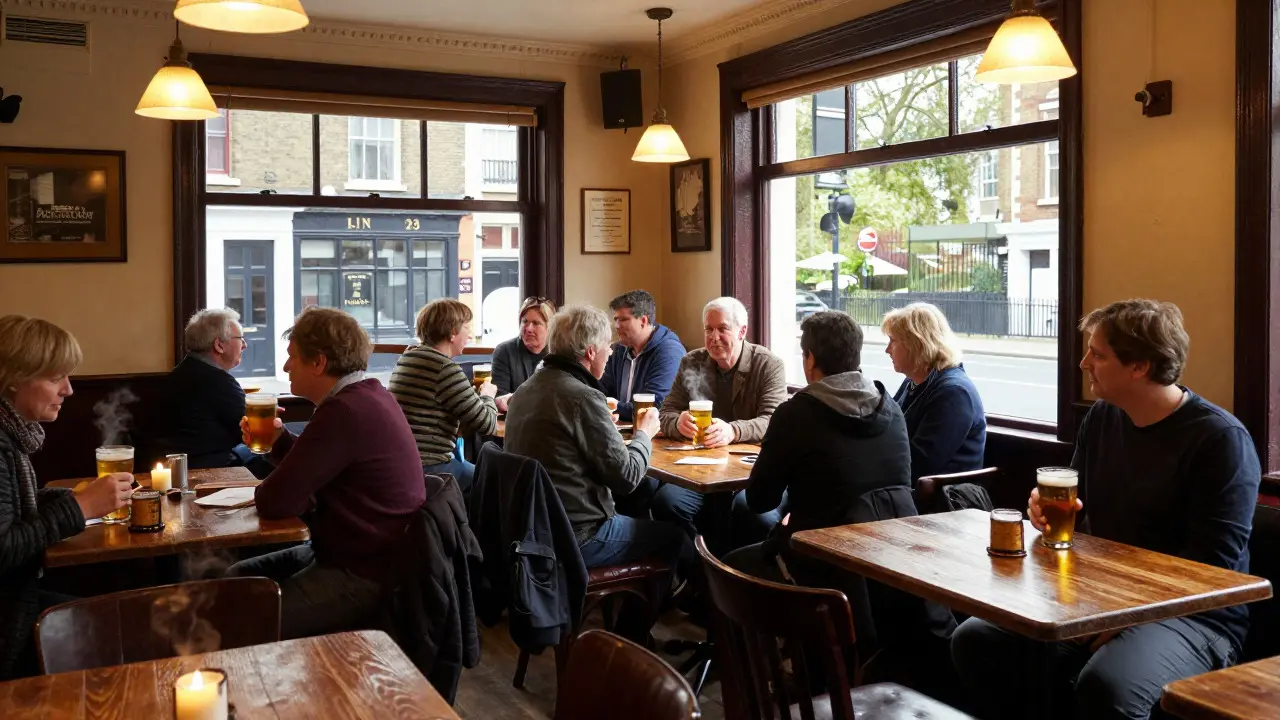
If rowing is the heart, the pubs are the lungs of Putney. They are the places where neighbors meet, business deals are whispered over pints, and visitors get a genuine taste of local character. The area boasts a variety of establishments, each with its own personality and history. One standout is The Putney Arms, known for its traditional ale selection and cozy interior. It’s the kind of place where regulars know their order before they sit down, and new faces are greeted with a nod rather than a stare.
Another notable spot is The Old Bell, which offers a slightly different vibe with its garden seating and focus on food as much as drink. On summer evenings, these gardens fill up with people escaping the heat, adding to the street-level energy. What makes Putney’s pub scene special is the diversity of clientele. You’ll find students from nearby universities, families with young kids, and retirees who have lived there for decades. This mix prevents any single group from dominating the space, keeping the atmosphere balanced and inclusive.
Green Spaces: Breathing Room in the City
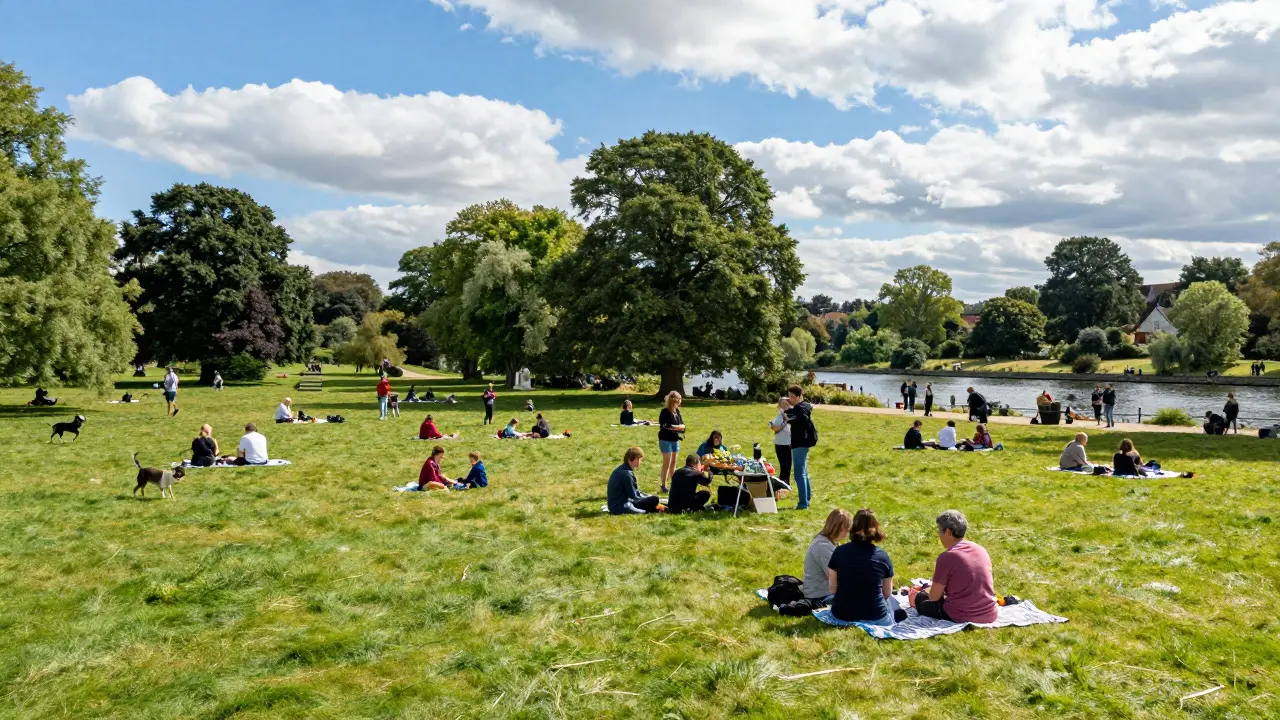
Living near a major city usually means sacrificing nature, but Putney defies this trend. The neighborhood is bordered by significant green areas that provide essential breathing room. Putney Park is the largest open space, featuring large lawns perfect for picnics, sports, and casual walks. It connects directly to the riverbank, allowing you to transition seamlessly from grassy fields to waterside paths. The park also hosts community events throughout the year, from farmers’ markets to outdoor concerts, reinforcing its role as a social hub.
Beyond the main park, there are smaller pockets of greenery scattered throughout the streets. These include pocket parks and tree-lined avenues that offer shade during the hotter months. The proximity to Richmond Park is another major plus. Just a short bus ride away, this vast expanse of heathland and woodland provides a stark contrast to the urban environment. Residents often use it for hiking, cycling, or simply walking their dogs, enjoying wildlife that includes deer and red squirrels. This access to wilder spaces is a significant factor for those prioritizing mental well-being and active lifestyles.
Daily Life and Practicalities
How does all this translate into day-to-day living? Putney is designed for convenience. The high street offers a mix of independent shops and larger chains, covering everything from fresh groceries to specialized fitness gear. You don’t need to travel far to find a good bakery, a hardware store, or a pharmacy. The local market, held weekly, adds a layer of authenticity, selling fresh produce, handmade crafts, and local delicacies. This keeps money circulating within the community and supports small business owners who become familiar faces.
Transport links are robust, with Putney Bridge Station providing direct access to the Tube network. Commuters can reach central London in under 30 minutes, making it feasible to work in the city while enjoying a quieter home base. For cyclists, the towpath offers a car-free route along the river, though it can get busy during peak hours. Car ownership is optional here; many residents rely on public transport and walking, which contributes to lower stress levels and better air quality compared to more congested boroughs.
| Feature | Putney | Chiswick | Fulham |
|---|---|---|---|
| Primary Vibe | Suburban, sporty, family-friendly | Hipster, trendy, nightlife-focused | Upscale, commercial, residential |
| River Access | Direct towpath, rowing clubs | Limited, mostly viewing | Good, but less active usage |
| Green Space | Putney Park, close to Richmond Park | Smaller parks, less extensive | Wimbledon Common (bordering) |
| Average Rent Level | Moderate-High | High | Very High |
| Best For | Families, rowers, nature lovers | Young professionals, nightlife seekers | Executives, luxury shoppers |
Schools and Family Amenities
Family life thrives in Putney thanks to a strong educational infrastructure. The area is home to several well-regarded primary and secondary schools, including both state and private options. Parents appreciate the safety of the streets and the availability of playgrounds within walking distance. The community aspect extends to school gates, where parents chat and organize activities, fostering tight-knit networks. Local leisure centers offer swimming pools, gyms, and sports facilities, ensuring that children and adults alike have places to stay active beyond the river.
Healthcare services are also readily available, with GP practices and dental clinics located conveniently along the high street. This reduces the need for long journeys for routine care. For older residents, the quiet streets and accessible parks make it an ideal place to age comfortably, with plenty of opportunities for social engagement through clubs and community groups.
Who Is Putney Right For?
Choosing a neighborhood is personal, but Putney tends to attract specific types of residents. It is ideal for families who value education and outdoor activity. Young professionals who want a balance between career and quality of life also find it appealing, especially those who enjoy running, cycling, or rowing. Retirees often move here to escape the noise of central London while remaining connected to the city’s amenities. However, it might not be the best fit for those seeking a late-night party scene or a highly cosmopolitan, fast-paced environment. The pace here is slower, more deliberate, and focused on community and nature.
Ultimately, Putney offers a rare combination in London: affordability relative to prime central areas, excellent transport links, and a genuine sense of place. Whether you are drawn by the sight of rowers gliding past your window or the smell of fresh bread from the local bakery, this neighborhood delivers a rich, fulfilling lifestyle. It is a place where the past and present coexist harmoniously, offering residents a sanctuary from the chaos while keeping the city’s best features within reach.
Is Putney safe to live in?
Yes, Putney is generally considered one of the safer areas in South West London. Crime rates are below the national average, particularly violent crime. The presence of families and active community groups contributes to a vigilant and friendly environment. As with any urban area, standard precautions apply, but residents rarely report feeling unsafe, even when walking alone in the evenings.
How far is Putney from Central London?
Putney is approximately 6 miles southwest of Central London. By Tube, it takes around 25-30 minutes to reach major hubs like Victoria or Westminster. By car, the journey can take anywhere from 20 minutes to over an hour depending on traffic conditions. The consistency of public transport makes it a reliable option for daily commuting.
Can you learn rowing in Putney?
Absolutely. Several rowing clubs operate out of Putney, including Putney & Mortlake Rowing Club. They offer beginner courses, junior programs, and competitive training. You do not need prior experience to join; most clubs welcome novices and provide coaching. Equipment rental is usually available, so you can try it out before committing to membership.
What are the best pubs in Putney for beginners?
For first-timers, The Putney Arms and The Old Bell are excellent starting points. Both offer a welcoming atmosphere, good beer selections, and reasonable prices. The Putney Arms is great for traditional pub fare, while The Old Bell offers a nice garden area for daytime visits. Avoid the very small, exclusive members-only clubs if you are visiting alone, as they may feel intimidating.
Is Putney good for families with young children?
Yes, it is highly suitable. The area has low traffic speeds on residential streets, numerous parks for play, and a strong sense of community. Schools are well-rated, and healthcare facilities are accessible. The proximity to Richmond Park provides ample space for family outings, making it a top choice for those raising children in London.