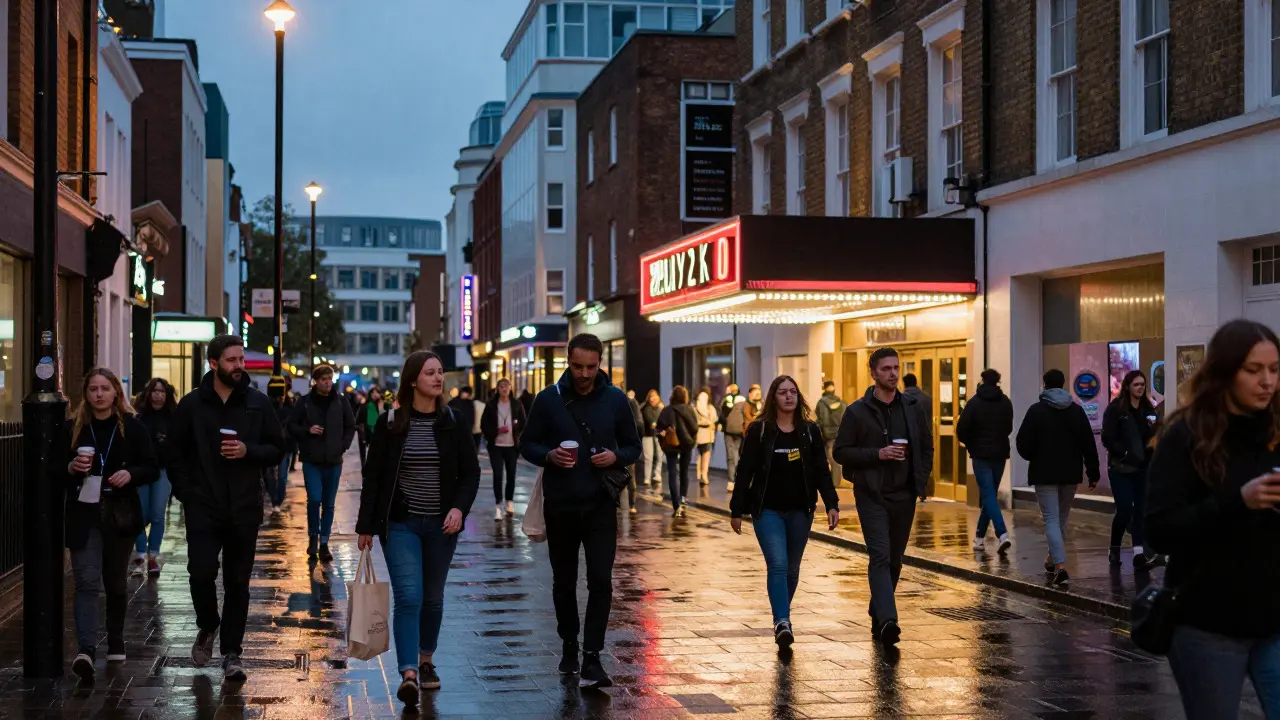
London’s film scene is loud, competitive, and often intimidating for newcomers. But every year, one event cuts through the noise to spotlight raw talent and emerging voices. The Raindance Film Festival is the UK's premier platform for independent filmmakers, showcasing new talent from across the globe. Founded in 1991 by John Birt, it has become the essential launchpad for directors like Sam Mendes and Steve McQueen. If you are an aspiring filmmaker, a curious cinephile, or a creative professional looking to break into the industry, this festival is where the magic happens.
This guide breaks down what makes Raindance unique, how to navigate its programming, and practical strategies to make the most of your time there. Whether you want to catch hidden gems on the big screen or land a meeting with a producer, understanding the ecosystem is key to turning attendance into opportunity.
Why Raindance Matters More Than Ever
In an era dominated by streaming giants and blockbuster franchises, independent cinema faces a visibility crisis. Audiences struggle to discover small-scale projects that lack massive marketing budgets. This is exactly where Independent Cinema thrives. It offers stories that are personal, experimental, and unfiltered. Raindance serves as the primary filter for these works, curating a selection that balances artistic merit with commercial potential.
The festival isn't just about watching movies; it's a business hub. According to recent industry reports, over 40% of films shown at Raindance secure distribution deals within six months of their premiere. For producers, it’s a scouting ground. For writers, it’s a validation tool. If your script or short film resonates here, you’ve entered the conversation. The energy is palpable because everyone in the room is hungry for the next big thing.
Navigating the Programming: What to Watch
With hundreds of screenings, choosing which films to see can be overwhelming. Here is how to prioritize your schedule based on your goals:
- Competition Sections: These include features, shorts, and student films. They are judged by industry professionals, so the quality bar is high. Watching these helps you understand current trends in pacing, dialogue, and visual style.
- Industry Screenings: Marked specifically for trade attendees, these sessions often feature Q&As with distributors and financiers. Even if you aren’t selling a project, listening to the questions asked reveals what buyers care about right now.
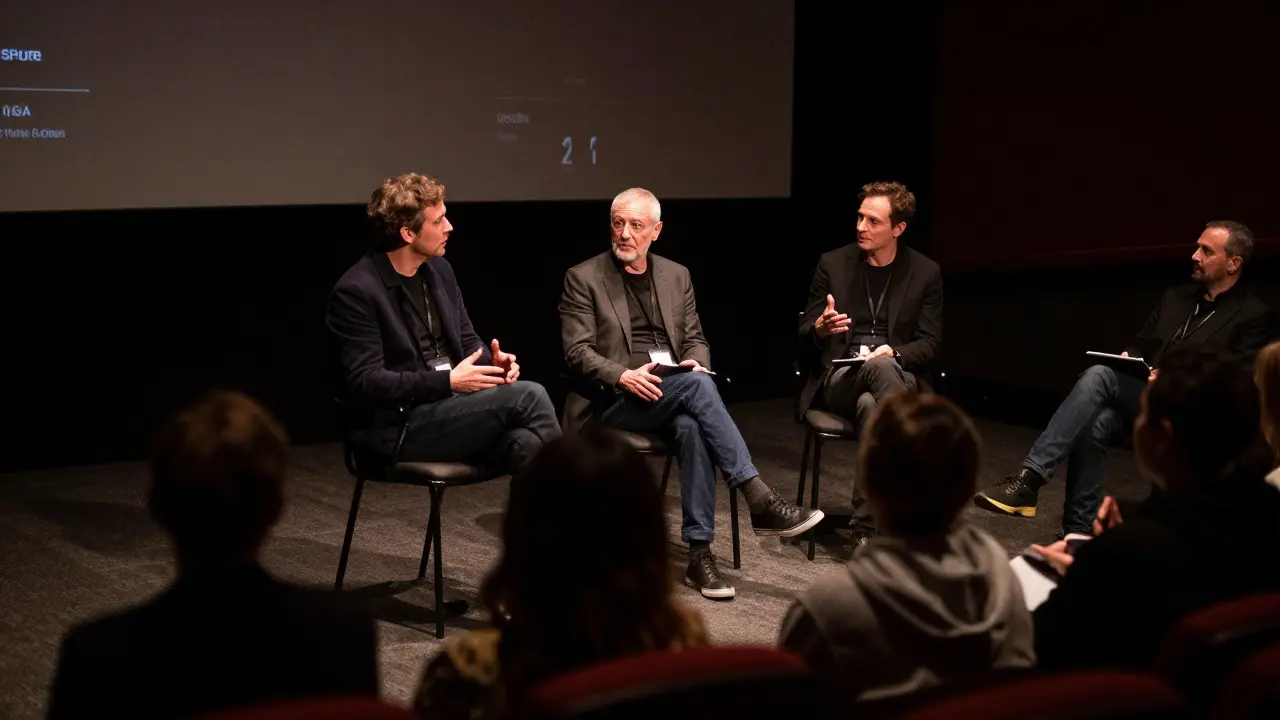
- Masterclasses & Panels: Look for sessions led by established figures like BFI (British Film Institute) executives or award-winning directors. These provide actionable advice rather than vague inspiration.
A pro tip: Don’t just stick to the headline names. The mid-tier slots often contain the most innovative work. Early morning screenings are less crowded, giving you a better seat and more space to take notes or network with other early risers who are likely serious about the craft.
Strategic Networking: Beyond the Cocktail Hour
Networking at film festivals often gets a bad rap. People think it means handing out glossy business cards and forcing conversations. In reality, effective networking is about shared context. You are all there for the same reason: to support and create film. That common ground removes the awkwardness.
Here is a simple framework for meaningful connections:
- Prep Your Elevator Pitch: Keep it under 30 seconds. Focus on the emotional core of your work, not the technical specs. “It’s a thriller about...” is weak. “It’s a story about grief set in...” is stronger.
- Listen First: Ask about their project. Most people love talking about their passion. Show genuine interest in their challenges, not just their successes.
- Follow Up Immediately: The moment you leave a conversation, jot down the person’s name and one specific detail you discussed. Send a brief email within 24 hours referencing that detail. This shows you were actually paying attention.
Don’t ignore the informal spaces. The pub near the venue, the late-night diner, or the quiet corner of the lobby are often where the real bonds form. Formal events are for introductions; informal settings are for relationships.
Practical Logistics for Attendees
Planning ahead saves stress and money. Raindance typically takes place in October, spreading screenings across multiple venues in central London. Tickets can be purchased individually or as part of a pass. Individual tickets allow flexibility but cost more per screening. Passes are better value if you plan to attend more than five events.
Transport is a critical factor. Venues are usually clustered in areas like Soho, Shoreditch, or the South Bank. Check the walking distance between locations. A 15-minute walk might feel long after a two-hour film. Having a backup transport plan, like knowing the nearest Tube station, prevents you from missing start times.
Food and hydration matter more than you think. Long days of sitting in dark rooms drain energy. Pack snacks and water. Many venues have limited catering options, and lines can be long. Staying fueled keeps your focus sharp during Q&As and networking breaks.
Turning Attendance into Career Progress
Watching films is passive. To gain active career benefits, you need to engage with the community. Consider submitting your own work. Raindance accepts entries for shorts, features, and documentaries. Even if you don’t get selected, the submission process forces you to refine your project and view it with fresh eyes.
If you are in a supporting role, such as production design or sound editing, target the technical workshops. These are smaller, more intimate, and often lead to direct job leads. Producers frequently look for reliable technicians at these events because trust is built faster in face-to-face settings.
Finally, document your experience. Write about the films you saw, the people you met, and the insights you gained. Sharing your perspective online positions you as an informed voice in the community. It shows potential collaborators that you are engaged and articulate. This digital footprint can open doors long after the festival ends.
| Ticket Type | Best For | Cost Efficiency | Flexibility |
|---|---|---|---|
| Single Screening | Casual viewers, specific title seekers | Low (higher per event) | High |
| Festival Pass | Dedicated attendees, industry professionals | High (lower per event) | Medium (limited to pass scope) |
| Industry Pass | Producers, distributors, agents | Variable (often sponsored) | Low (restricted access) |

Common Mistakes to Avoid
Even experienced attendees make errors that diminish their experience. One major mistake is trying to see everything. Fatigue sets in fast, and you miss details in later screenings. Curate ruthlessly. Choose three must-see films and build your day around them. Leave gaps for unexpected discoveries.
Another pitfall is ignoring the local context. London’s film industry is distinct from Hollywood. Understanding the specific funding models, like those offered by the UK Film Council successors, helps you ask smarter questions. Knowing the local landscape makes you a more valuable conversational partner.
Lastly, don’t forget to rest. Burnout kills creativity. Schedule downtime. Walk through Hyde Park, sit in a café, or simply sleep. A rested mind connects ideas better than an exhausted one. Treat the festival as a marathon, not a sprint.
FAQs About Attending Raindance
Is Raindance only for professionals?
No, it is open to the public. While many attendees are industry insiders, the general audience is welcome. Public screenings are clearly marked, and prices are accessible. It’s a great way for fans to discover new talent before it hits mainstream platforms.
How do I submit a film to Raindance?
Submissions usually open several months before the festival. You need to register your film online, pay a fee, and ensure your video file meets technical specifications. Deadlines are strict, so check the official timeline early. Late submissions are rarely accepted.
What should I wear to industry events?
Smart casual is the standard. You want to look put-together but comfortable enough to move around all day. Avoid overly formal suits unless attending a gala dinner. Comfort is key because you will be standing, walking, and sitting for long periods.
Are there virtual options for remote attendees?
Some panels and masterclasses may be streamed online, especially post-pandemic. However, the core experience relies on in-person interaction. Check the festival website for any hybrid offerings, but plan to attend physically for the full impact.
How much does it cost to attend?
Budget roughly £50-£100 for a few individual screenings. A full pass can range from £150 to £300 depending on the year and included perks. Add accommodation and food costs. If you are based in London, the travel cost is minimal. If traveling from abroad, budget accordingly for flights and hotels.