Why Richmond Park Feels Different
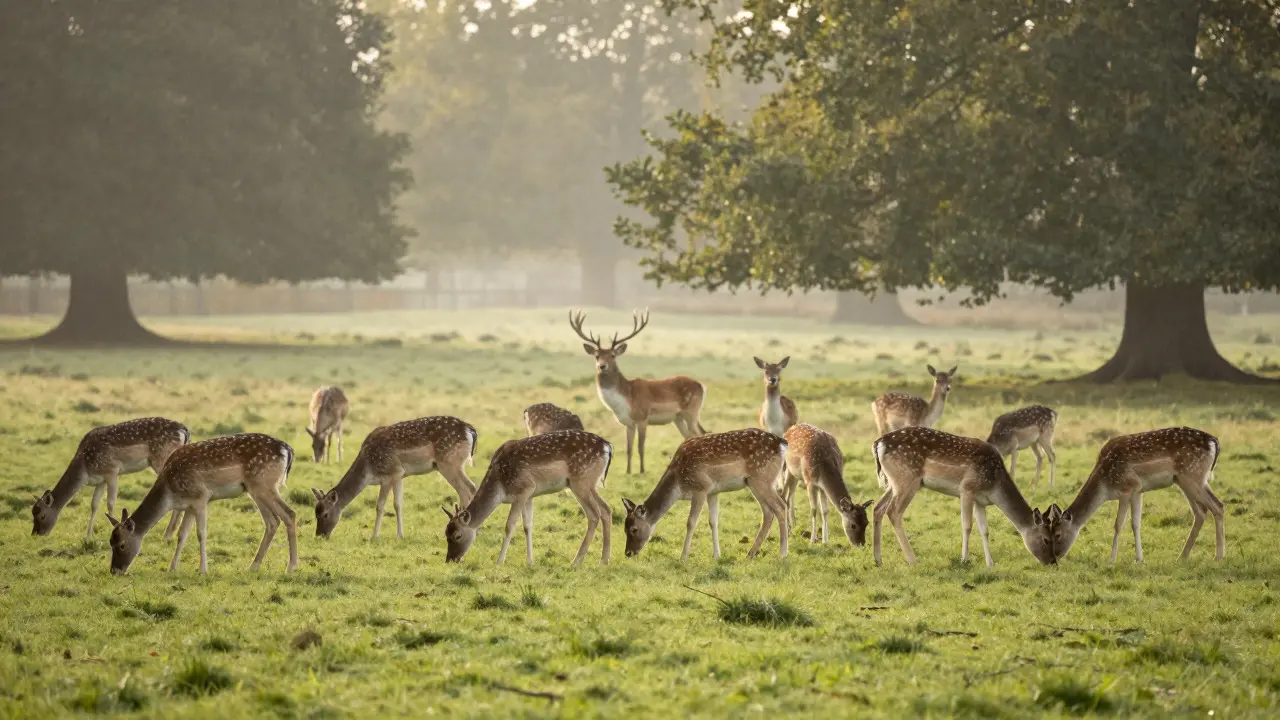
You step out of the tube station at Richmond, and the air changes. It’s cooler, smells like wet earth and pine, and the noise of the city fades into a distant hum. This is Richmond Park is the largest Royal Park in London, covering 2,500 acres of open grassland, woodland, and heathland. Unlike Hyde Park or Regent's Park, which are manicured and crowded with joggers and tourists, this place feels wild. You aren't just visiting a park; you're entering a living ecosystem where hundreds of animals roam free.
The core promise of this guide is simple: how to see the most iconic wildlife, understand the deep history that shaped this landscape, and find the best spots for photos of the River Thames. Whether you have two hours or a full day, this breakdown helps you navigate the terrain without getting lost or missing the highlights.
Key Takeaways
- Deer behavior: The best time to spot deer is early morning (7-9 AM) or late afternoon (4-6 PM). Avoid feeding them.
- History: Founded in 1626 by King James I as a hunting ground, it remains one of the few royal parks still used for its original purpose.
- Thames Views: The best photo opportunities are at the western edge near Richmond Hill and along the riverside path.
- Access: Free entry, but parking is limited and expensive. Public transport via National Rail or DLR is highly recommended.
The Deer: What to Expect and How to Behave
The main attraction here is the herd of wild deer. There are four species present: red deer, fallow deer, sika deer, and roe deer. In total, there are roughly 1,800 animals roaming the park. They are not pets. They are wild animals that happen to live in a managed environment. Understanding their habits will make your visit much more rewarding and safer.
Fallow Deer is the most common species in Richmond Park, easily identifiable by their white-spotted brown coats and lyre-shaped antlers. Males grow large antlers during spring and summer, which they shed in winter. If you see a male with a rack of antlers, it’s likely a mature bull. These animals are generally shy but can become aggressive if cornered or if they feel their fawns are threatened.
Sika Deer is a smaller, spotted species introduced in the 19th century, known for their distinct white spots on a reddish-brown coat. They tend to stay in the woodlands rather than the open fields. Spotting them requires patience and quiet movement through the trees.
Here is the golden rule: Do not feed the deer. For years, visitors threw bread, apples, and carrots. This led to health problems like bloat and malnutrition. Now, feeding is strictly prohibited. If you do feed them, you risk a fine. Instead, bring binoculars. A good pair of 8x42 binoculars allows you to observe them from a respectful distance without disturbing their natural behavior.
| Species | Appearance | Habitat Preference | Best Time to See |
|---|---|---|---|
| Fallow Deer | Brown with white spots, large antlers | Open grasslands and edges of woods | Dawn and Dusk |
| Red Deer | Tan/brown, larger size, dark tail | Woodlands and rough grazing areas | Early Morning |
| Sika Deer | Small, reddish-brown with white spots | Dense woodlands | Morning |
| Roe Deer | Small, brown, no antlers on females | Undergrowth and hedgerows | Dawn/Dusk |
A Brief History: From Hunting Ground to Public Space
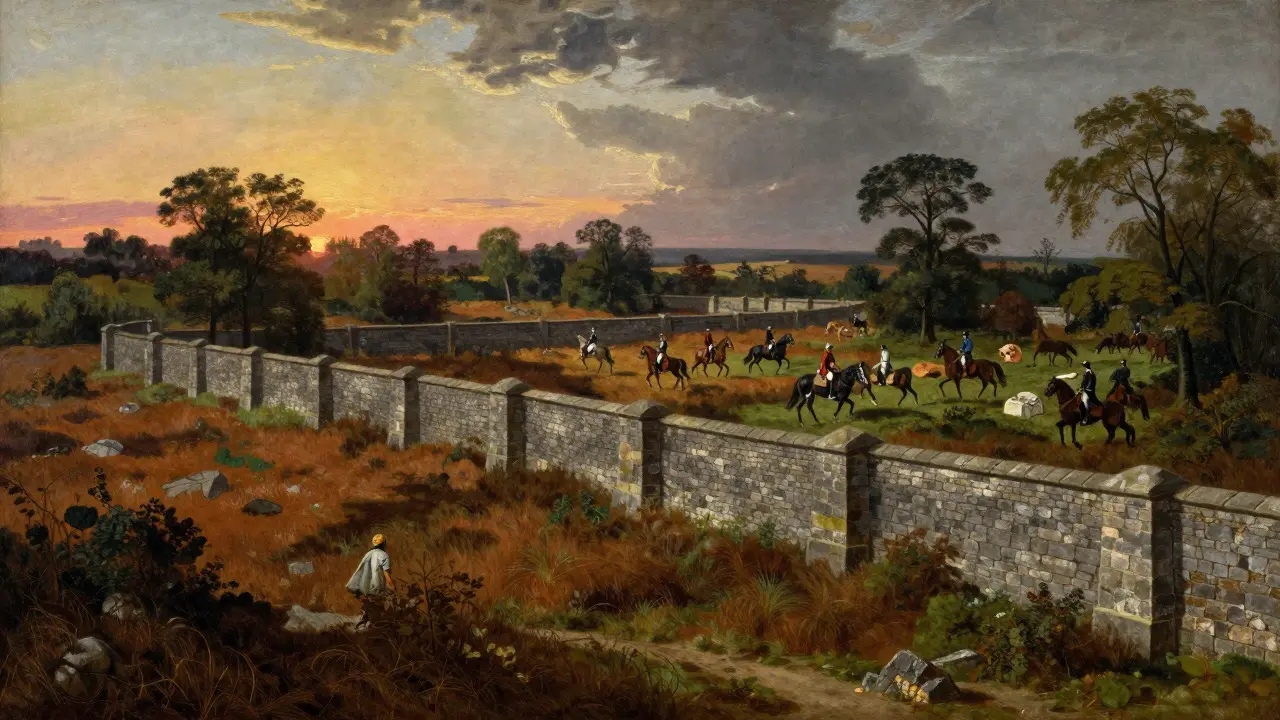
To appreciate the layout of the park, you need to understand why it looks the way it does. King James I was the monarch who officially designated the area as a royal hunting park in 1626. Before that, the land was a mix of farmland and forest. The King wanted a place to hunt deer, so he cleared the land and enclosed it with walls. The park was designed to be a controlled environment for sport, not recreation for the public.
For centuries, only the wealthy had access. Commoners were forbidden from entering unless they worked for the Crown. This exclusivity lasted until the 19th century when the park began opening to the public, though restrictions remained. Today, it is fully accessible, but the historical boundaries remain visible. The perimeter wall, built in the 1600s, still encloses the park, separating the wild interior from the suburban streets outside.
This history explains the lack of paved paths throughout the entire area. Most of the trails are dirt tracks originally used by horseback riders. This gives the park its rugged, unpolished character. It’s not a place for strollers or high heels. Wear sturdy shoes. The ground can be muddy after rain, especially in the lower-lying areas near the water.
Best Spots for Thames Views
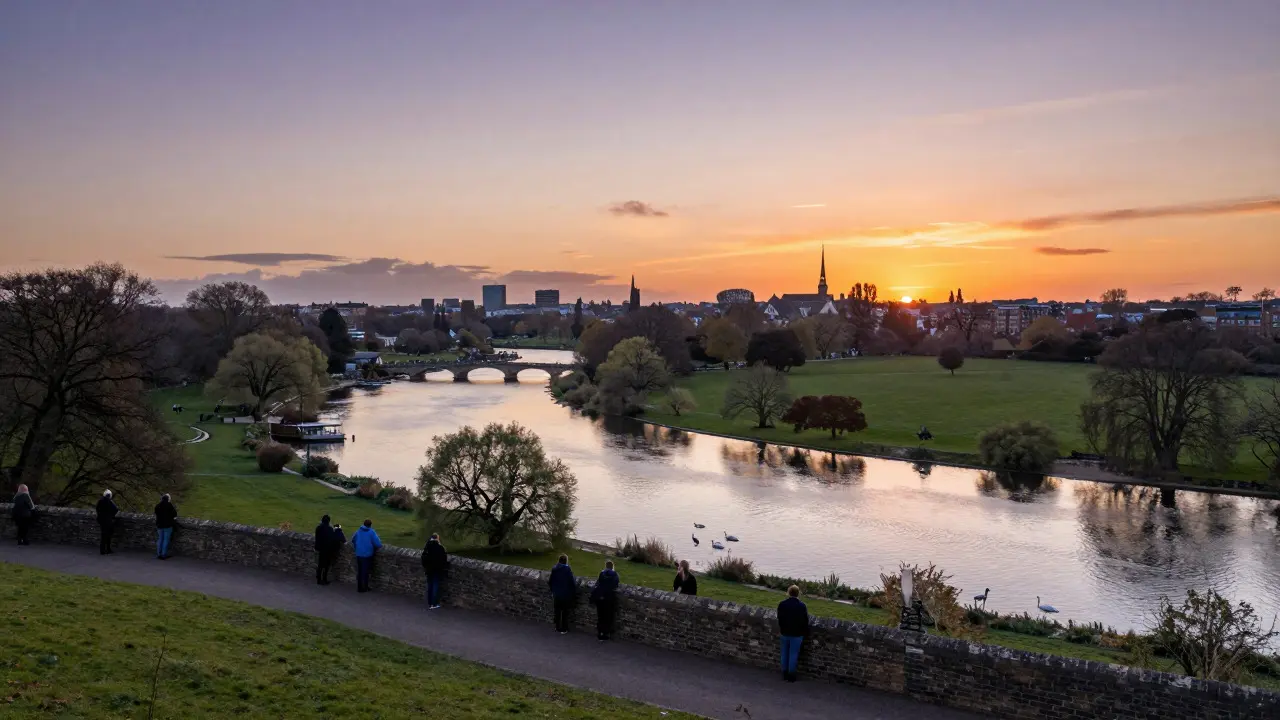
While the deer steal the show, the view of the River Thames is the defining geographic feature of Richmond Park, offering panoramic vistas from elevated points like Richmond Hill. The river runs along the western boundary of the park. Several viewpoints offer different perspectives, depending on what you’re looking for.
Richmond Hill: Located just outside the park gates, this is the classic postcard view. You look down at the river, the bridge, and the green expanse of the park. It’s busy, but worth it for the scale. Go at sunset for the best light.
The Riverside Path: Inside the park, a path runs parallel to the river. This is quieter and offers eye-level views of the water. You’ll often see swans, ducks, and herons here. It’s a great spot for photography if you want to capture the interaction between the water and the park’s vegetation.
Upper Lake: Not directly on the Thames, but connected to the water system, the Upper Lake provides a serene setting. The surrounding trees frame the water beautifully. It’s less about the river itself and more about the peaceful atmosphere created by the water and the surrounding woodland.
Practical Tips for Your Visit
Planning ahead makes the difference between a stressful trip and a relaxing one. Here’s what you need to know before you go.
Getting There:
- By Train: Take the South West Main Line to Richmond Station. It’s a 10-minute walk to the park entrance. This is the most convenient option.
- By Bus: Buses 263, 265, and 411 stop near the park entrances. Check local timetables as they can vary.
- By Car: Parking is available at several lots, including those near the Richmond Gate and the Lower Gate. However, spaces fill up quickly on weekends. Expect to pay around £5-£8 per hour. If you’re driving, arrive before 10 AM or after 4 PM.
What to Bring:
- Water and snacks (there are cafes, but prices are higher).
- Binoculars for wildlife viewing.
- Sturdy footwear. The paths are uneven.
- A map. While signs exist, the park is large and easy to get turned around in.
Timing Your Visit:
- Spring (March-May): Best for seeing fawns. The grass is green, and the weather is mild. Crowds start to build up.
- Summer (June-August): Hot and crowded. Deer are less active during the midday heat. Go early or late.
- Autumn (September-November): Beautiful foliage. Cooler temperatures make walking more comfortable. Good light for photography.
- Winter (December-February): Quiet and atmospheric. Deer are easier to spot because the leaves are off the trees. Can be cold and windy.
Common Mistakes to Avoid
Even experienced visitors make mistakes in Richmond Park. Avoid these pitfalls to ensure a smooth experience.
Feeding the Animals: As mentioned, it’s banned. But people still do it. Don’t be one of them. The deer are adapted to the local vegetation. Human food causes digestive issues.
Ignoring the Gates: Some gates are locked at night. Check the opening hours if you plan to stay late. The park is open from dawn to dusk, but some entrances may close earlier.
Assuming All Paths Are Paved: Many trails are dirt or gravel. After rain, they can be slippery. Wear appropriate shoes.
Missing the History: Don’t just focus on the deer. Look for the old walls, the historic buildings, and the plaques explaining the park’s past. It adds depth to the experience.
Frequently Asked Questions
Is Richmond Park free to enter?
Yes, entry to Richmond Park is completely free. You only pay if you use paid facilities like parking or hire equipment for cycling or rowing.
Can you feed the deer in Richmond Park?
No, feeding the deer is prohibited. It harms their health and can lead to fines. Use binoculars instead to observe them from a distance.
What is the best time of day to see deer?
The best times are early morning (7-9 AM) and late afternoon (4-6 PM). Deer are most active during these periods and rest in the shade during the hottest part of the day.
How big is Richmond Park compared to other London parks?
Richmond Park is the largest Royal Park in London, covering 2,500 acres. It is significantly larger than Hyde Park (142 acres) and Green Park (38 acres), offering a much more spacious and wild experience.
Are dogs allowed in Richmond Park?
Yes, dogs are allowed but must be kept on leads within 50 meters of any deer. This rule protects both the animals and your pet from potential conflicts.