
Imagine you’ve just landed at Heathrow. You’re excited, maybe a bit jet-lagged, and you have one burning question: how do I actually get a flat? For many people moving from abroad, the answer isn’t about money or credit scores-it’s about paperwork. Specifically, it’s about proving you have the legal right to live here. This is known as the Right to Rent scheme, a mandatory check introduced by the UK government that requires landlords and letting agents to verify the immigration status of prospective tenants before signing a lease. If you miss a document or present an expired visa, your application can stall for weeks, or worse, get rejected entirely.
It feels bureaucratic, doesn’t it? But understanding exactly what landlords need-and why they need it-can save you from the nightmare of losing a property you loved because of a technicality. Let’s break down exactly which documents work, which ones don’t, and how to navigate this system without losing your mind (or your deposit).
What Exactly Is the Right to Rent Scheme?
The Right to Rent scheme isn’t a new invention; it came into force in England in 2014. The logic is simple: if you are allowed to be in the UK, you are allowed to rent a home here. If you aren’t, you can’t. Landlords are legally required to check this. If they fail to do so, they face heavy fines-up to £3,000 per adult tenant who doesn’t have the right to rent.
This puts landlords in a tricky spot. They want good tenants, but they also want to avoid fines. As a result, they tend to be extremely strict about documentation. They aren’t trying to be difficult; they are protecting themselves. Your job is to make their life easy by providing clear, valid proof of your status.
| Tenant Type | Action Required | Key Document |
|---|---|---|
| British Citizens | Standard ID Check | Passport with British nationality |
| EU/EEA/Swiss Citizens (Pre-Settled/Settled) | Share Code Verification | UK Share Code + Passport |
| Visa Holders (Work/Study/Family) | Visa Status Check | BRP Card or eVisa Share Code |
| Non-EU Visitors | Usually Restricted | Valid Long-Term Visa |
The Digital Shift: Why Physical Documents Are Vanishing
If you read guides from 2019, they might tell you to bring your original passport and Biometric Residence Permit (BRP) card to the viewing. That advice is now outdated. Since 2023, the UK has moved toward digital immigration status. Most non-British citizens no longer receive physical BRP cards. Instead, your status exists online.
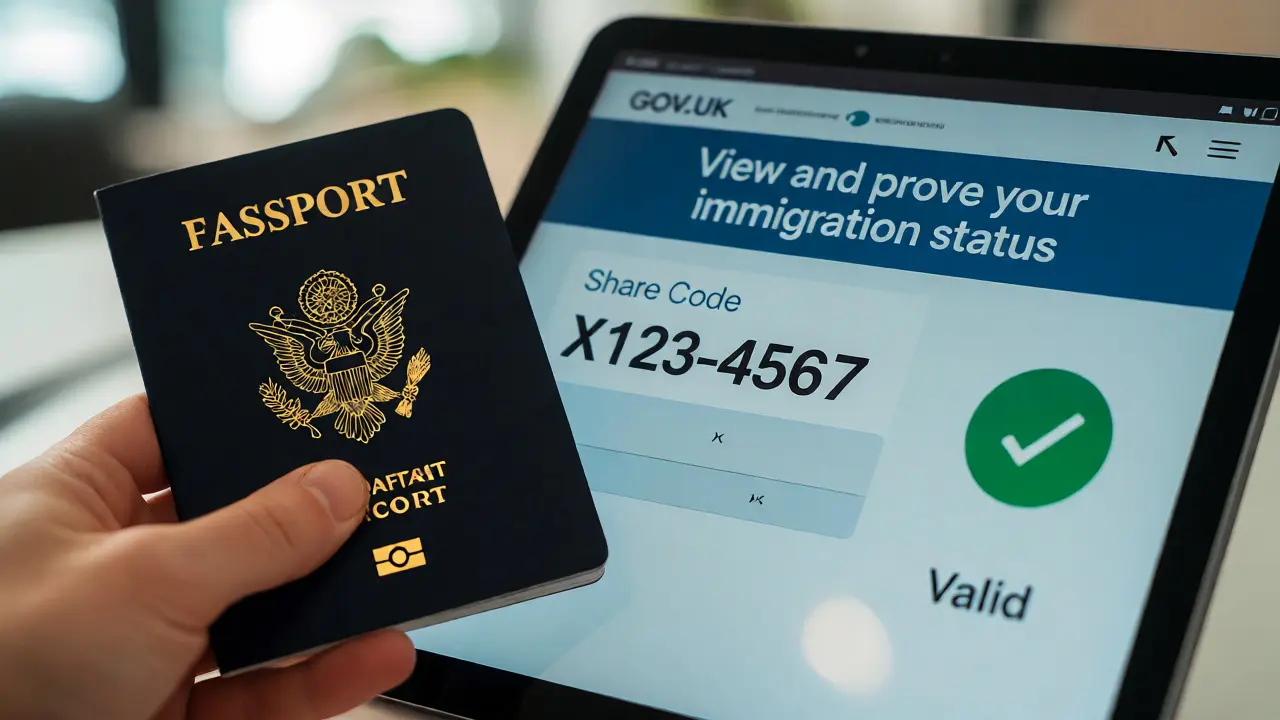
This means you need to generate a "Share Code." Think of it as a temporary password that lets a landlord look up your specific immigration status on the government website. It expires after 90 days, so timing is everything. Don’t generate it three months before you move; generate it when you are ready to apply.
Documents You Need Based on Your Nationality
Your nationality dictates the path you take. Here is the breakdown for the most common scenarios international tenants face in London.
For EU, EEA, and Swiss Citizens
Post-Brexit, freedom of movement ended. If you arrived before December 31, 2020, you likely applied for the EU Settlement Scheme. You either have "Settled Status" (indefinite leave to remain) or "Pre-Settled Status" (temporary). Both allow you to rent.
- Step 1: Go to the GOV.UK "View and prove your immigration status" page.
- Step 2: Log in using your email address and the date of birth you used for your application.
- Step 3: Generate a Share Code. It looks like a string of letters and numbers (e.g., X123-4567-8901-2345).
- Step 4: Give this code to the landlord along with your passport number.
If you haven’t applied for the scheme yet, you must do so immediately. Without it, you cannot prove your right to rent digitally.
For Non-EU Citizens with Visas
This group includes students, skilled workers, and family visa holders. If you still hold a physical BRP card issued before June 2024, you can show that alongside your passport. However, most new arrivals now use the eVisa system.
To prove your right to rent with an eVisa:
- Create a UKVI account if you haven’t already. This links your passport to your digital record.
- Log in to your UKVI account.
- Select "Get a share code" under the "Prove your immigration status" section.
- Choose "Employer" or "Landlord" as the reason for sharing.
Note that some visas restrict access to public funds. While this affects benefits, it generally does not stop you from renting privately, provided you have enough income. Landlords may ask for bank statements to prove you can pay rent, separate from the immigration check.
For British and Irish Citizens
You have the easiest time. You simply need to provide one of the following:
- A current British or Irish passport.
- A UK birth certificate plus a photo ID (like a driving license) if you don’t have a passport.
No Share Codes. No online portals. Just hand over the document, let them copy it, and you’re done.
Common Pitfalls That Kill Rental Applications
Even with the right documents, things go wrong. Here are the top reasons international applications get rejected during the Right to Rent phase.
Expired Share Codes: Remember, these codes expire after 90 days. If you send a code in January and the landlord tries to check it in April, it fails. Always generate a fresh code if more than two weeks have passed since your last attempt.
Name Mismatches: Does your passport name match your visa application name exactly? If you got married or changed your name, ensure all documents reflect the same spelling. A missing middle name or a hyphen difference can trigger a manual review, delaying your move-in date.
Passport Expiry: Your passport must be valid for the duration of the tenancy check. If your passport expires in two months, but your lease is for twelve, the landlord might hesitate. Some will accept it, others won’t. Renewing your passport before moving is often cheaper than losing a month’s rent.
Dependent Children: If you are moving with kids, they also need a right to rent check. Each child needs their own Share Code or passport entry. Do not assume they are covered under yours automatically.
How to Speed Up the Process: Pro Tips for Tenants
London’s rental market moves fast. Good flats are gone within hours. Here is how to stay ahead.
Prepare a "Digital Pack": Before you even start viewing, create a PDF folder containing: * Scans of your passport bio-page. * Proof of address in your current country (if applicable). * Bank statements showing you can afford the rent (usually 3x the monthly rent).
Communicate Early: When you contact an agent, state your status upfront. Say, "I am on a Skilled Worker Visa with indefinite leave to remain until 2027," rather than waiting for them to ask. Transparency builds trust.
Use Reputable Agents: Large agencies like Foxtons, Savills, or Knight Frank have streamlined digital processes. Smaller private landlords sometimes struggle with the tech side of Right to Rent checks. If you hit a snag with a small landlord, offer to walk them through the GOV.UK verification site yourself.
Understand Guarantors: If your visa is short-term (less than six months remaining), landlords might ask for a guarantor-a person based in the UK who promises to pay if you default. Alternatively, you might be asked to pay six months’ rent upfront. This is common for international tenants and isn’t necessarily a sign of distrust, but rather risk mitigation.

What If You Are Refused?
Sometimes, despite having valid documents, a landlord refuses you. Was it discrimination? Possibly. The law prohibits discrimination based on race or national origin. However, landlords can refuse you for other reasons: poor credit history, insufficient income, or lack of references.
If you suspect discrimination, keep records. Did they refuse other applicants with similar profiles? Did they treat you differently than a local applicant? You can complain to the Equality Advisory and Support Service (EASS). But practically speaking, in London’s competitive market, it is often faster to find another landlord who understands international tenants than to fight a potential legal battle while homeless.
Final Checklist Before You Sign
Before handing over your deposit, run through this quick list:
- Is my Share Code active and less than 90 days old?
- Does my passport number match the number in my UKVI account?
- Have I provided proof of income or savings?
- Do I understand the length of my visa versus the length of the lease?
- Has the landlord confirmed they have completed the check?
Renting in London as an international tenant is a hurdle, but it is a manageable one. The key is preparation. Get your digital status sorted, keep your documents organized, and communicate clearly. Do that, and you’ll be unpacking boxes in your new London flat sooner than you think.
Can I rent a flat in London on a tourist visa?
Generally, no. Tourist visas usually do not grant the right to rent long-term accommodation. Landlords typically require a visa that allows you to reside in the UK for the duration of the tenancy, such as a Student, Work, or Family visa. Short-stay visitors might find rooms in hostels or sublets, but standard residential leases are rarely offered.
Do I need a UK bank account for the Right to Rent check?
No, the Right to Rent check itself only verifies your immigration status. However, to set up Direct Debit for rent payments, most landlords and agents will require a UK bank account. You can open one after securing the tenancy, though some banks require proof of address first, creating a slight catch-22. Using a service like Wise or Revolut can help bridge this gap initially.
What happens if my visa expires during the tenancy?
If your visa expires while you are living in the flat, the landlord must conduct a follow-up check. If you extend your visa successfully, you provide a new Share Code. If you do not extend and your status lapses, you lose the right to rent. The landlord may then serve notice to end the tenancy, depending on the terms of your contract and the urgency of the situation.
Are there exceptions to the Right to Rent scheme?
Yes, certain accommodations are exempt. These include care homes, student halls of residence owned by universities, hospitals, and some types of social housing. Additionally, if you are staying in a hotel or hostel where meals are provided, the check may not apply in the same way as it does for private residential rentals.
Can a landlord reject me solely because I am foreign?
Legally, no. Under the Equality Act 2010, rejecting someone solely due to their nationality or ethnic origin constitutes direct discrimination. However, landlords can reject you for financial reasons, such as inability to prove affordability or lack of a UK credit history. Many landlords prefer tenants with a UK credit file, which international tenants naturally lack, leading to indirect barriers.