
You might know Samuel Johnson, better known as Dr. Johnson, as the grumpy lexicographer who spent nine years defining the English language. But in 18th-century London, he was also a celebrity, a gossip magnet, and a man who struggled with depression while living in cramped rooms above shops. If you walk down Gough Square today, you’re walking on ground that shaped modern English. This isn’t just about old buildings; it’s about understanding how one stubborn Scot built a monument to words in the heart of the City.
The Man Behind the Words
Before we look at the map, let’s get clear on who we are visiting. Johnson was not your typical academic. He had no university degree from Oxford or Cambridge because he couldn’t afford to finish his studies there. He arrived in London in 1737 with almost nothing but a manuscript for an epic poem called London. For seven years, he worked as a hack writer, contributing to The Gentleman’s Magazine and barely making ends meet. His breakthrough came when publisher Robert Dodsley introduced him to a group of booksellers who wanted a definitive dictionary. The result? A monumental work published in 1755 that defined over 40,000 words using quotations from literature rather than rigid rules.
This approach changed everything. Instead of saying "a word means X," Johnson showed how Shakespeare, Milton, and Dryden actually used it. It made the dictionary feel alive. And much of this work happened in a small, noisy house in Gough Square, near St Paul’s Cathedral. That house is still there. It’s the anchor of our tour.
Gough Square: The Heart of the Operation
Gough Square is a quiet pocket of greenery tucked away from the bustle of Fleet Street. It feels like a secret, which is exactly what Johnson liked. In 1748, he moved into a large townhouse here (No. 17) to house his team of six amanuenses-assistants who helped copy out definitions and find quotations.
Today, The Samuel Johnson House is a museum run by the City of London Corporation. It’s free to enter, which is a rare treat in central London. You can stand in the kitchen where he drank tea until midnight. You can see the room where he allegedly threw a cat through a window after it kept scratching his manuscripts. (He later apologized to the cat, claiming it was the only creature that never betrayed him.)
| Feature | Detail |
|---|---|
| Address | 17 Gough Square, EC4A 3DE |
| Occupancy Period | 1748-1759 |
| Primary Work Done Here | A Dictionary of the English Language |
| Current Status | Museum & Literary Center |
| Entry Fee | Free (Donations appreciated) |
The house itself is a Georgian townhouse, restored to reflect its 18th-century appearance. It’s not huge, but it’s dense with history. The guides often point out the narrow staircase. Imagine carrying heavy folios up those steps every day. It gives you a physical sense of the labor involved in creating the dictionary.
Fleet Street: The Noise and the News
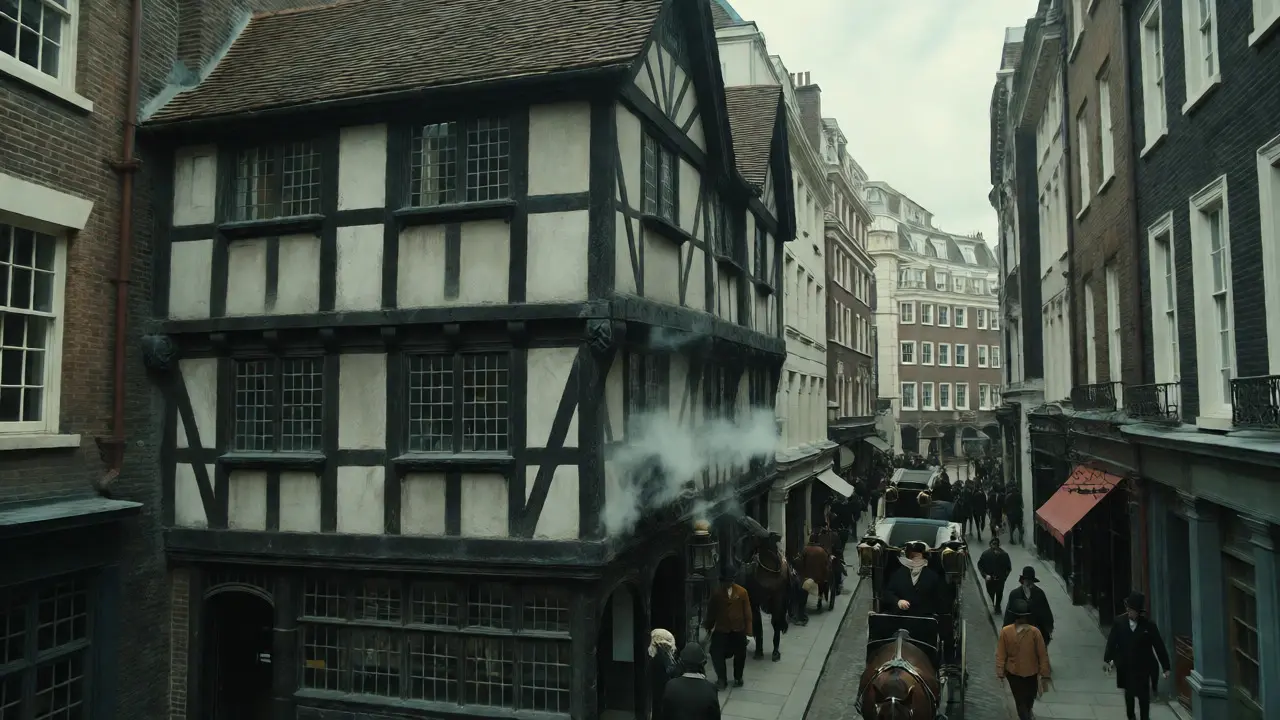
Step out of Gough Square and you’re instantly back in the roar of London. Just around the corner lies Fleet Street. In Johnson’s time, this was the press capital of the world. Newspapers were printed here, pamphlets flew off presses, and political debates raged in coffee houses.
Johnson hated the noise of Fleet Street, yet he thrived in it. He needed the proximity to publishers and printers. Today, Fleet Street has lost most of its newspapers, replaced by corporate offices and luxury hotels. But if you look closely, you can still spot remnants of its journalistic past. The Daily Express building, now converted into apartments, stands as a reminder of the street’s former glory.
For a more authentic vibe, duck into Ye Olde Cheshire Cheese on Wine Office Court. It’s a pub that dates back to 1667, rebuilt after the Great Fire. Johnson was a regular here. He claimed he preferred the company of men over women, though he also said, "When a man is tired of London, he is tired of life." Sitting in this pub, surrounded by dark wood and low ceilings, you understand why. It’s intimate, warm, and timeless.
St Paul’s Cathedral and the Book Trade
Johnson lived and worked in the shadow of St Paul’s Cathedral. Why does this matter? Because the area around the cathedral was the hub of the book trade. Publishers clustered here because they could reach both the legal profession (nearby Inns of Court) and the general public.
Walk across Paternoster Square, right next to the cathedral. You’ll see a statue of Johnson. It’s modest compared to the grand monuments nearby, but it’s significant. It marks the spot where Johnson would have walked daily. From here, you can trace his route to various coffee houses and publishing houses.
One key stop is Mitre Tavern on Fleet Street. While the original tavern is gone, the site is marked. Johnson dined here with friends like Joshua Reynolds, the famous painter. These gatherings weren’t just social; they were intellectual exchanges. Ideas for essays, plays, and dictionaries were hatched over wine and roasted meats.
Other Key Haunts in Central London
While Gough Square is the main event, Johnson’s footprint extends further. Here are three other spots worth adding to your itinerary:
- Strand and Covent Garden: Johnson frequented the theaters here. He wrote extensively about drama, criticizing Shakespeare’s adherence to classical unities while praising his character depth. Walking through Covent Garden Market, imagine the crowds that gathered to see performances Johnson reviewed.
- Bolt Court, Temple Bar: After leaving Gough Square, Johnson moved to a smaller house in Bolt Court. This is where he died in 1784. The house is long gone, but a plaque marks the location. It’s a somber end to a vibrant career, reflecting his final years of illness and isolation.
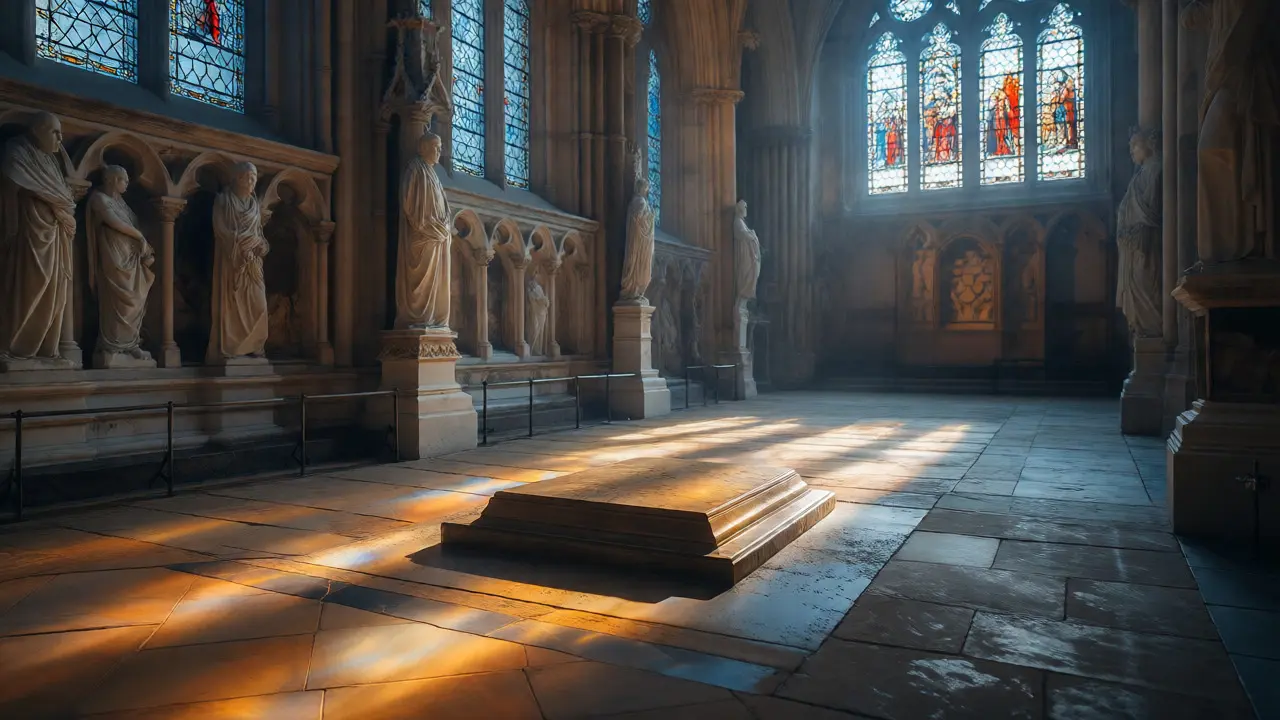
- Westminster Abbey: You don’t need to be a royal fan to appreciate this. Johnson is buried in Poets’ Corner. His grave is simple, marked only by a stone slab. It’s easy to miss among the towering memorials of Tennyson and Dickens. Take a moment to read the inscription. It reflects the humility Johnson often displayed despite his fame.
Why Walk Johnson’s London Today?
London changes fast. Glass towers replace brick warehouses. Coffee chains replace independent roasters. But walking Johnson’s path connects you to a specific moment in cultural history. It’s the moment when English stopped being a chaotic mix of French imports and Saxon roots and became a standardized, respected language.
Moreover, Johnson’s story is relatable. He battled mental health issues, financial instability, and self-doubt. Yet he produced work that endures. For writers, editors, or anyone who loves language, this walk is a pilgrimage. It reminds us that great work often happens in messy, imperfect conditions.
If you’re planning this trip, combine it with a visit to the British Library. They hold some of Johnson’s personal papers and early editions of his dictionary. Seeing his handwriting-small, cramped, precise-makes the man real. He wasn’t a myth; he was a guy with a pen and a deadline.
Practical Tips for Your Visit
Most of these sites are within a 15-minute walk of each other. Start at Gough Square in the morning to avoid crowds. Then head to St Paul’s, grab lunch at Ye Olde Cheshire Cheese, and finish with a stroll down Fleet Street. Wear comfortable shoes; London pavements are uneven, especially in older areas.
Check opening times for the Samuel Johnson House before you go. It’s usually open Tuesday to Saturday, but hours can vary. And bring cash for donations; the museum relies on them to keep the lights on.
Is the Samuel Johnson House free to enter?
Yes, admission to the Samuel Johnson House in Gough Square is completely free. However, they rely heavily on visitor donations to maintain the historic property and fund educational programs, so bringing a few pounds is encouraged.
Where exactly did Samuel Johnson live in London?
His most famous residence was at 17 Gough Square, near St Paul’s Cathedral, where he compiled his dictionary. Later in life, he moved to Bolt Court, near Temple Bar, where he eventually passed away in 1784.
What is the significance of Ye Olde Cheshire Cheese to Johnson?
This pub in Fleet Street was a favorite haunt of Johnson. It offers a glimpse into the 18th-century coffee house culture where intellectuals debated politics and literature. The interior remains largely unchanged since the 1600s, providing an atmospheric connection to his era.
Can I see Johnson’s original dictionary pages?
While the Gough Square house displays facsimiles and context, original first-edition copies are often held in major collections like the British Library or private archives. The house focuses more on recreating the domestic environment in which he worked.
How long does it take to explore Johnson’s London sites?
A focused walking tour covering Gough Square, St Paul’s, and Fleet Street takes about half a day. If you include a leisurely lunch at Ye Olde Cheshire Cheese and a visit to Westminster Abbey, plan for a full day to fully absorb the atmosphere.