British Museum: Free Art, History, and Hidden Gems in London
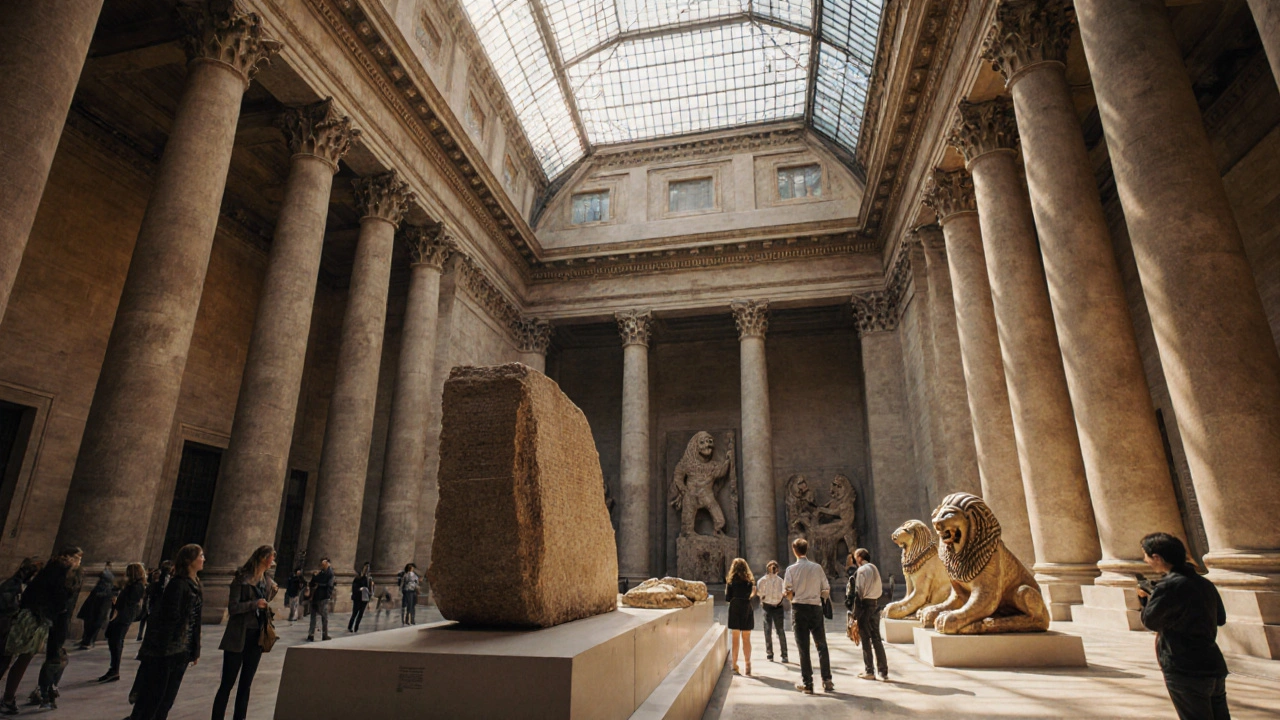
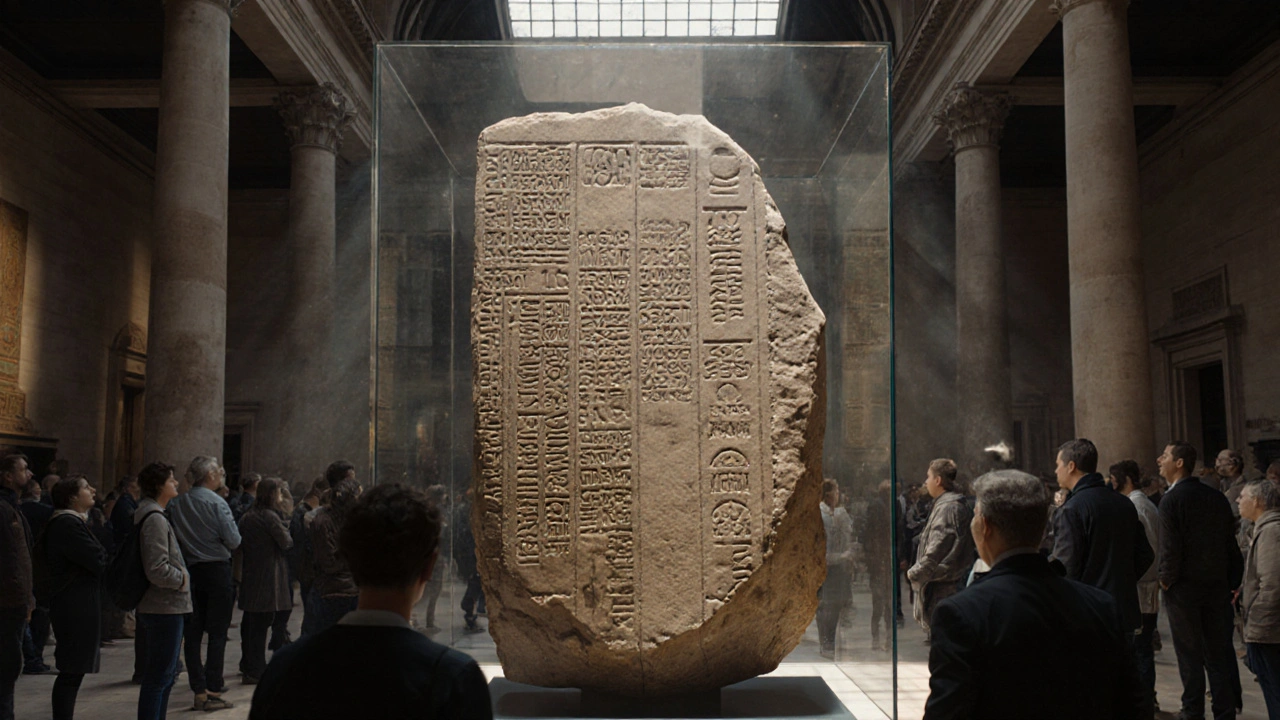
When you think of British Museum, the world’s first national public museum, founded in 1753, housing over eight million objects from human history. Also known as the Museum of Mankind, it’s not just a building—it’s a time machine you can walk through without buying a ticket. Unlike most major museums around the world, entry to the British Museum is completely free. No reservation. No hidden fee. Just walk in and stand face-to-face with the Rosetta Stone, the Elgin Marbles, or a 3,000-year-old Egyptian mummy—all under one roof.
The Rosetta Stone, the key that cracked ancient Egyptian hieroglyphs, discovered in 1799 and brought to London in 1802 draws crowds, but skip the rush by going on a weekday morning. The real magic happens in the quieter galleries: the Assyrian lion hunt reliefs, the Benin Bronzes, the Sutton Hoo helmet. These aren’t just displays—they’re stories of empires, trade, war, and daily life from places you’ll never visit, but can still touch with your eyes.
The Parthenon sculptures, carved in 447 BC and removed from Athens in the early 1800s, now housed in Room 18 sit in the same spot they’ve occupied for decades, sparking debates that still echo today. You don’t need to be a scholar to feel the weight of them. And if you’re looking for something lighter, the museum’s family-friendly galleries—like the Hands-On History zone—let kids touch replicas, solve ancient puzzles, and even try on Roman armor.
There’s no single way to experience the British Museum. Some come for the big names. Others wander for hours in the Egyptian mummy rooms, drawn to the quiet stillness. Locals use it as a lunch break escape—grab a sandwich from the café, sit by the Great Court’s glass roof, and watch the light shift over the world’s oldest artifacts. It’s not just a museum. It’s a living archive where every corner holds a secret, and no one’s stopping you from finding it.
What you’ll find below are real tips from people who’ve spent days here—not just passing through. How to avoid the crowds, where the best photo spots are (without the selfie sticks), which free guided walks actually add value, and why the museum’s coffee shop is better than most in central London. Whether you’re here for the history, the art, or just a quiet place to think, these posts show you how to make the most of it—without paying a penny.