How to Use Cash vs Card in London to Avoid Fees
Learn how to pay in London with cash or card to avoid hidden fees. Discover which ATMs to use, how to avoid Dynamic Currency Conversion, and the best cards for travelers in 2025.
When you’re navigating London, the question isn’t just cash vs card—it’s cash, physical money used for small, immediate purchases versus contactless payment, a fast, card-based method using taps or mobile wallets. Most locals use contactless for everything from the Tube to coffee, but cash still has its place—especially at street markets, small bakeries, and some independent pubs. You don’t need to carry wads of notes, but skipping cash entirely might leave you stuck when a vendor doesn’t take cards.
London’s transport system pushed contactless into the mainstream years ago. Tapping your card or phone on the Tube, bus, or Overground is faster than fumbling for coins. TfL even lets you claim refunds if you’re overcharged—something you can’t do with cash. But here’s the catch: not every small business has a card reader. In places like Spitalfields Market or Bermondsey Street, vendors often prefer cash because card fees eat into thin margins. And if you’re buying a sandwich from a corner shop in Peckham or grabbing a pint at a historic pub in Shoreditch, the owner might not even have the option. That’s why many Londoners keep a few fivers in their pocket—not because they’re old-fashioned, but because it’s practical.
Then there’s the Oyster card, a rechargeable smart card for London public transport. It’s still used by some, especially tourists who want a simple, prepaid option. But for most, the Oyster card has been replaced by contactless bank cards or Apple Pay. The system works the same way—capped daily fares, same discounts—but you don’t need to buy or top up a separate card. Still, if you’re on a tight budget or traveling with kids, the Oyster card’s daily cap can be easier to track than multiple card transactions.
What about security? Contactless cards have limits—usually £100 per tap—which helps reduce fraud. But if your card gets stolen, you’ll need to cancel it and wait for a replacement. Cash? Lost cash is gone for good. That’s why many people split their spending: use contactless for daily transport and groceries, keep a small amount of cash for emergencies or places that don’t take cards. It’s not about being old-school or tech-obsessed—it’s about adapting to how London actually works.
And don’t forget the hidden costs. Some places add a small fee for card payments, especially if you’re using a foreign card. ATMs in tourist zones often charge high withdrawal fees. So if you’re relying on cash, it’s smarter to withdraw a larger amount once from a bank ATM than to keep pulling small sums from a convenience store machine.
What you’ll find in the posts below isn’t just a list of places that take cash or card. It’s a real look at how Londoners pay—whether they’re buying dim sum in Chinatown, shopping for vintage books in Southbank, or catching a show in the West End. You’ll see where cash still rules, where contactless is the only option, and how to avoid getting caught out. No fluff. Just what you need to move through the city without stress.
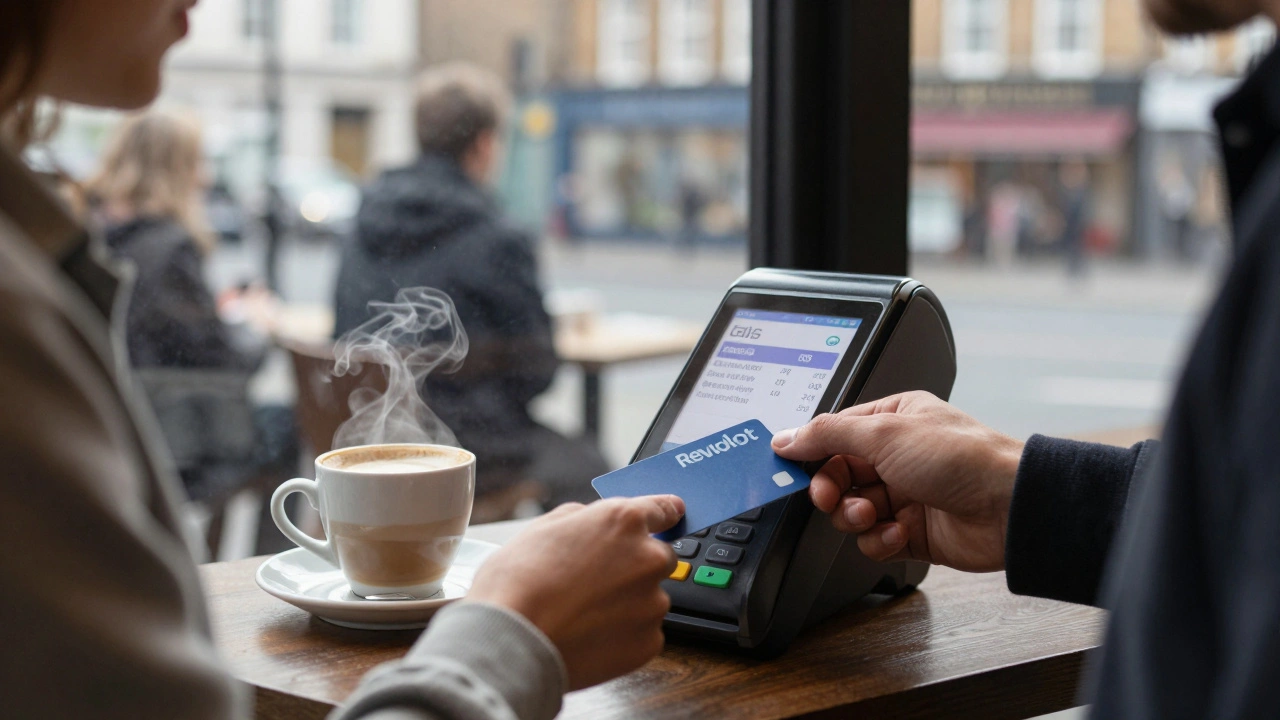
Learn how to pay in London with cash or card to avoid hidden fees. Discover which ATMs to use, how to avoid Dynamic Currency Conversion, and the best cards for travelers in 2025.