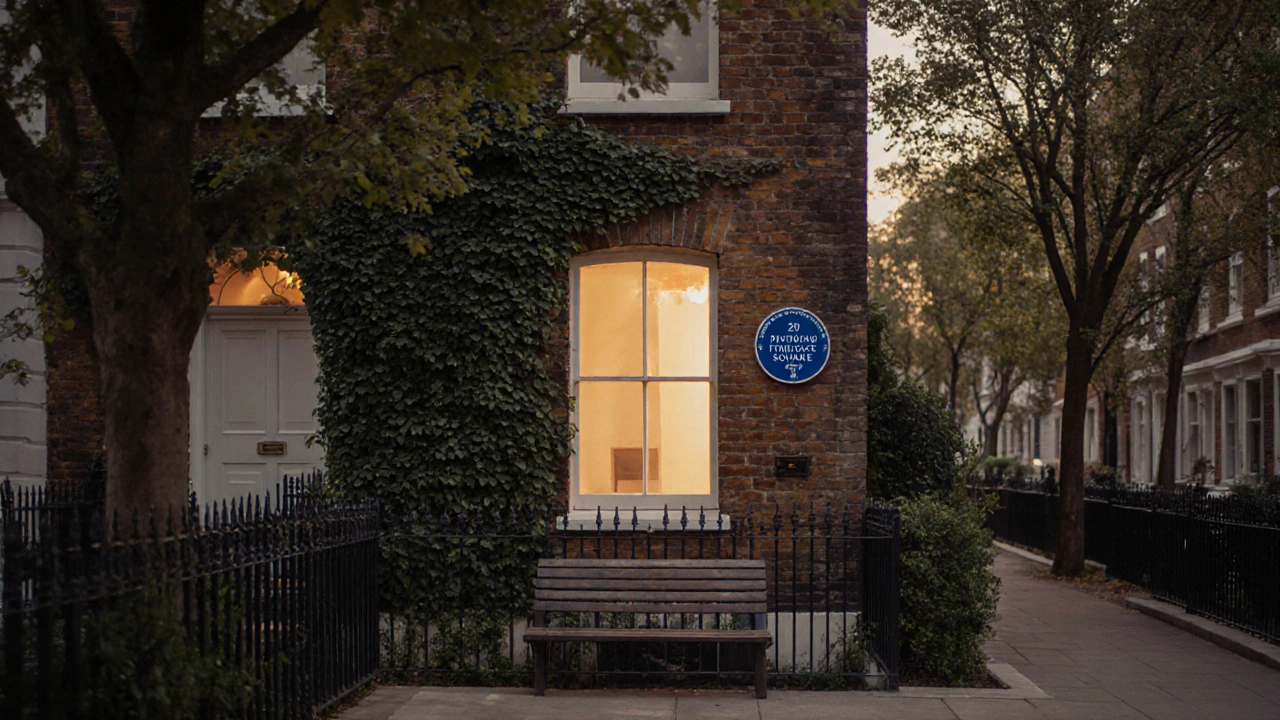
Shaw Birthplace: Explore George Bernard Shaw's Roots in London
When you think of Shaw birthplace, the modest house in Dublin where George Bernard Shaw was born in 1856. Also known as George Bernard Shaw’s childhood home, it’s often mistaken as the only place that shaped him—but his real transformation happened after he moved to London. Shaw didn’t become the sharp-tongued playwright and critic we know until he arrived in the city in 1876, broke and hungry, with nothing but a manuscript and a stubborn will. London didn’t just house him—it forged him. The streets, the debates, the theaters, the poverty, the intellectual circles—he soaked it all up and turned it into biting satire, social commentary, and unforgettable dialogue.
His time in London connects directly to the city’s literary and cultural fabric. You’ll find traces of him in the same places where today’s writers, activists, and theater lovers still gather. The London literary history, the tradition of writers using the city as both canvas and critic runs deep, and Shaw was one of its loudest voices. He didn’t write about distant kings or mythical heroes—he wrote about the clerk, the servant, the suffragette, the socialist. His plays like Pygmalion and Major Barbara were born from watching Londoners argue over tea, rent, and justice in back rooms and public halls. And while his birthplace is in Dublin, his legacy is pinned to London’s theaters, libraries, and protest corners.
The Shaw museum, the preserved home in Dublin that now serves as a tribute to his early life tells one part of the story. But to really understand Shaw, you need to walk the same paths he did in Bloomsbury, where he spent years reading in the British Museum’s library, or sit in a West End theater where his plays still draw packed houses. He didn’t just write about class—he lived it. He took on the establishment, won a Nobel Prize, and still showed up at socialist meetings in working-class pubs. His London wasn’t glamorous. It was loud, messy, and full of people fighting for something better.
That’s why the posts here aren’t just about tourist spots. They’re about the real, lived-in London that shaped Shaw—and still shapes the people who walk its streets today. Whether you’re hunting for rare books in Spitalfields, debating art at the National Portrait Gallery, or grabbing a vegan bite after a late-night play, you’re walking in the footsteps of a man who believed art should shake the world. This collection doesn’t just list places. It shows you the city that turned a struggling Irishman into one of its most enduring voices.