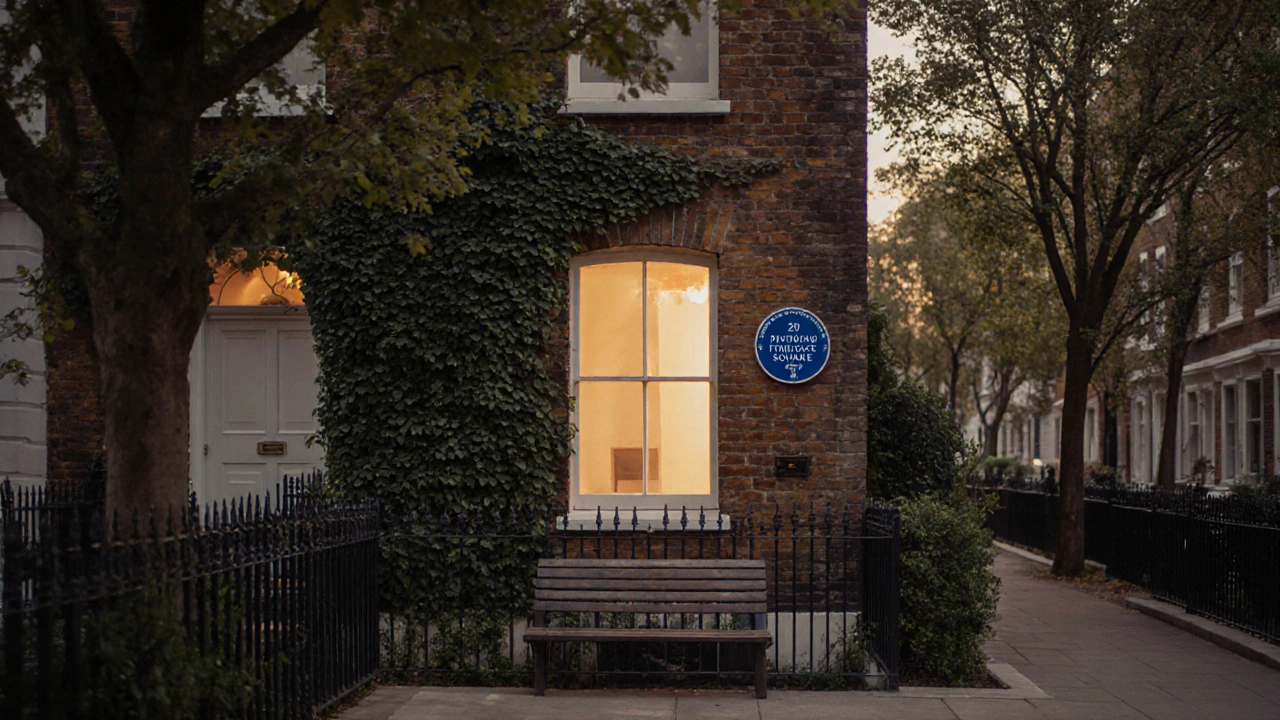
Shaw Playhouses: Where London’s Theatres Bring George Bernard Shaw to Life
When you think of Shaw playhouses, theaters in London that regularly stage the works of playwright George Bernard Shaw. Also known as Shaw theatres, these venues are where wit, social critique, and unforgettable dialogue come alive on stage. Shaw didn’t just write plays—he built arguments out of dialogue, and London’s stages have been his most loyal audience for over a century. These aren’t just old buildings with velvet seats; they’re living spaces where his ideas about class, gender, and power still get shouted, debated, and sometimes laughed at by packed houses.
Shaw playhouses aren’t limited to one type of venue. You’ll find his work in grand, historic West End theatres like the Royal Court Theatre, a landmark for modern British drama since 1888, known for bold new writing and revival classics, and in smaller, experimental spaces like the Finborough Theatre, a tiny but powerful venue in Earl’s Court that resurrects forgotten plays with precision and passion. Some of his most famous plays—Pygmalion, Man and Superman, Saint Joan—get revived every few years, each time finding new meaning. Why? Because Shaw wrote about people, not periods. His characters argue over money, morality, and marriage, just like we do today.
What makes a Shaw playhouse different from any other theatre? It’s the tone. His plays don’t end with a hug or a tear. They end with a question. And London audiences love that. You won’t find empty seats after a Shaw show—you’ll find people arguing in the foyer about whether Eliza Doolittle made the right choice, or if Colonel Pickering was really the hero. That’s the magic. The best Shaw playhouses don’t just host performances; they create conversations. And those conversations keep his work alive, long after the curtain falls.
Looking through the posts here, you’ll see how deeply Shaw’s world connects to London’s theatre culture. From theatre seating maps that help you pick the best view for his sharp dialogue, to late-night dining spots where audiences gather after a night of Arms and the Man, to book markets where you can still find first editions of his essays—it’s all part of the same ecosystem. Shaw didn’t write for the past. He wrote for the next person who walks into a London theatre and wonders, Why are we still arguing about this? These playhouses are where that question still echoes.