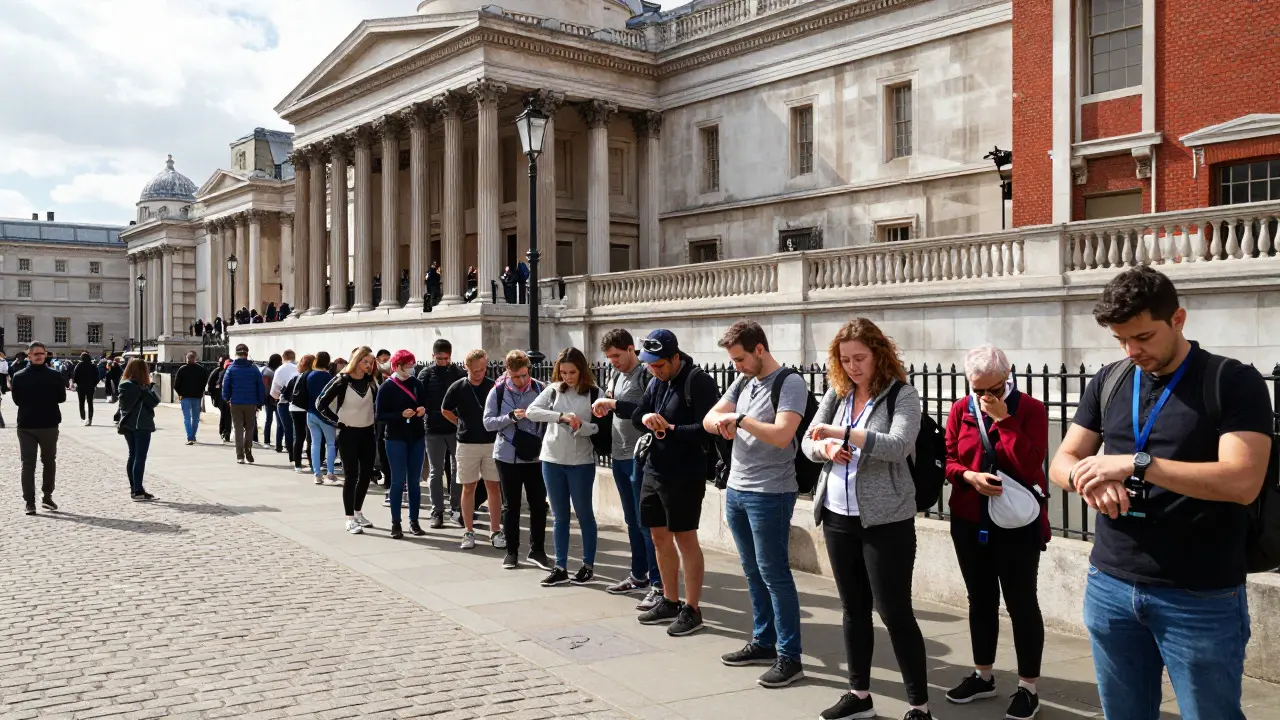
Standing in a 40-minute queue for the National Gallery on a Saturday morning is not the most efficient way to start your day. Yet, many visitors still end up there because they assumed all major London art institutions are open-access. The reality is more nuanced. While some of the city's biggest cultural landmarks remain free to enter, others have shifted to paid admission or timed-entry systems to manage crowd flow and fund conservation efforts.
Understanding the difference between ticketed and free venues saves you time, money, and frustration. It also helps you plan a realistic itinerary that balances high-demand hotspots with quieter, less crowded alternatives. This guide breaks down which places require pre-booking, which are truly walk-in friendly, and how to navigate the gray areas where policies change frequently.
The Core Distinction: Admission Fees vs. Timed Entry
First, let’s clarify a common misconception. "Free" does not always mean "no planning required." In London, two distinct models exist:
- Free General Admission: You pay nothing to enter the main permanent collections. However, popular temporary exhibitions often cost extra. Examples include the British Museum and the Tate Modern.
- Timed Entry (Free or Paid): Even if admission is free, you must reserve a specific entry slot online. This is common during peak seasons or for high-profile temporary shows. The National Gallery uses this model for its main collection during busy periods.
Confusing these two models leads to missed entries. If a venue requires timed entry and you show up without a reservation, you might be turned away or forced to wait for the next available slot, which could be hours later.
Major Venues Requiring Advance Booking
Some institutions have moved fully to paid or strictly reserved systems. Here are the key players you need to know about:
| Venue | General Admission | Booking Requirement | Typical Peak Wait Time |
|---|---|---|---|
| The National Gallery | Free (Timed Entry) | Mandatory online reservation | 30-60 mins if no slot |
| British Museum | Free (Walk-in) | Recommended for special events | 15-30 mins at security |
| Tate Modern | Free (Walk-in) | Rarely needed | 10-20 mins |
| V&A Museum | Free (Walk-in) | Not required | 10-15 mins |
| Serpentine Gallery | Free (Walk-in) | Not required | 5-10 mins |
The National Gallery is the prime example of why booking matters. Since implementing timed entry, they release slots in batches. If you want to visit on a Friday afternoon, you should book at least one week in advance. For weekend visits, two weeks out is safer. Failure to secure a slot means relying on last-minute cancellations, which are unpredictable.
In contrast, the British Museum remains largely walk-in friendly for its permanent collections. However, if you’re visiting during a major temporary exhibition like an ancient Egypt display or a Renaissance showcase, check their website. These special exhibits often sell out weeks ahead, even though the general building access is free.
When Walk-In Access Still Works
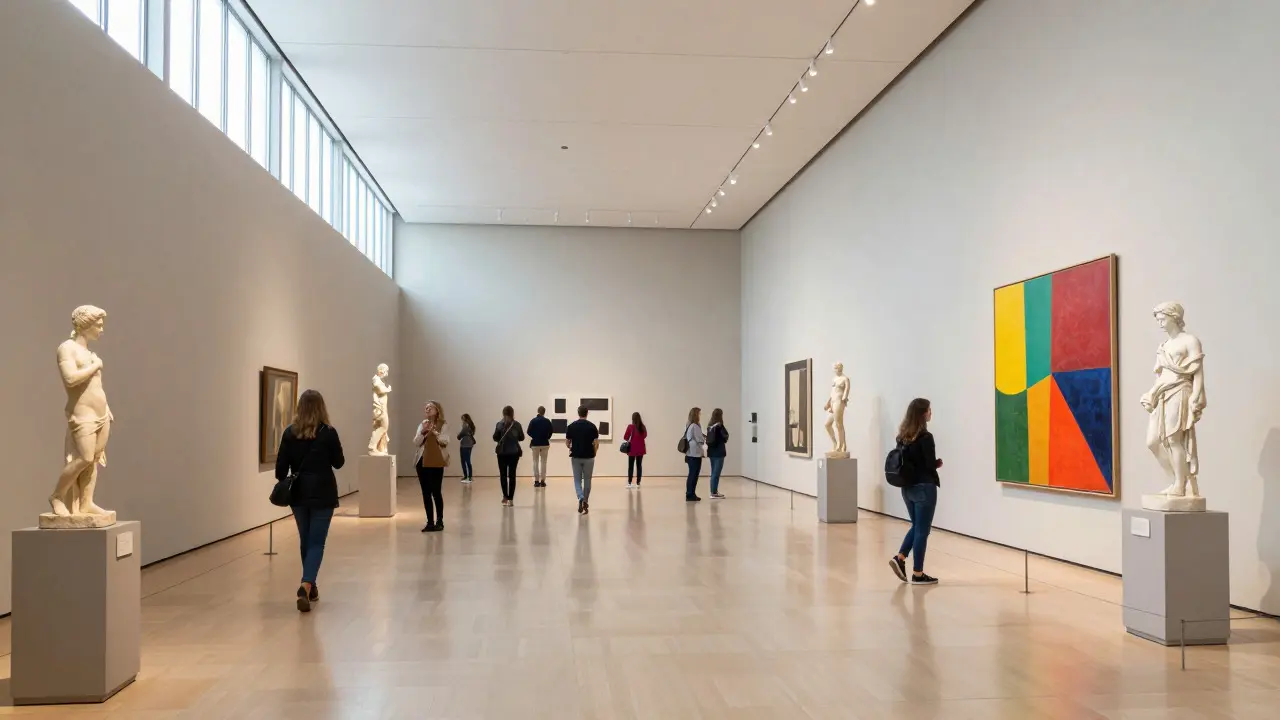
Not every institution needs a digital reservation. Several major museums maintain open-door policies for their core collections. This flexibility is useful if your plans change or if you prefer spontaneous exploration.
The Tate Modern is excellent for this. Located in Bankside, it offers vast modern and contemporary art spaces. On weekdays, especially mornings, you can walk straight in. Weekends get busier, but rarely to the point of long queues unless a blockbuster show is running. The V&A Museum in South Kensington follows a similar pattern. Its design and decorative arts collections are spread across multiple floors, so even if the entrance is busy, you can usually find space inside quickly.
Smaller galleries like the Serpentine Gallery and the Whitechapel Gallery also operate on a walk-in basis. These venues are ideal for a quick stopover between other activities. They offer curated, contemporary experiences without the logistical overhead of large national institutions.
Strategies for Securing Tickets
If you’re targeting ticketed or timed-entry venues, timing is everything. Here’s how to maximize your chances:
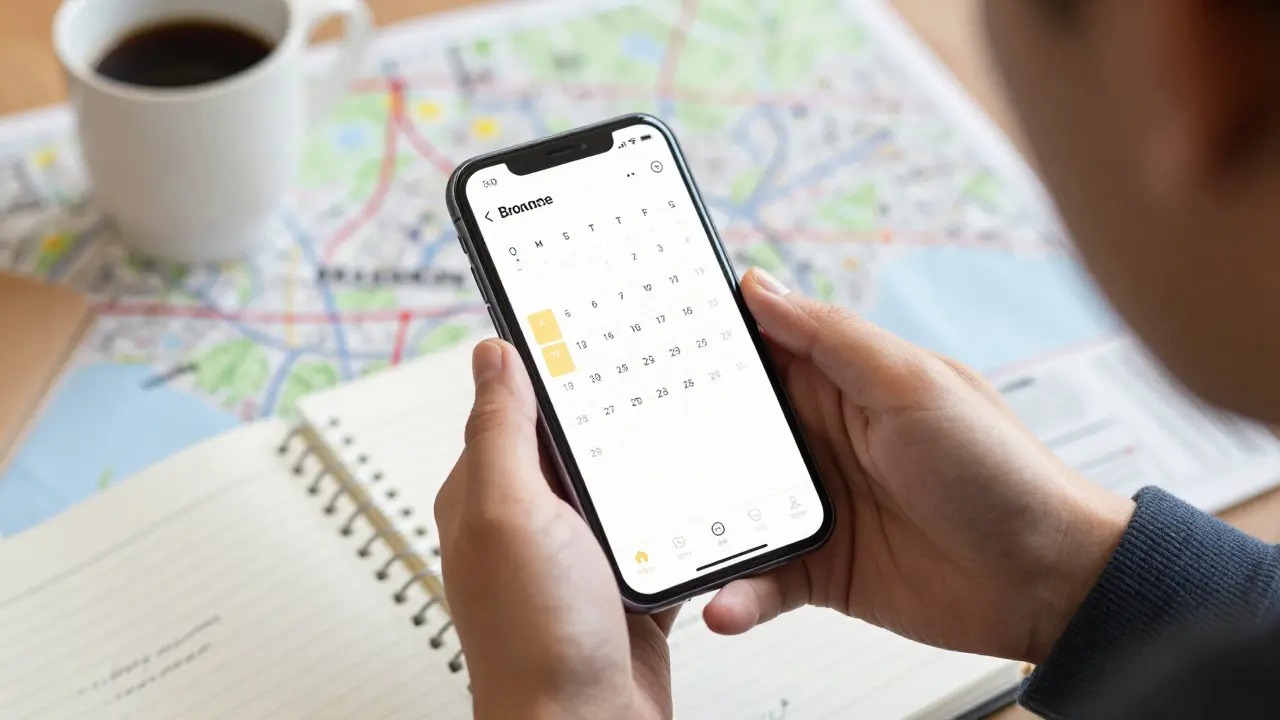
- Check Release Dates: Most museums release tickets 4-8 weeks in advance. Set a calendar reminder for the exact date and time slots go live.
- Book Early Mornings or Late Afternoons: These times are less competitive. A 9:00 AM slot at the National Gallery is far easier to secure than a 12:00 PM slot.
- Monitor Cancellations: Use email alerts from official websites. Last-minute cancellations happen daily, especially for popular dates.
- Consider Off-Peak Days: Tuesdays and Wednesdays see significantly lower foot traffic. If your schedule allows, shift your visit to these days to avoid booking stress entirely.
Pro tip: Some venues offer "pay what you wish" options for non-residents. While not guaranteed, it can reduce the financial barrier if you miss out on a free slot. Always read the fine print, as these policies vary by institution.
Hidden Costs and Extra Fees
Even when general admission is free, watch out for additional charges. Audio guides, docent-led tours, and special workshops often cost £5-£15 per person. These are optional but can enhance your experience. For families, child-friendly tours may be discounted or free, but you still need to reserve them separately.
Also, consider parking and transport costs. Central London locations like the National Gallery and British Museum are best accessed via public transport. Driving into the city center incurs Congestion Charge and expensive parking fees, which can negate the savings from free admission.
Common Pitfalls to Avoid
Many visitors make the same mistakes repeatedly. Avoid these traps:
- Assuming All Free Museums Are Open 24/7: Most close at 5:00 PM or 6:00 PM. Check opening hours carefully, especially on Mondays when some venues are closed.
- Ignoring Security Checks: Large bags may require checking. Arrive early enough to clear security without rushing.
- Overlooking Temporary Exhibitions: Just because the main gallery is free doesn’t mean the highlight show is. Read exhibit descriptions before visiting.
- Forgetting About Dress Codes: While rare, some private galleries or special events may have casual dress expectations. When in doubt, smart-casual is safe.
Planning Your Visit: A Practical Approach
To create a smooth itinerary, group venues by location and access type. For example, combine the British Museum and Natural History Museum in South Kensington, both of which are generally walk-in friendly. Pair the National Gallery with St. Martin’s Lane area cafes, and book your National Gallery slot for mid-morning to allow time for lunch nearby.
If you’re visiting during peak season (June-August), expect higher demand. Book all timed-entry venues at least three weeks in advance. For off-peak months (November-February), you can often book one week out or even same-day, depending on availability.
Finally, keep a backup plan. If a preferred venue is fully booked, look for nearby alternatives. The Courtyard Gallery near the National Gallery or the Royal Academy of Arts (which has mixed pricing) can serve as good substitutes.
Do I need to book tickets for the British Museum?
Generally, no. The British Museum offers free general admission with walk-in access. However, if you want to attend a specific temporary exhibition or guided tour, those may require separate booking. Check their website for any special events during your visit dates.
How far in advance should I book the National Gallery?
For weekday visits, booking 1-2 weeks in advance is usually sufficient. For weekends or holidays, aim for 2-4 weeks ahead. Slots can fill up quickly, especially during summer months, so earlier is better.
Are Tate Modern tickets free?
Yes, general admission to Tate Modern is free. No advance booking is typically required for the main collection. However, special exhibitions or events may charge fees or require reservations. Always verify current policies on their official site.
What happens if I arrive at a timed-entry museum without a reservation?
You may be asked to wait for the next available slot, which could be several hours later. Some venues allow same-day entry if capacity permits, but this is not guaranteed. To avoid disappointment, always secure a reservation beforehand.
Is the V&A Museum free to enter?
Yes, the Victoria and Albert Museum (V&A) offers free general admission. No booking is required for the permanent collections. Temporary exhibitions may have separate entry fees, so check the exhibition list before visiting.