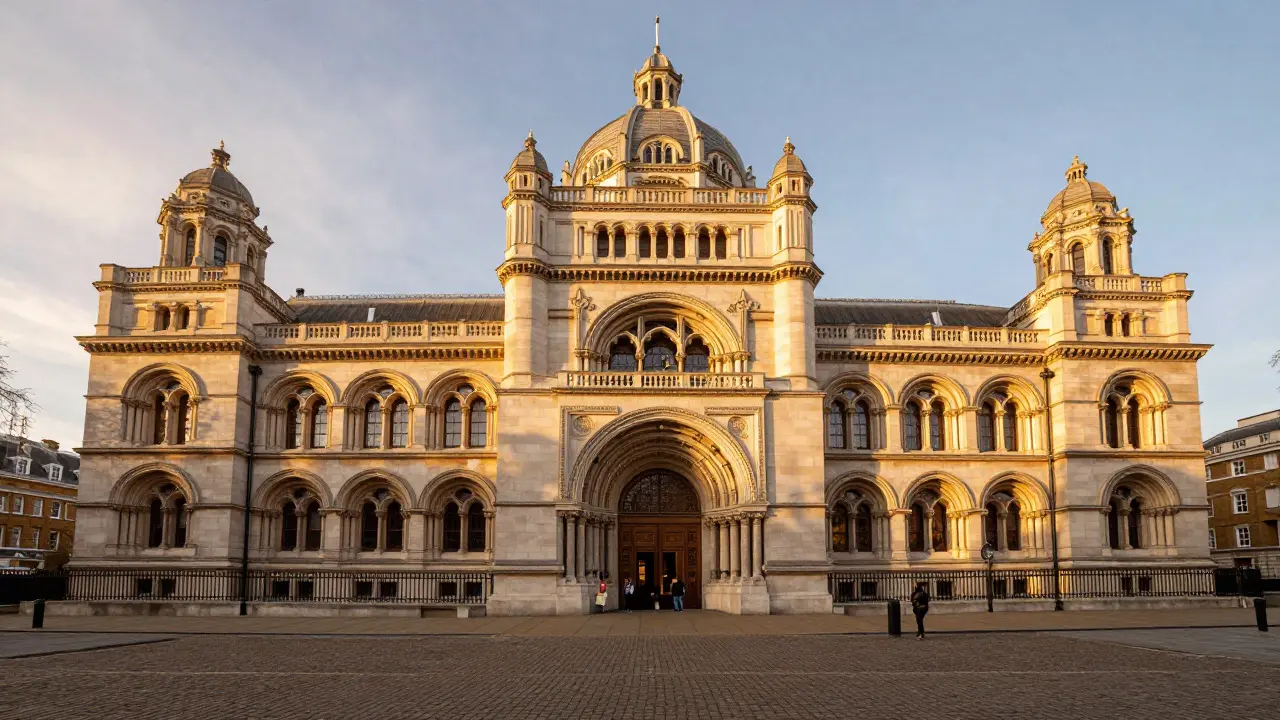
London isn't just a city; it's a global hub for creative thinking. If you walk down the streets of Kensington or Mayfair, you aren't just seeing buildings-you're walking through centuries of architecture and industrial evolution. But to truly understand how we got here, you need to step inside the institutions that preserve this history. The best places to do this are the dedicated design spaces that blend historical artifacts with contemporary innovation.
This guide breaks down the essential stops for anyone interested in the built environment and product design. We’re not just listing addresses; we’re looking at what makes each collection unique, why certain exhibits matter, and how to make the most of your visit without getting overwhelmed by the sheer volume of creativity on display.
The Big Three: Where to Start Your Journey
When people think about design in London, three names usually come up first. These institutions form the backbone of the city’s cultural offering regarding aesthetics and function.
The Victoria and Albert Museum (V&A)
The Victoria and Albert Museum is the world's largest museum of decorative arts and design, housing over 2.3 million objects. Located in South Kensington, the V&A is massive. It covers everything from medieval armor to modern digital art. For architecture enthusiasts, the galleries on furniture, textiles, and ceramics are gold mines. You can trace the evolution of materials-from oak to steel to plastic-and see exactly how those shifts changed how people lived. The scale is intimidating, so focus on one wing per visit. The Ceramics and Glass gallery, for example, shows how industrialization moved production from artisan workshops to factories, a key turning point in design history.
The Design Museum
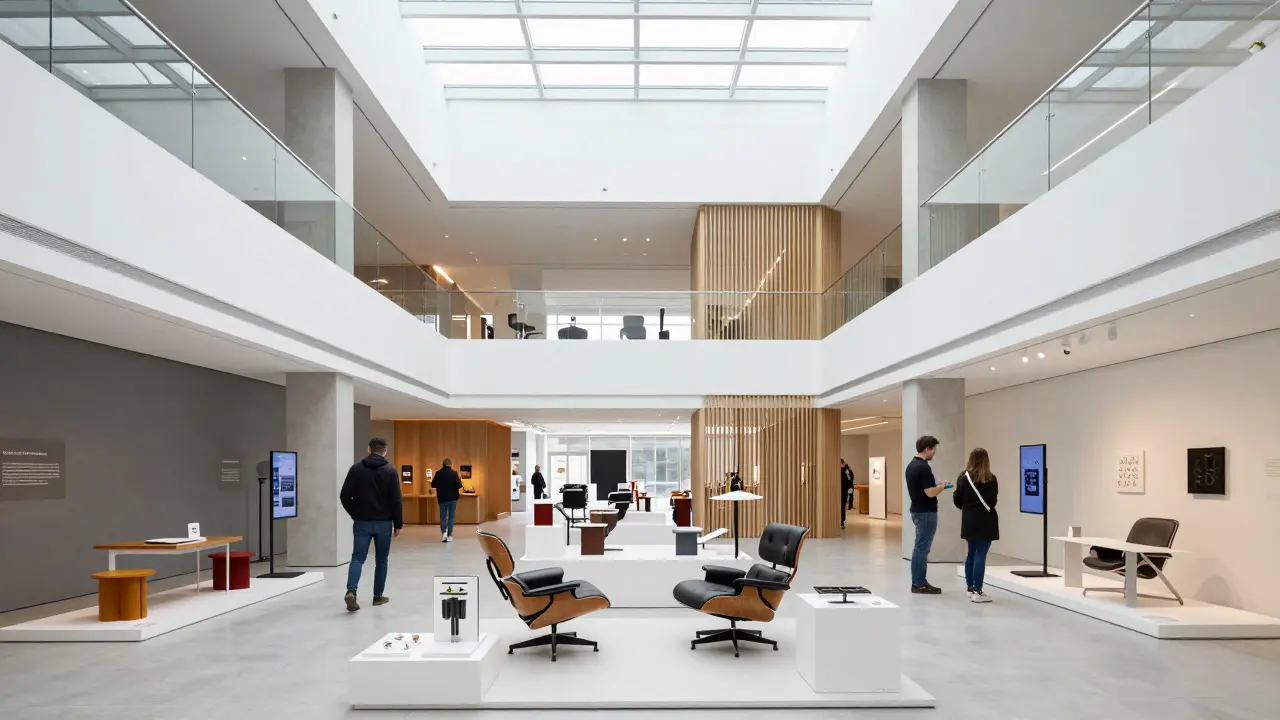
The Design Museum is a specialist museum located in Kensington that explores the role of design in our daily lives. Unlike the V&A, which has a broad historical scope, the Design Museum is laser-focused on the present and near-past. It sits in the former Wellcome Building, an architectural gem in its own right. The permanent collection includes iconic pieces like the Eames Lounge Chair and the Apple iPhone. What sets this place apart is its approachability. They don’t just put objects behind glass; they explain *why* they matter. If you want to understand user experience, sustainability, or the psychology of color, this is your primary stop. The exhibitions often feature interactive elements that let you test prototypes or visualize data, making complex concepts tangible.
Barbican Centre
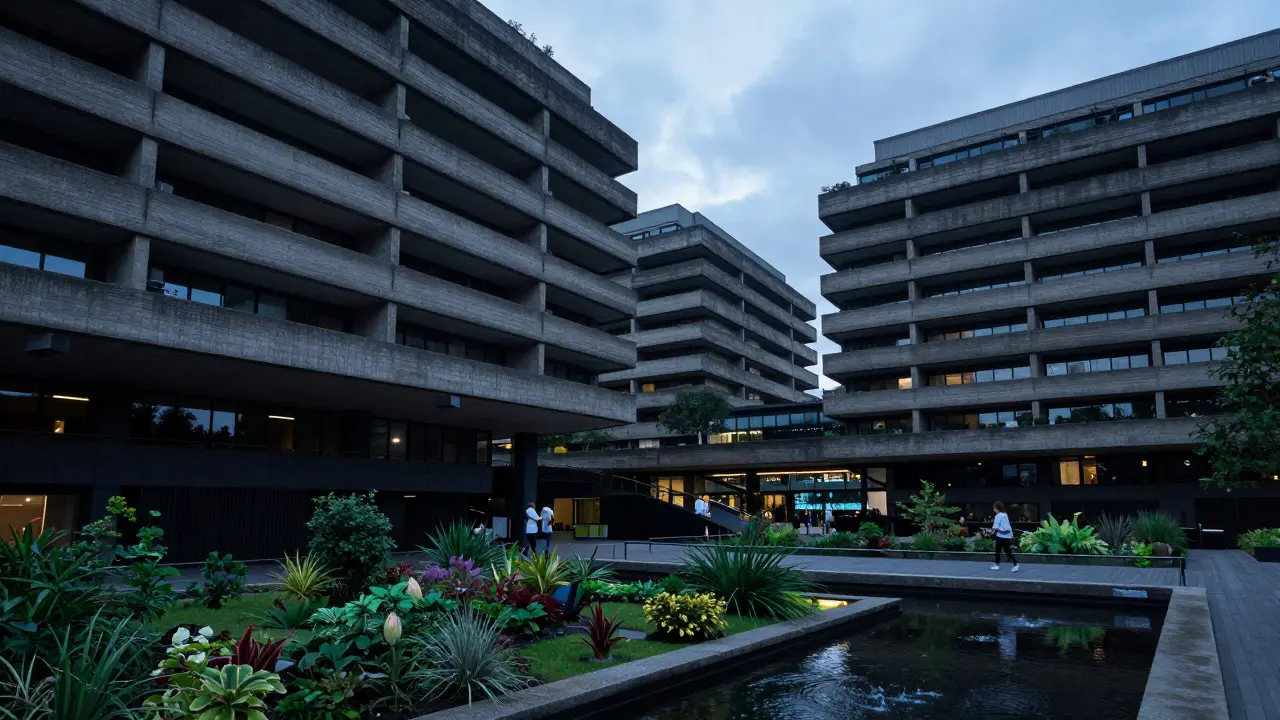
Barbican Centre is a major arts center in the City of London, famous for its brutalist architecture and diverse program of events. While primarily known for performing arts, the Barbican is a living lesson in mid-century modernism. Built in the 1970s, it was a controversial structure when completed but is now celebrated as a masterpiece of concrete engineering. Visiting the Barbican is less about static displays and more about experiencing architecture in use. The library, the concert halls, and the public gardens all demonstrate how Brutalism can create community spaces rather than cold monoliths. It’s a perfect counterpoint to the polished interiors found in other museums.
Beyond the Obvious: Hidden Gems and Specialist Collections
If you’ve already seen the big three, or if you want a more niche perspective, London has several smaller venues that offer deep dives into specific aspects of design.
The Royal Academy of Arts
Often associated with fine art, the Royal Academy of Arts is an independent charitable organization based in Burlington House, London, promoting the visual arts. However, their exhibition space regularly hosts large-scale installations that blur the line between art and architecture. The Summer Exhibition is a must-see, but look out for temporary shows that explore spatial design and installation art. The building itself, Burlington House, is a classic example of Palladian architecture, providing a historical backdrop to contemporary works.
Design Center London
Situated in the heart of Mayfair, Design Center London is a leading destination for interior design, showcasing the latest trends in furniture, lighting, and home decor. This isn’t a traditional museum with free admission. It’s a curated showroom where brands display their newest collections. It’s ideal for professionals or homeowners looking for inspiration. The layout changes seasonally, so every visit feels fresh. You can touch fabrics, sit on sofas, and see lighting fixtures in action. It bridges the gap between theoretical design and practical application in domestic spaces.
Covent Garden Market Area
Don’t overlook the street level. The area around Covent Garden and Seven Dials is rife with pop-up design stores and vintage shops. While not a single institution, this cluster acts as an open-air museum of retail design. You’ll find everything from restored Victorian furniture to cutting-edge tech gadgets. It’s a chaotic, vibrant snapshot of current consumer tastes and commercial design strategies.
Comparing the Major Institutions
To help you decide where to spend your time, here is a breakdown of the core attributes of the main design-focused venues in London.
| Institution | Primary Focus | Admission Policy | Best For | Location |
|---|---|---|---|---|
| V&A Museum | Decorative arts, history, broad spectrum | Free general entry | Historical context, material studies | South Kensington |
| Design Museum | Contemporary design, UX, sustainability | Free general entry | Modern products, interactive exhibits | Kensington |
| Barbican Centre | Brutalist architecture, performing arts | Pay per event/exhibit | Architectural experience, live culture | Clerkenwell |
| Royal Academy | Visual arts, installation, history | Pay per exhibit | Large-scale installations, classical architecture | Trafalgar Square |
| Design Center London | Interior design, retail, trends | Free entry | Shopping, professional networking | Mayfair |
Practical Tips for Visiting Design Spaces
Visiting multiple design-heavy locations in one day can be exhausting. Here’s how to manage your energy and maximize your learning.
- Check Opening Hours: The V&A and Design Museum typically close around 5:00 PM, but some galleries stay open later on Fridays. Always verify before you go, especially if you plan to stay for evening events.
- Book Tickets in Advance: While general entry is often free, special exhibitions at the Royal Academy or specific talks at the Design Museum require pre-booking. Popular slots sell out weeks in advance.
- Focus on One Theme: Don’t try to see everything. Pick a theme-like “The History of Steel” or “Sustainable Materials”-and follow that thread across different museums. You might start with steel structures at the V&A, move to steel furniture at the Design Museum, and end with steel-framed buildings at the Barbican.
- Use the Audio Guides: Even if you think you know the basics, audio guides provide context that labels miss. At the V&A, the app-based guides are particularly good for linking objects to broader historical movements.
- Visit Cafés and Shops: The design extends to the amenities. The café at the Design Museum uses sustainable packaging and locally sourced food, reflecting the museum’s ethos. The V&A shop offers high-quality replicas of historic patterns, which are great gifts or study tools.
Why Architecture Matters in Design Collections
You might wonder why a chair is displayed next to a blueprint. In design theory, product design and architecture are deeply linked. Both disciplines solve problems related to human movement, comfort, and space. When you look at a collection of 20th-century chairs, you’re also looking at a history of how indoor spaces were redefined. The shift from ornate Victorian rooms to minimalist modernist apartments required new types of furniture. Conversely, the rise of open-plan offices influenced the development of modular workstations.
Understanding this connection helps you appreciate the narrative arc of these museums. They aren’t just storing pretty things; they’re documenting the relationship between how we build our homes and workplaces and how we furnish them. This interplay is visible in the transition from heavy wood to lightweight plastics, and now to smart, adaptive materials. As technology advances, expect these collections to evolve to include digital twins, virtual reality interfaces, and AI-driven design processes.
Frequently Asked Questions
Is entry to the V&A Museum really free?
Yes, general admission to the V&A Museum is free. However, there may be small fees for specific temporary exhibitions or guided tours. It is always recommended to check their official website for any changes to pricing policies before visiting.
Which museum is better for beginners: The Design Museum or the V&A?
For absolute beginners, the Design Museum is often more accessible because its collections are smaller and focused on recent history. The V&A is vast and can be overwhelming. If you have limited time, start with the Design Museum to get a feel for modern principles, then explore the V&A for deeper historical context.
Can I take photos in these museums?
Generally, yes. Most museums allow photography without flash for personal use. Tripods and professional equipment usually require a permit. Check the specific rules for each venue, as some temporary exhibitions may restrict photography to protect artists' rights.
Are there any design-related events outside of standard museum hours?
Yes. The Design Museum frequently hosts late-night openings, lectures, and workshops in the evenings. The Barbican Centre runs a full schedule of film screenings, concerts, and theater productions that showcase architectural spaces in use. Keep an eye on their event calendars for seasonal specials.
What is the best way to travel between these locations?
London’s tube system is the most efficient way to move between sites. South Kensington station serves both the V&A and the Design Museum. To get to the Barbican, take the Central Line to Angel or Bank stations. For the Royal Academy, Piccadilly Circus is the closest stop. A Travelcard or Oyster card will simplify your journey.