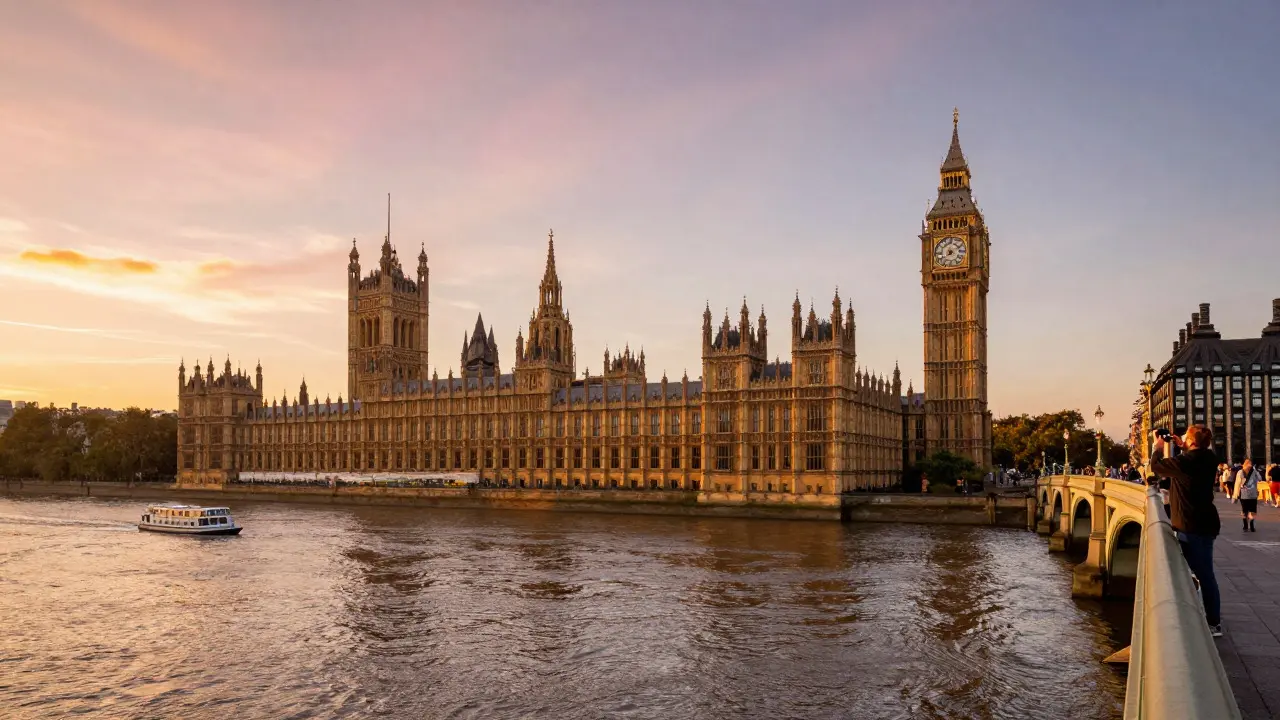
Imagine waking up to the sound of Big Ben’s chimes while standing just steps away from the Thames. That is the London you want to experience. But with so much to see, how do you fit it all into just 48 hours without feeling like you’re running on a hamster wheel? The secret isn’t trying to see everything; it’s about curating a route that balances the iconic historical landmarks with the city’s modern pulse. This guide gives you a realistic, walkable plan that maximizes your time and minimizes your stress.
We have structured this two-day itinerary to keep you in specific zones to avoid wasting hours on transport. Day one focuses on the heart of Westminster and South Bank, where history meets architecture. Day two shifts to the vibrant, contemporary energy of Shoreditch and the City of London. By following this flow, you will see the London itinerary highlights that define the city for both first-time visitors and returning locals.
Day One: The Heart of History and the River
Start your morning at Westminster Station. It is central, well-connected, and puts you right in the middle of the action. Your first stop should be the Palace of Westminster. You don’t need to go inside to appreciate its Gothic Revival beauty; the exterior alone is stunning. Take a moment to look up at the Victoria Tower. If you are there during parliamentary sessions, you might catch glimpses of the political machinery at work through the windows. This building is not just a backdrop; it is the seat of the UK Parliament and a symbol of British democracy.
Walk across Westminster Bridge toward the Elizabeth Tower, commonly known as Big Ben. While the tower itself is currently undergoing restoration, the clock face remains a focal point. From the bridge, you get the best photo angle of both the Houses of Parliament and the river. Don’t just snap a quick pic; stand there for a minute and watch the boats pass by. The rhythm of the city starts here.
| Attraction | Location Zone | Suggested Time | Key Feature |
|---|---|---|---|
| Palace of Westminster | Westminster | 1.5 hours | Gothic architecture, Parliament |
| Buckingham Palace | St James's | 1 hour | Changing of the Guard, Royal residence |
| Trafalgar Square | Charing Cross | 1 hour | Nelson's Column, public space |
| The Shard | Southwark | 1.5 hours | Panoramic views, modern glass |
After soaking in the atmosphere around Parliament, head north along Whitehall. This wide boulevard leads you directly to Buckingham Palace. If you are lucky, you might catch the Changing of the Guard ceremony. Even if you miss it, the palace grounds are impressive. The queue for the State Apartments can be long, so consider skipping the interior unless you have a deep interest in royal history. Instead, spend your time admiring the facade and the surrounding gardens. It’s a great spot to people-watch and feel the scale of the monarchy.
From the palace, walk through St James’s Park. It’s one of the oldest royal parks in London and offers a peaceful break from the crowds. You’ll likely see pelicans, ducks, and maybe even a few squirrels. The park provides a green corridor between the palace and Trafalgar Square. As you exit the park, you arrive at Trafalgar Square. Look up at Nelson’s Column, which commemorates Admiral Lord Nelson’s victory at the Battle of Trafalgar. The square is bustling with street performers, pigeons, and tourists. It’s a social hub where you can grab a coffee or a light lunch before heading to the National Gallery. The gallery is free to enter, and even if you only have an hour, the main halls house masterpieces by Van Gogh, Monet, and Turner. It’s a perfect blend of art and history.
In the late afternoon, cross the Millennium Bridge to the South Bank. This short walk takes you from the historic North Bank to the modern South Bank. Here, the vibe changes completely. You’ll see the Tate Modern, housed in a former power station. Its industrial brick exterior contrasts sharply with the sleek glass of the surrounding buildings. Even if you don’t go inside, the Turbine Hall is worth a peek for its large-scale installations. Afterward, stroll along the riverfront. The view back across the water to the City of London skyline is breathtaking. This is where the classic meets the modern, and it sets the stage for your evening.
Day Two: Modern Energy and Urban Exploration
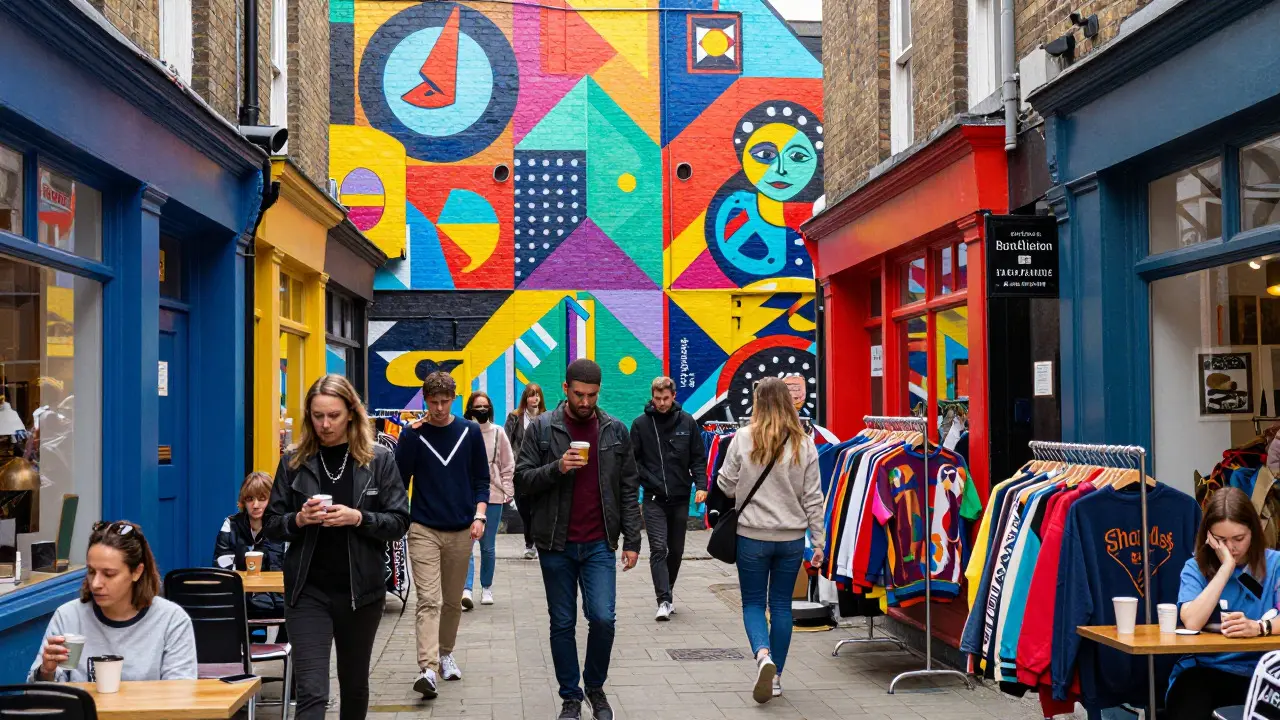
Day two starts with a shift in tone. We are moving away from the formal, historical center to the gritty, creative edges of London. Begin your day in Shoreditch. This neighborhood is famous for its street art, independent shops, and trendy cafes. Walk down Brick Lane, a narrow street filled with vintage clothing stores, food stalls, and colorful murals. The atmosphere here is informal and energetic. Grab a breakfast pastry or a flat white from one of the many independent coffee roasters. This is where London’s younger, creative side comes out to play.
From Shoreditch, take the Tube or a short walk to the City of London. This area is the financial heart of the country, but it also holds some of the city’s oldest secrets. Start at St Paul’s Cathedral. Designed by Sir Christopher Wren after the Great Fire of 1666, its dome is an architectural marvel. Climb the dome for a panoramic view that rivals The Shard but with a historical twist. The view stretches from the City to Westminster, giving you a full picture of the city’s layout. Inside, the cathedral is serene and grand, offering a quiet contrast to the busy streets outside.
Next, visit the Bank of England Museum or simply explore the streets around Monument Circle. The Monument itself is a 202-foot column built to commemorate the Great Fire. It’s a bit grim but historically significant. As you move further east, you’ll reach the Barbican Estate. This brutalist concrete complex is a landmark in its own right. It houses theaters, concert halls, and galleries. The architecture is polarizing-some love its bold lines, others find it cold-but it’s undeniably unique. Walk through the pedestrian bridges that connect the towers. It feels like walking through a sci-fi movie set. This is a great spot for photography and experiencing modern urban design.
For lunch, head to Borough Market. It’s one of London’s oldest markets, dating back to the 12th century. Today, it’s a food lover’s paradise. You’ll find fresh produce, artisan cheeses, seafood, and street food from around the world. It gets crowded, so go early if you can. Eat your way through the market, sampling different cuisines. It’s a sensory experience that captures the multicultural essence of London. After lunch, take a short walk to the Tate Modern again if you didn’t fully explore it yesterday, or head to the Southbank Center for a show or exhibition.
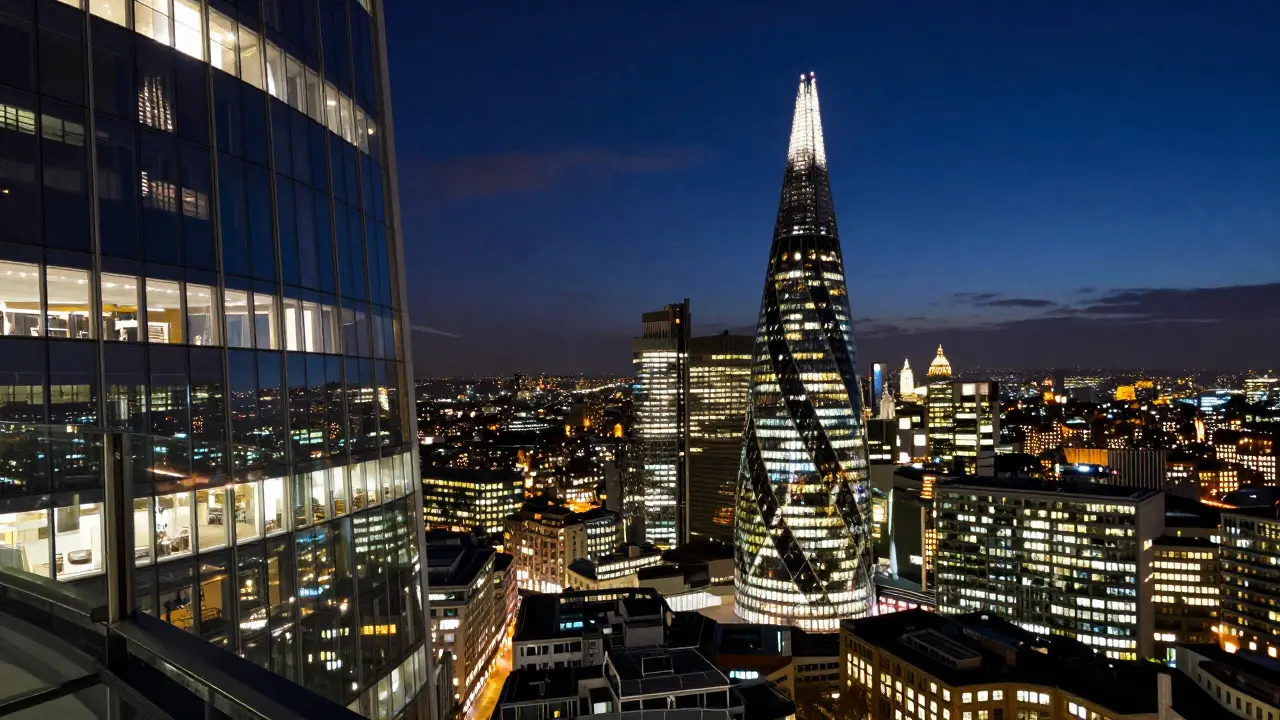
As the sun sets, make your way to The Shard. This 310-meter skyscraper is the tallest building in Western Europe. The observation deck offers 360-degree views of the city. At night, the lights of London create a glittering landscape that is hard to beat. It’s a fitting end to your second day, looking out over the city you’ve spent 48 hours exploring. Whether you choose to dine at one of the restaurants in the building or just enjoy the view from the top, The Shard represents the modern ambition of London.
Practical Tips for Your Two-Day Trip
To make the most of your itinerary, preparation is key. First, think about transportation. A contactless payment card (credit or debit) works on the Tube, buses, and Overground. You don’t need to buy a paper Oyster card anymore. Just tap in and out. This system caps your daily fare, so you won’t overspend even if you travel a lot. For longer distances, like getting from Shoreditch to the City, the Tube is faster than walking. Check the Tube map before you leave your hotel to identify the best lines. The Central Line is red and runs through the City, while the Jubilee Line is silver and connects Westminster to Shoreditch.
Weather in London can be unpredictable. Even in summer, rain showers can pop up without warning. Always carry a compact umbrella or a waterproof jacket. Layers are your friend. Mornings can be cool, while afternoons might be warm. Dress in layers so you can adjust throughout the day. Comfortable shoes are non-negotiable. You will walk more than 10,000 steps per day. Avoid new shoes or heels. Invest in good walking sneakers or boots.
Booking tickets in advance saves time and money. For popular attractions like The Shard, Tower Bridge, or any West End theater show, book online. Last-minute tickets can be expensive or sold out. For museums like the National Gallery or Tate Modern, entry is free, but timed entry slots may be required during peak seasons. Check their websites before you go. Also, consider a visitor pass if you plan to use the Tube extensively. While contactless is convenient, a pre-paid pass might offer better value for heavy users.
Food is another important aspect. London has options for every budget. Street food at Borough Market is affordable and delicious. Pubs often serve hearty meals at reasonable prices. For a splurge, there are countless fine dining restaurants, especially near The Shard and Covent Garden. Try to eat local specialties like fish and chips, pies, or bangers and mash. They are not just tourist traps; they are part of the cultural experience. Hydrate often. The air can be dry, especially if you are spending time indoors in museums or on the Tube.
Frequently Asked Questions
Is two days enough to see London?
Two days is tight but sufficient for a highlight tour. You will not see everything, but you will cover the major landmarks and get a feel for the city's diverse neighborhoods. If you have more time, add a day for Greenwich or the Royal Parks.
What is the best way to get around London?
The Tube (subway) is the fastest way to cross the city. Buses are great for short distances and seeing the streets. Walking is ideal within central zones. Use contactless payment for all public transport to simplify costs.
Do I need to book tickets in advance?
Yes, for paid attractions like The Shard, Tower Bridge, and West End shows. Free museums usually allow walk-ins, but timed entry may apply during busy periods. Booking ahead ensures you secure your slot and save money.
Which areas are safest for tourists?
Central London, including Westminster, Soho, Shoreditch, and the City, is generally safe. Stick to well-lit, busy streets at night. Keep an eye on your belongings in crowded places like the Tube and markets, as pickpocketing can occur.
What should I wear for a two-day trip?
Comfortable walking shoes are essential. Wear layers because the weather can change quickly. Bring a rain jacket or umbrella. Smart casual attire is appropriate for most days, but dress up slightly if you plan to visit upscale restaurants or theaters.