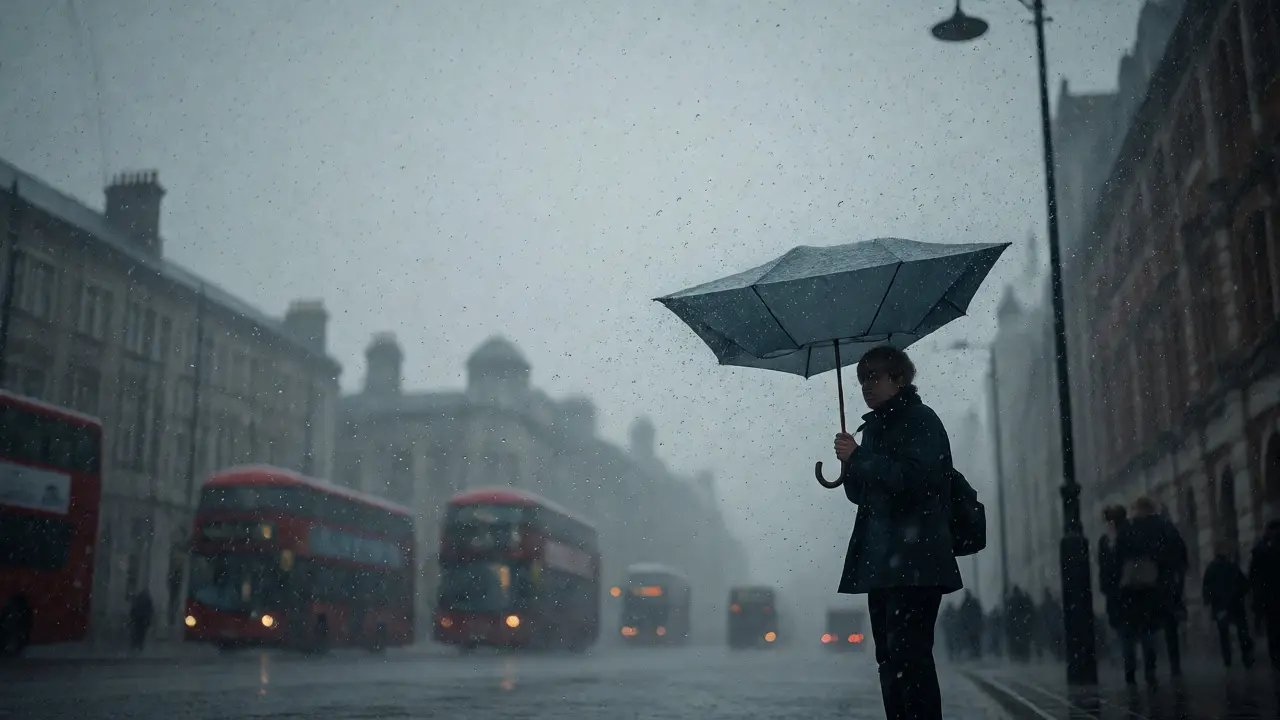
You’ve landed at Heathrow or St Pancras, stepped outside, and the sky looks like a wet grey blanket. It’s not pouring yet, but that misty drizzle is already soaking your shoulders. Do you buy a cheap plastic poncho from a newsagent? Unfold a flimsy brolly? Or dig into your bag for a proper jacket? Here’s the truth about London rain: it’s rarely just one thing. One minute you’re dodging sideways gusts on the Embankment, the next you’re walking through a steady sheet of water near King’s Cross. Choosing between an umbrella and a waterproof raincoat isn’t just about preference-it’s about physics, practicality, and not looking like a tourist who didn’t check the forecast.
The Reality of London Weather
Let’s clear up a myth: London doesn’t get more rain than Manchester or Cardiff. But it gets rain differently. The capital experiences frequent, low-intensity precipitation mixed with high winds. According to the Met Office, London sees rain on roughly 100 days a year, but many of those are light showers. The problem isn’t volume; it’s unpredictability. You might walk five minutes in sunshine, then spend ten minutes fighting a gale that turns your umbrella inside out. This variability is why relying on just one piece of gear often fails. A heavy downpour requires coverage, but a windy drizzle requires mobility. Understanding this split helps you pack smarter.
Why Umbrellas Often Fail in the City
We all love the idea of a classic British umbrella. It’s iconic. But in practice, they have three major flaws in London conditions. First, wind. London streets, especially narrow ones in Soho or Shoreditch, create wind tunnels. A standard £5 umbrella from a corner shop will invert within seconds of a strong gust. Even sturdy fiberglass-ribbed models struggle when the wind hits them broadside while you’re trying to navigate crowded pavements. Second, obstruction. Walking through Oxford Street or standing on a packed Tube platform with an open umbrella is a social hazard. You’re poking strangers, blocking views, and making yourself wider than necessary. Third, storage. When you enter a museum, cafe, or office, you now have a dripping object to manage. Most public places don’t provide stands, so you’re left holding a wet stick or stuffing it into a bag, ruining your dry clothes.
| Feature | Compact Umbrella | Lightweight Raincoat | Trench Coat |
|---|---|---|---|
| Wind Resistance | Low (inverts easily) | High (moves with body) | Medium (can flap) |
| Mobility | Restricted hands | Full freedom | Full freedom |
| Storage | Bulky when wet | Folds small | Heavy/Bulky |
| Best For | Calm, steady rain | Drizzle & Wind | Style + Light Rain |
| Price Range | £5-£40 | £30-£150 | £80-£300+ |
The Case for the Waterproof Jacket
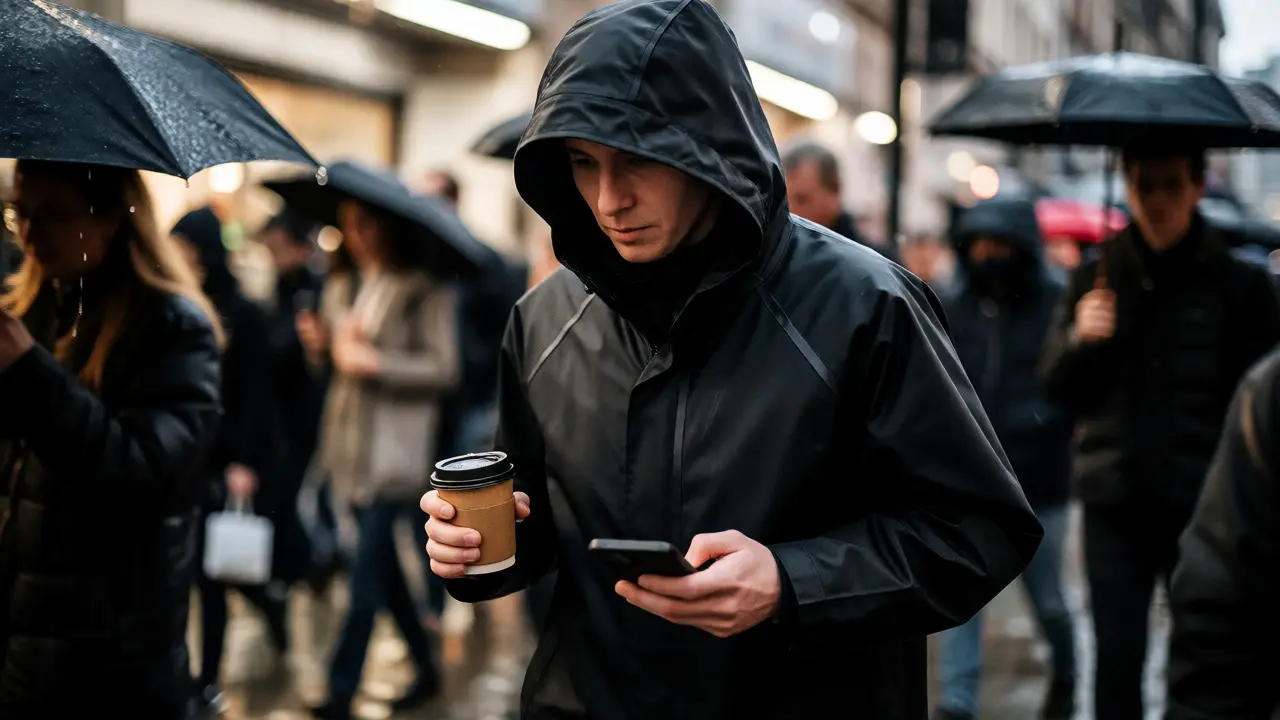
If you only buy one item, make it a good raincoat or waterproof jacket. Why? Because it protects your core temperature and keeps your hands free. In London, you’ll be using public transport, checking maps, holding coffee, or texting. An umbrella demands one hand constantly. A jacket works while you sleep, eat, or run for a bus. Look for specific features. "Waterproof" means different things. A basic shower-proof coat might handle 5,000mm hydrostatic head, which is fine for a drizzle but leaks in a downpour. Aim for jackets rated at least 10,000mm if you plan to walk long distances. More importantly, check for taped seams. If the stitching isn’t sealed, water wicks through the needle holes regardless of how waterproof the fabric is. Brands like Rains, Barbour, or even high-street options from Uniqlo offer breathable membranes that stop sweat buildup-a common issue when you’re rushing across town.
When an Umbrella Actually Wins
Don’t ditch the brolly entirely. There are scenarios where it beats a coat. First, intense heat combined with rain. Wearing a waterproof layer in July humidity can feel like wearing a plastic bag. If it’s 25°C and raining lightly, an umbrella keeps you cooler. Second, sudden downpours without time to dress. If you’re caught off guard, an umbrella provides immediate full-body coverage, including legs and shoes, which a jacket won’t. Third, style preservation. If you’re wearing a delicate suit or a summer dress, a raincoat might wrinkle it or trap heat. An umbrella allows you to keep your outfit intact while staying mostly dry. The key here is quality. Avoid the disposable plastic ones. Invest in a storm-resistant model with double-canopy technology. These allow wind to pass through the gap between the layers rather than catching the umbrella like a sail. Blunt umbrellas, a popular London brand, specifically design theirs to withstand gusts up to 70mph. While pricey (£35+), they last years compared to the weekly replacements tourists often go through.
The Hybrid Strategy: Belt and Braces
Locals rarely rely on just one tool. The smartest approach is layering. Wear a lightweight, packable waterproof shell under your everyday coat. Keep a compact umbrella in your bag for emergencies. This covers all bases:
- Drizzle: Your shell handles it; no need to unpack anything.
- Steady Rain: Shell + umbrella for extra protection on pants/shoes.
- Windstorm: Ditch the umbrella, rely on the hooded shell.
- Indoors: Fold the shell into its pocket; store the umbrella separately.
Footwear Matters More Than You Think
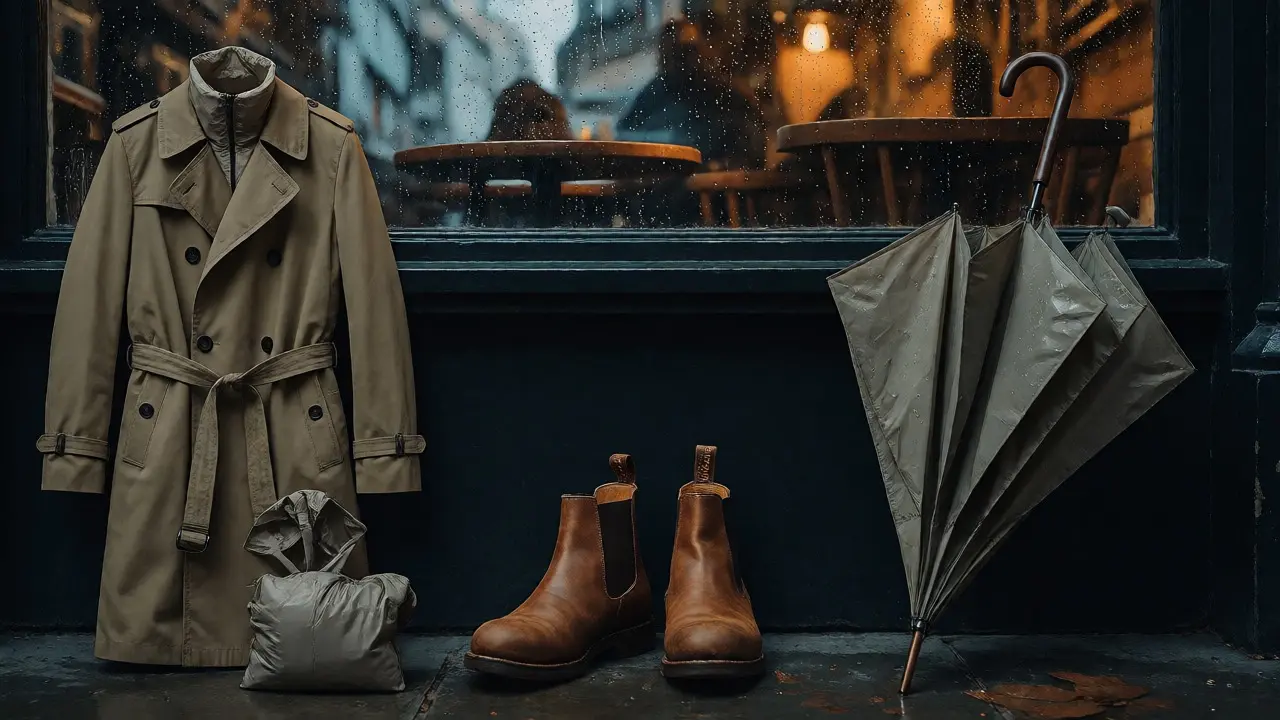
You can wear the best Gore-Tex jacket in the world, but if your sneakers soak through, you’ll feel cold. London pavement is porous and puddles linger for hours after rain stops. Canvas shoes and suede boots are traps. Opt for leather treated with wax or synthetic materials with sealed seams. Chelsea boots are stylish but risky unless fully waterproofed. Hiking-style trainers or dedicated rain boots (wellies) are practical choices. If you must wear fashion footwear, carry spare socks. Wet feet lead to blisters and misery faster than wet hair ever will.
What Locals Actually Wear
Walk around Clapham Junction or Camden Market on a rainy Tuesday, and you won’t see many people carrying large golf umbrellas. You’ll see lots of dark-colored parkas, hooded windbreakers, and minimalists with tiny pockets-sized umbrellas. The local aesthetic prioritizes function over formality. A bright yellow poncho screams "tourist." A matte black rain jacket blends in. Also, notice how few people actually look up at the sky. They assume rain is coming. They check their phone apps-BBC Weather or AccuWeather-and adjust plans accordingly. Don’t wait for the first drop to start worrying. Check the radar 30 minutes before heading out.
Where to Buy Reliable Gear in London
If you forgot your gear, resist the urge to buy the first thing you see. Airport shops charge premium prices for mediocre products. Wait until you reach central zones. For budget-friendly options, Decathlon offers excellent value. Their Quechua range includes waterproof shells for under £40. For mid-range, check out Uniqlo’s Blocktech line or Marks & Spencer’s outdoor section. If you want something durable and stylish, visit a physical store like L.L.Bean or Patagonia in Covent Garden. They let you test the fit and breathability. For umbrellas, John Lewis or specialized shops like Blunt Stores provide warranties that cover wind damage, unlike supermarket versions.
Packing Tips for Visitors
If you’re visiting for a week, don’t pack three coats. Pack one versatile outer layer and one inner layer. Choose colors that hide mud splashes (dark greens, navy, charcoal). White shows every speck of grime kicked up by buses. Ensure your bag has a separate compartment for wet items. Plastic bags work, but reusable silicone pouches are better. Finally, accept that you will get slightly damp. Perfection is impossible in London rain. The goal is comfort, not dryness. If your core stays warm and your phone stays dry, you’ve succeeded.
Is it rude to carry an umbrella indoors in London?
It’s generally considered impolite to open an umbrella indoors, especially in crowded spaces like pubs or museums. However, simply carrying a closed umbrella is fine. Just ensure it’s folded tightly and held away from others. Many venues ask you to leave large umbrellas at cloakrooms.
Do I need wellies in London?
Rarely. Unless you’re planning to visit parks with muddy paths or attend outdoor festivals like Glastonbury nearby, wellies are overkill for city streets. Waterproof ankle boots or treated sneakers are sufficient for most urban environments.
Which brand makes the best windproof umbrella?
Blunt is widely regarded as the best for London winds due to its tensioned canopy design. Other reliable brands include Fox Umbrellas and Davek. Avoid generic supermarket umbrellas if you expect high winds.
Can I use a regular jacket instead of a raincoat?
You can, but it depends on the material. Wool absorbs water and becomes heavy and cold. Cotton dries slowly. Synthetic materials like polyester or nylon with a DWR (Durable Water Repellent) coating are better. However, for sustained rain, a dedicated waterproof membrane is far superior.
How much should I spend on rain gear?
For a short visit, £20-£40 is enough for a decent umbrella and a basic shell. For residents or frequent visitors, investing £100+ in a high-quality waterproof jacket pays off in durability and comfort. Cheap gear often needs replacing multiple times per season.