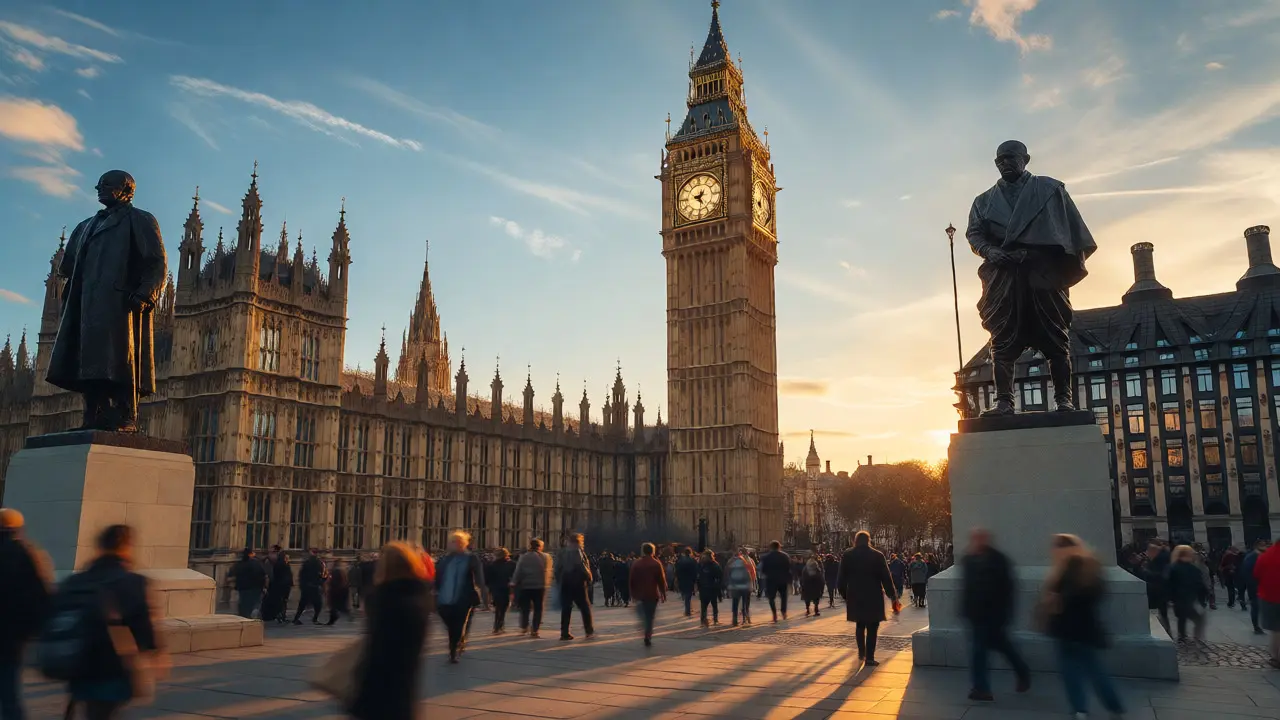
You’ve seen the Houses of Parliament on postcards. You’ve watched Big Ben chime in movies. But do you know what it’s actually like to live or spend a day in Westminster? It is not just a tourist trap with red buses and selfie sticks. It is one of London’s most complex, expensive, and historically dense boroughs. If you are planning a visit or considering a move here, you need more than a map. You need to understand the rhythm of its streets, the cost of its coffee, and the quiet corners that tourists miss.
| Attribute | Detail |
|---|---|
| Central Location | Zone 1, Central London |
| Primary Transport Hubs | Westminster Station, Victoria, St James's Park |
| Major Landmark Density | Extremely High (Parliament, Abbey, Buckingham Palace) |
| Average Rent Trend (2026) | Premium Tier; highest in London alongside Kensington |
The Heart of Power: Parliament Square and Beyond
If you stand in Parliament Square, you are standing at the intersection of British history and modern politics. This is not just a roundabout. It is a symbolic circle containing statues of figures who shaped the nation, from Winston Churchill to Mahatma Gandhi. The view toward Big Ben (officially the Elizabeth Tower) is iconic, but look closer. The stone work tells stories of centuries of governance. For visitors, this is the starting point. For residents, it is a daily commute route that can feel overwhelming during rush hour.
Just steps away lies Westminster Abbey. Unlike many cathedrals that feel cold and distant, the Abbey has an intimate atmosphere despite its grandeur. It is where coronations happen, yes, but also where poets and scientists rest. Charles Dickens, Isaac Newton, and Stephen Hawking are buried here. Walking through the Poets' Corner feels less like a museum tour and more like a conversation with the past. If you have thirty minutes, skip the audio guide and just read the inscriptions on the floor stones. They reveal how much Britain values its cultural contributors.
Royal Whispers: Buckingham Palace and The Mall
Everyone wants to see the Changing of the Guard. It is loud, colorful, and crowded. But if you want to experience the royal side of Westminster without the crush, walk down The Mall early in the morning. This broad, tree-lined avenue leads directly to Buckingham Palace. In the summer, the palace opens its State Rooms for tours, offering a glimpse into the opulence of monarchy. Even when closed, the exterior grounds provide a sense of scale that photos cannot capture.
Behind the palace lies St James's Park, often overlooked by tourists rushing to Hyde Park. Do not make that mistake. St James's Park is smaller, wilder, and home to pelicans that have lived there since the 1600s. Feeding them bread is discouraged now, but watching them waddle across the lake is oddly soothing. The park connects the political center to the residential areas seamlessly. It is a green lung that makes the concrete jungle breathable.
Historic Streets: Whitehall and Horse Guards Parade
Whitehall is the spine of government. This street houses key ministries and departments. You will pass the Cenotaph, the war memorial that becomes the focal point every November for Remembrance Sunday. The architecture here is imposing, designed to project stability and authority. However, the street itself is functional. Buses roar past, and officials hurry between buildings. It is not a place for leisurely strolling unless you appreciate bureaucratic grandeur.
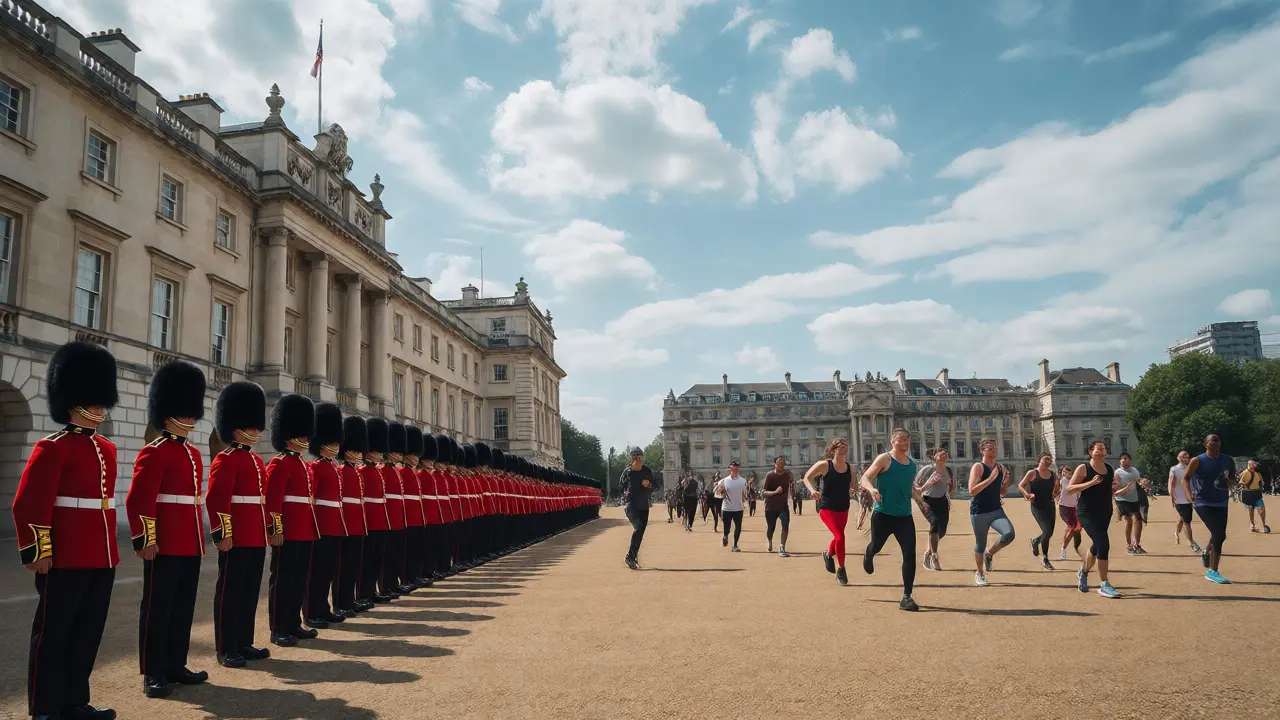
Nearby, Horse Guards Parade offers a different vibe. This large open space was once a tilt-yard for jousting tournaments. Today, it hosts ceremonial events and provides a vast, open sky above. On weekends, locals use it for jogging or yoga. The contrast between the rigid military precision of the guards and the casual relaxation of the public creates a unique social dynamic. It shows how Westminster balances duty and daily life.

Living in Westminster: Costs and Lifestyle
Let’s talk money. Living in Westminster is expensive. There is no way around it. A one-bedroom apartment in a decent building can easily cost over £2,500 per month. Why pay this? Convenience. You are walking distance to major employers, top-tier schools, and some of the best restaurants in London. The London Underground network here is extensive. Westminster Station, Victoria Station, and St James's Park Station all serve the area. You rarely need a car. In fact, owning one is often a burden due to congestion charges and parking restrictions.
But it is not just about high costs. The lifestyle is fast-paced. Shops stay open late. Restaurants buzz until midnight. The demographic is mixed: young professionals working in finance or law, international diplomats, and long-term residents who refuse to leave. Noise levels can be high, especially near Oxford Street borders. If you value silence, you might prefer the quieter pockets near Pimlico or Belgravia, which border Westminster but offer more residential calm.
Dining and Culture: Beyond the Tourist Traps
Eating in Westminster doesn't mean settling for overpriced sandwiches. While Covent Garden nearby attracts crowds, Westminster has its own gems. Look for independent cafes in side streets off Broad Sanctuary. These spots serve serious coffee and homemade cakes, catering to the local workforce rather than tourists. For dinner, the area around Dean Street offers French and Italian bistros that have been family-run for decades. They don’t advertise loudly, but they fill up quickly.
Culturally, Westminster is rich but subtle. The National Gallery is technically in Trafalgar Square, which borders the borough, but the cultural spill-over is significant. Local galleries often showcase contemporary art, providing a counterpoint to the historical weight of the area. Check out small exhibition spaces in Millbank, near Tate Britain. These venues host emerging artists and free talks, making art accessible without the pressure of major museum visits.
Practical Tips for Visitors and New Residents
If you are visiting, buy tickets for attractions online in advance. Lines for Westminster Abbey and the London Eye can stretch for hours. Wear comfortable shoes. The area involves a lot of walking on uneven pavement and cobblestones. Also, be aware of pickpockets in crowded areas like the Jubilee Walkway. Keep your valuables secure.
For new residents, join community groups. Westminster has active resident associations that advocate for better services and preservation of historic buildings. Engaging with neighbors helps you navigate the bureaucracy of council tax and waste collection. These administrative tasks can be tricky in central London. Knowing who to call saves time and stress.
Frequently Asked Questions
Is Westminster safe to walk around at night?
Yes, generally speaking. The area is well-lit and heavily patrolled due to the presence of government buildings and tourists. However, as with any city center, stay aware of your surroundings in less crowded side streets after dark. Stick to main thoroughfares like Whitehall and The Strand if you are unfamiliar with the area.
What is the best time to visit Westminster landmarks?
Early mornings (before 9 AM) or late evenings are best to avoid crowds. Weekdays are significantly quieter than weekends. If you want to see the Changing of the Guard, arrive at least 30 minutes early to secure a good viewing spot, preferably on the side facing the palace gates.
How much does it cost to live in Westminster compared to other London areas?
Westminster is among the most expensive boroughs in London. Rents are typically 15-20% higher than average London rates. However, you save on transport costs since many jobs and amenities are within walking distance. Utilities and council tax are also standard for Zone 1 properties.
Are there affordable places to eat in Westminster?
Affordable is relative in Westminster. Look for lunch deals at bistros on Dean Street or Peter Street. Supermarkets like M&S Foodhall offer ready-made meals that are cheaper than restaurant dining. Avoid places directly facing major tourist attractions, as prices inflate significantly.
Which tube stations serve Westminster best?
Westminster Station (District and Circle lines) is closest to Parliament and the Abbey. Victoria Station (Circle, District, Victoria lines) serves the western part and connects to trains for Gatwick. St James's Park Station (District and Circle lines) is ideal for accessing St James's Park and the southern edge of the borough.