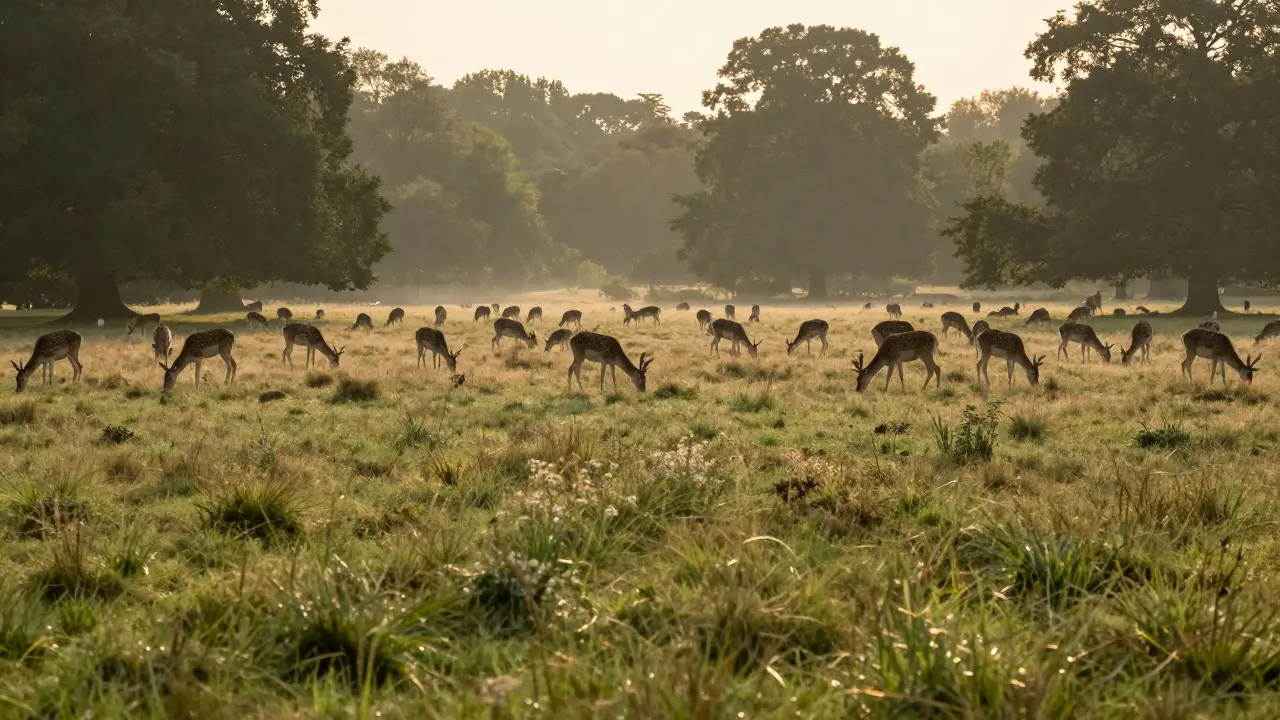
Imagine walking through a massive green space in the heart of the UK's capital, only to find yourself face-to-face with wild Red Deer large, antlered mammals that roam freely in specific London parks. It sounds like a trip to the countryside, but it’s actually just a short tube ride away. If you are looking for the best places to spot these majestic animals, two locations stand out above the rest: Richmond Park the largest royal park in London, known for its free-roaming deer herds and Bushy Park a quieter, smaller alternative in the London Borough of Haringey with a resident deer population.
Seeing deer in the city is a unique experience, but it requires some preparation. These aren't zoo animals; they are semi-wild creatures with their own routines. Knowing where to look, when to go, and how to behave can make the difference between a magical encounter and a frustrating empty walk. Here is everything you need to know to plan your visit effectively.
Quick Summary / Key Takeaways
- Richmond Park is the premier destination for seeing large herds of Red Deer, Fallow Deer, Sika Deer, and Roe Deer.
- Bushy Park offers a more intimate experience with fewer visitors, primarily featuring Fallow Deer and Roe Deer.
- The best times to see deer are early morning (6 AM - 9 AM) or late afternoon (4 PM - sunset).
- Deer are most active during the rutting season in autumn (October-November), which is spectacular but can be intense.
- You must stay on marked paths in both parks to protect the deer and ensure your safety.
Why Richmond Park is the Top Choice
If you have only one chance to see deer in London, make it Richmond Park. Covering over 2,500 acres, this park is home to approximately 1,800 deer of four different species. The sheer volume of animals here means you are almost guaranteed to see at least one herd if you walk the main loops. The park has been a royal hunting ground since the 17th century, and the deer have lived there continuously for centuries, making them relatively habituated to human presence, though still wild.
The landscape varies from open grasslands to dense woodland, offering different vantage points. The open areas near the Great Paddock and the Long Meadow are particularly good for spotting distant herds. Because the park is so large, it helps to pick a specific route rather than wandering aimlessly. The perimeter roads are popular for cyclists and walkers alike, providing a continuous loop that covers significant ground without getting lost.
Bushy Park: A Hidden Gem for Wildlife Lovers
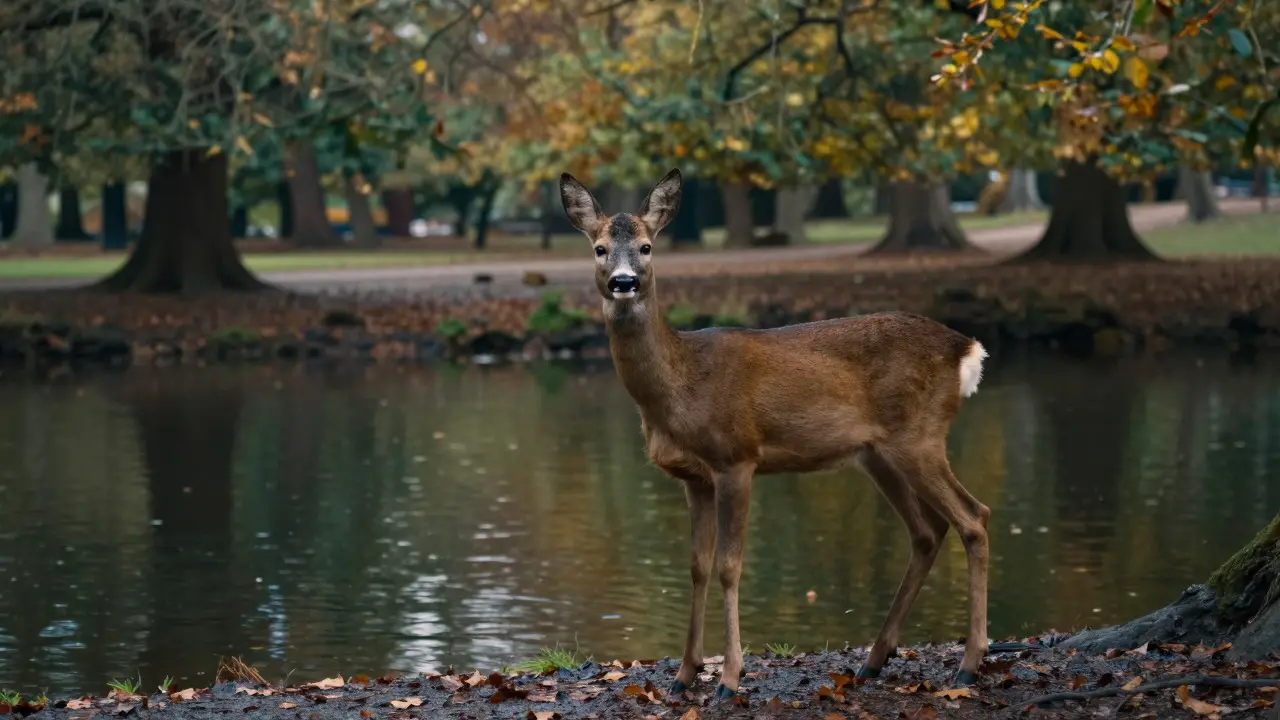
While Richmond Park gets the headlines, Bushy Park is a fantastic alternative, especially if you prefer less crowds. Located in North London, this 130-acre park feels much larger due to its winding paths and varied terrain. The deer population here is smaller, typically around 50-60 individuals, mostly Fallow Deer and Roe Deer. This smaller number makes each sighting feel more personal and rare.
Bushy Park is also famous for its aviary, where you can see exotic birds up close, adding another layer to your nature walk. The path along the river is particularly scenic, and the deer often graze near the water's edge. Since the park is closer to central London via the Victoria line, it’s a convenient option for those staying in the city center who want a quick escape into nature.
Best Times to Visit for Maximum Sightings
Timing is everything when it comes to wildlife watching. Deer are crepuscular animals, meaning they are most active during dawn and dusk. They tend to rest in the shade of trees during the heat of the day, especially in summer months like August. So, if you can wake up early, head to the park at 6:30 AM. You’ll have the lightest traffic and the deer will be grazing actively as the sun rises.
Late afternoon, starting around 4 PM, is the second-best window. As the temperature drops, the deer come out to feed before nightfall. Avoid midday visits if possible, unless you’re lucky enough to catch a resting herd in a shaded clearing. Weather also plays a role; mild, dry days encourage outdoor activity, while heavy rain might keep them tucked away in denser cover.
| Feature | Richmond Park | Bushy Park |
|---|---|---|
| Size | ~2,500 acres | ~130 acres |
| Deer Population | ~1,800 (4 species) | ~50-60 (2 species) |
| Crowd Level | High (especially weekends) | Moderate/Low |
| Transport Access | District Line (Richmond Station) | Victoria Line (Wood Green Station) |
| Best For | Guaranteed sightings, variety of species | Quiet walks, bird watching combo |
How to Behave Around Wild Deer
Even though these deer live in urban parks, they are still wild animals. Their natural instinct is to flee when threatened, but if cornered, they can kick or charge. To ensure a safe and respectful encounter, follow these simple rules. First, always stay on the marked paths. Off-path walking can disturb their grazing areas and lead to fines. Second, keep your distance. Use binoculars or a zoom lens if you want a closer look. Getting within 10 meters is generally considered too close and can cause stress to the animal.
Avoid sudden movements or loud noises. Speak softly if you’re with friends or children. If a deer approaches you, stand still and let it pass. Do not try to touch or feed them, even if they look tame. Feeding wild deer can alter their diet, leading to health problems like bloat or malnutrition. Also, watch out for fawns in spring (May-June); mothers hide them in tall grass, and stepping on a hidden fawn is a common accident. Listen carefully for bleats before moving through tall vegetation.
Practical Tips for Your Visit
Before you head out, check the weather forecast. Mild, sunny days are ideal, but even overcast days can yield good sightings if you’re patient. Wear comfortable walking shoes, as the terrain includes hills and uneven ground, especially in Richmond Park. Bring plenty of water and snacks, as there are limited facilities in the deeper parts of the parks. A camera with a good zoom capability will help you capture photos without disturbing the animals.
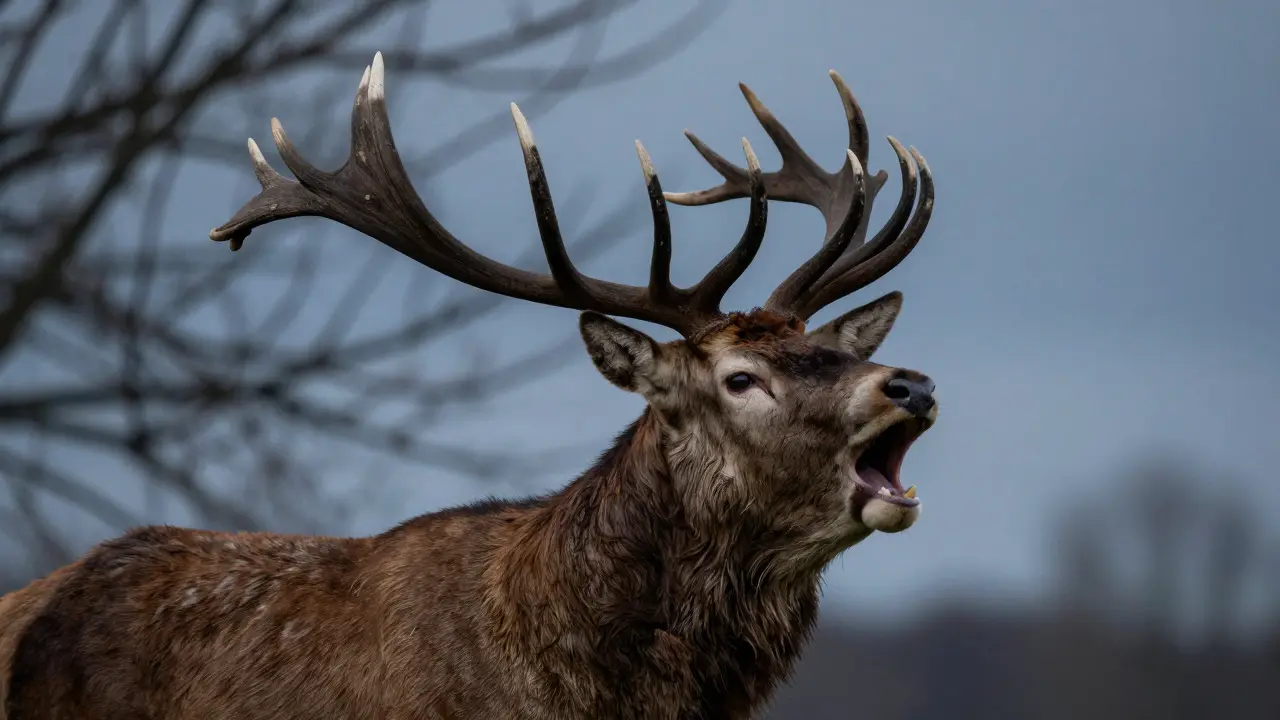
If you’re visiting in autumn, prepare for the rutting season. From October to November, male deer compete for mates, producing loud roars and engaging in physical battles. This is a spectacular display of nature, but it can be intimidating for casual visitors. Stay alert and keep an eye on the stags’ behavior. In winter, the deer grow thicker coats, making them look even more impressive against the bare branches of the trees.
Frequently Asked Questions
Are the deer in Richmond Park wild?
Yes, the deer in Richmond Park are semi-wild. They have lived in the park for centuries and are accustomed to humans but retain their natural instincts. They are not captive zoo animals and roam freely across the park.
Can I feed the deer in London parks?
No, feeding the deer is discouraged and sometimes prohibited. Human food can be harmful to their digestive systems. Stick to observing them from a distance and enjoy the natural experience.
Which park is better for families with young children?
Bushy Park is often better for families with very young children because it is smaller and easier to navigate. Richmond Park is beautiful but vast, which can be tiring for toddlers. However, both parks are family-friendly if you stay on paths and supervise children closely.
Do I need a ticket to enter Richmond Park or Bushy Park?
No, entry to both Richmond Park and Bushy Park is free. There are no admission charges for walking or cycling. You only pay for parking if you drive, and parking spaces can fill up quickly on weekends.
What is the best time of year to see deer with antlers?
Male deer (stags) shed their antlers in late winter and regrow them throughout the spring and summer. By autumn, the antlers are fully grown and velvet-covered. The most impressive antlers are visible from September through December, coinciding with the rutting season.