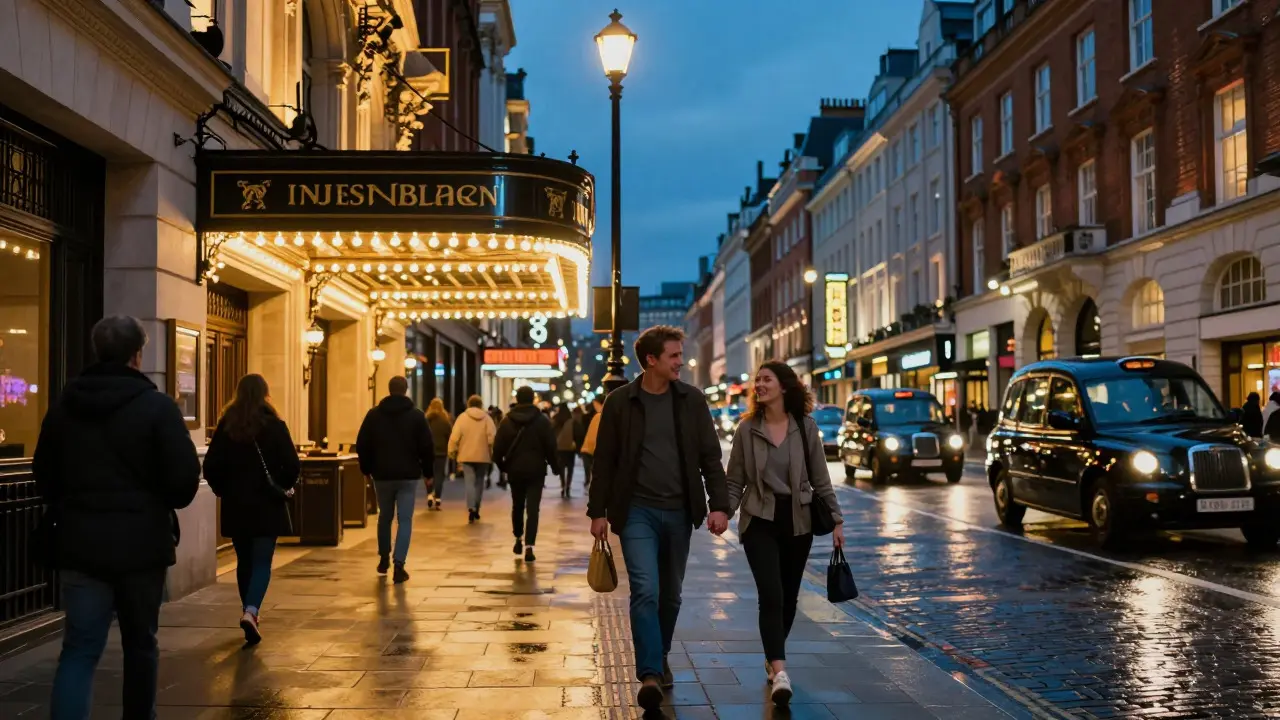
Missing the last act because you were stuck in traffic across the city is a nightmare no one wants. If you are planning a trip centered around West End theatre, your choice of hotel isn't just about comfort; it's about logistics. You want to be close enough to walk to the stage door but far enough away that the noise doesn't ruin your sleep. This guide breaks down exactly where to stay in London to maximize your theatre experience while minimizing your stress.
The Core Theatre Districts Explained
Before booking anything, you need to understand the geography. The heart of London's theatre scene is not one single point but a cluster of three main areas: Covent Garden, Soho, and the West End proper (around Piccadilly and Leicester Square). These areas are dense with theatres, restaurants, and nightlife. Staying here means you can walk almost anywhere within 10 to 15 minutes. However, this convenience comes at a premium price. Hotels in these zones are often historic buildings with limited modern amenities, so check reviews for soundproofing carefully.
Just outside this core, you have two emerging alternatives: Southbank and Shoreditch. The Southbank offers stunning views of the Thames and is home to several major venues like the National Theatre and the Royal Festival Hall. It’s quieter than Soho but still very central. Shoreditch, on the other hand, is the trendy east-side option. It’s further away from the traditional West End, requiring a Tube ride or a long walk, but it offers unique boutique stays and a vibrant food scene that appeals to younger travelers.
Comparing Areas: Price, Vibe, and Proximity
To help you decide, let’s look at how these areas stack up against each other. Each district has distinct characteristics that affect your daily routine. For instance, Covent Garden is bustling with street performers and markets, making it lively even during the day. Soho is known for its narrow streets and late-night bars, which might not suit early risers. The Southbank is more open and scenic, ideal if you want to combine theatre with outdoor walks along the river.
| Area | Average Nightly Rate (Mid-range) | Walkability to Major Theatres | Vibe & Atmosphere | Best For |
|---|---|---|---|---|
| Covent Garden | £250 - £400 | Excellent (5-10 mins) | Bustling, touristy, energetic | First-time visitors, families |
| Soho | £200 - £350 | Very Good (10-15 mins) | Intimate, nightlife-heavy, historic | Couples, night owls |
| Southbank | £180 - £300 | Good (15-20 mins or short Tube) | Scenic, relaxed, cultural | Art lovers, budget-conscious |
| Shoreditch | £150 - £250 | Fair (20+ mins or Tube) | Trendy, creative, industrial-chic | Digital nomads, young professionals |
Choosing Your Accommodation Type
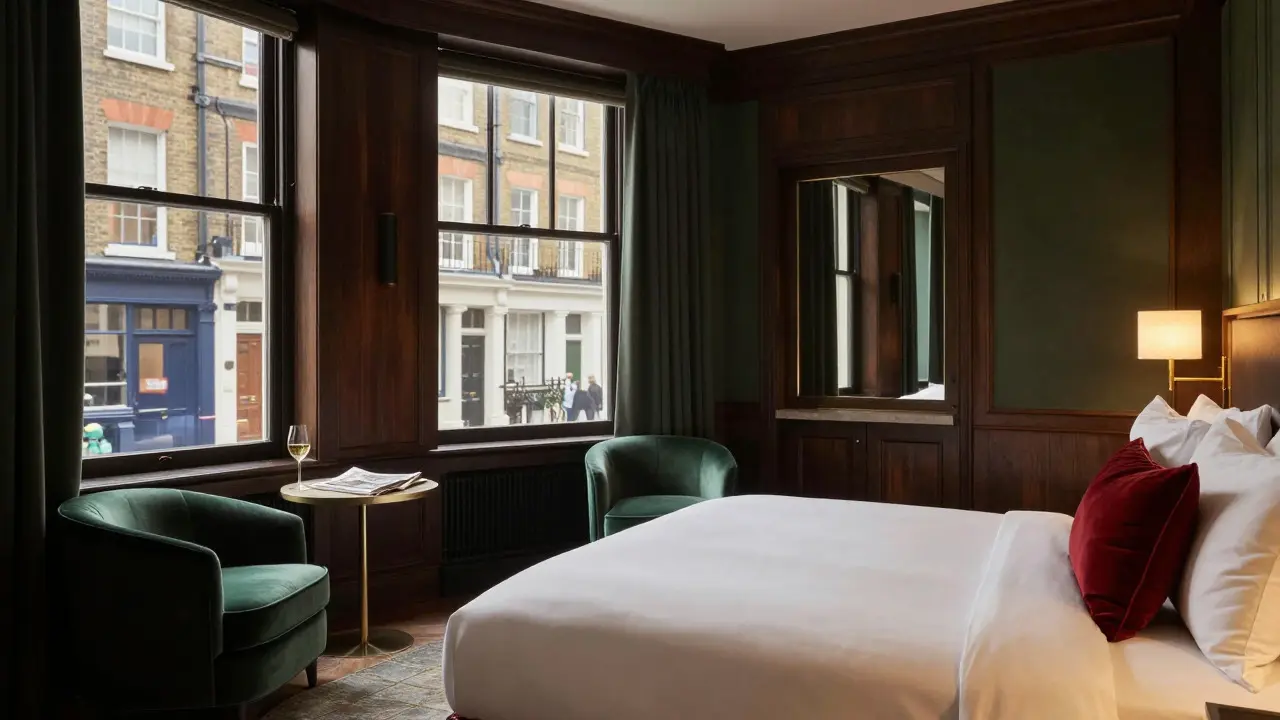
Your preference for privacy versus social interaction should dictate whether you choose a traditional hotel, a boutique guesthouse, or an apartment. Traditional hotels in the West End offer full services like room service and concierge desks, which can be incredibly helpful when navigating showtimes and restaurant reservations. However, they tend to be smaller and older. Boutique hotels, particularly in Soho and Mayfair, provide a curated experience with design-focused interiors and personalized attention. They are often newer and quieter, offering a better balance between luxury and tranquility.
If you are traveling as a group or staying for more than a week, consider serviced apartments. These give you kitchen facilities, allowing you to save money on breakfast and late-night snacks after a show. In areas like Southbank and Shoreditch, you’ll find many high-quality apartments that offer modern amenities without the high cost of a five-star hotel suite. Just remember that apartments usually lack 24-hour front desk support, so plan your arrival time accordingly.
Transportation and Connectivity Tips
Even if you stay within walking distance, knowing the Tube network is essential for backup plans. The Central Line and Northern Line are the workhorses for theatre-goers. If you stay in Shoreditch, the Overground train provides a direct link to Liverpool Street, which is only a short walk to the West End. From Southbank, the Jubilee Line connects to Waterloo and Westminster, putting you near several major venues. Always check the last train times, as some lines close earlier than others, and late-night buses can be a reliable alternative if you miss the final departure.
Taxi services and ride-hailing apps are available throughout these areas, but prices surge during peak hours and after popular shows. Walking is often faster and cheaper if you are sober and fit. Keep in mind that London sidewalks can be crowded, especially outside famous theatres like the Lyceum or the Dominion, so allow extra time for your journey.

Budget Strategies for Theatre Trips
Theatre tickets are expensive, so saving on accommodation makes sense. One effective strategy is to book mid-week stays. Prices drop significantly on Tuesdays and Wednesdays compared to weekends. Many hotels offer dynamic pricing, so checking rates for different days can reveal substantial savings. Another tip is to look for packages that include theatre tickets. Some hotels partner with local venues to offer discounted ticket bundles, which can be a great deal if you haven’t booked your shows yet.
Consider staying slightly outside the core district, such as in Notting Hill or Chelsea. These areas are still central but often have lower nightly rates due to less direct competition from tourist-heavy zones. A short Tube ride gets you into the West End quickly, and you enjoy a quieter neighborhood in the evenings. This approach works well for travelers who value peace and quiet over immediate proximity.
Common Mistakes to Avoid
One frequent error is assuming that all "central" locations are equally convenient. Check the specific address on a map before booking. A hotel listed as "near Covent Garden" might actually be on the edge of the zone, requiring a 20-minute walk to the nearest theatre. Use online maps to measure distances accurately. Another mistake is ignoring noise factors. Rooms facing busy streets or under flight paths can be disruptive. Read recent reviews mentioning sound quality, or request a room facing a courtyard or garden if possible.
Finally, don’t overlook the importance of luggage storage. If you arrive before check-in or leave after check-out, having a place to store your bags is crucial. Most hotels offer this service, but some budget accommodations do not. Confirm this policy in advance to avoid carrying heavy suitcases around the city while you explore.
Is it safe to walk back to my hotel late at night?
Yes, the main theatre districts like Covent Garden, Soho, and the Southbank are generally safe and well-lit. They remain busy with people leaving shows and restaurants until quite late. Stick to main streets and use common sense, as you would in any major city center.
Which area is best for first-time visitors to London?
Covent Garden is often recommended for first-timers because it is centrally located, easy to navigate, and surrounded by major attractions like the British Museum and the West End theatres. It offers a mix of culture, shopping, and dining in a compact area.
Can I get a discount on hotel rates if I buy theatre tickets?
Sometimes. Many hotels in the West End offer package deals that include discounted tickets to popular shows. Check the hotel’s website or contact their concierge directly to see if current promotions are available for your travel dates.
How far in advance should I book a hotel near the theatres?
For peak seasons (December, July, August) and major show openings, book at least 3-6 months in advance. For off-peak periods, 1-2 months is usually sufficient. Booking early ensures you get the best rooms and rates, especially in popular areas like Soho and Covent Garden.
Are there family-friendly hotels near the West End?
Yes, many hotels in Covent Garden and the Southbank cater to families. Look for properties that offer connecting rooms, cribs, and family suites. The Southbank is particularly good for families due to its parks and open spaces, providing a break from the urban bustle.