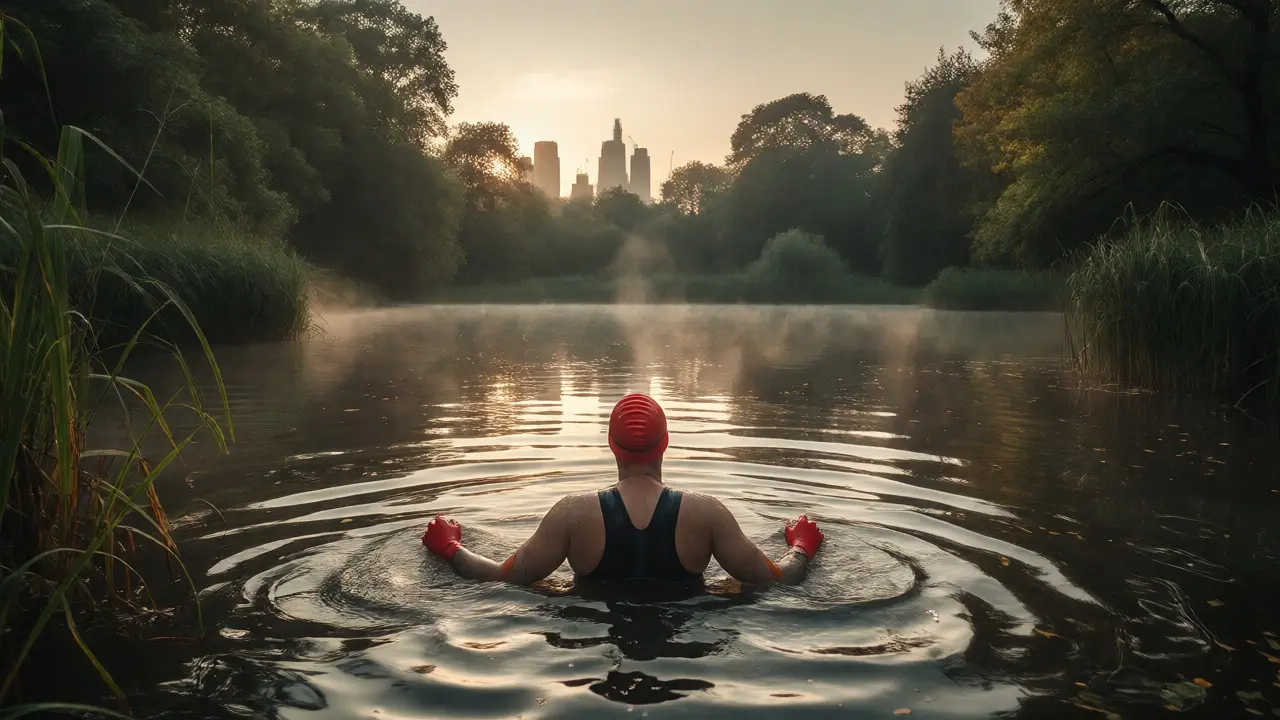
You’ve probably seen the photos on Instagram: people emerging from misty water with red cheeks and big smiles, looking utterly alive. It’s not just a trend; it’s a genuine escape from the concrete grind of London. But here’s the thing most guides won’t tell you upfront-swimming in wild water near the capital isn’t like jumping into a heated pool at your local leisure center. The water is cold, the currents are unpredictable, and the logistics can be tricky. If you’re thinking about taking the plunge this autumn or winter, you need more than just a towel and good intentions. You need to know where to go, how to stay safe, and what actually makes these spots special.
Quick Summary
- Best Spots: Hampstead Heath Ponds offer the closest urban access, while Larkfield Lake and River Stour provide rural seclusion within an hour’s drive.
- Safety First: Always enter feet-first, never swim alone, and check for hidden obstacles like submerged branches or strong undercurrents.
- Gear Up: A neoprene cap and gloves are essential for year-round swimming; open-water wetsuits (1-3mm) extend your season significantly.
- Logistics: Many spots lack changing rooms or parking. Plan your route using public transport or carpooling to avoid traffic nightmares.
The Urban Oasis: Hampstead Heath Ponds
If you want to dip your toes without leaving Zone 2, Hampstead Heath Ponds are the undisputed kings of London wild swimming. Technically man-made reservoirs, they feel entirely natural thanks to the surrounding ancient woodland and reed beds. There are three main ponds: Men’s Pond, Ladies’ Pond, and Mixed Pond. Each has its own vibe. The Men’s Pond is often quieter early in the morning, while the Mixed Pond buzzes with social energy during lunch hours. What makes them stand out is accessibility. You can hop on the Northern Line to Golders Green or Finchley Central and walk there in twenty minutes.
But don’t let the easy access fool you. These ponds are deep-some parts reach over six meters-and the bottom is silty. Visibility is low, so you’re swimming blind compared to a clear mountain lake. The water temperature hovers around 4°C in winter and rarely exceeds 20°C even in peak summer. This means you’ll need acclimatization. Start with short dips. Most regulars spend five to ten minutes in the water initially. Facilities are decent for wild spots: there are toilets, lockers (bring your own padlock), and a café that serves excellent hot chocolate after your swim. Just remember, lifeguards are present only during specific summer hours. Outside those times, you’re responsible for your own safety.
Rural Retreats: Larkfield Lake and Beyond
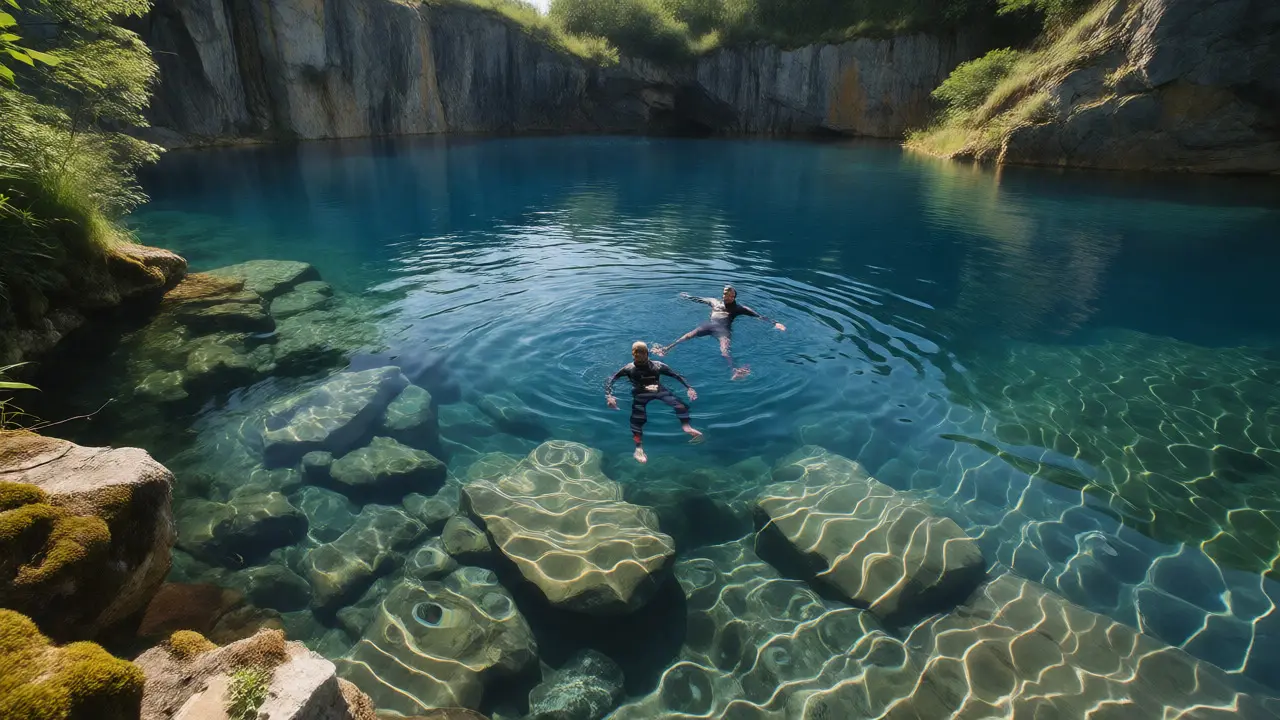
For those willing to venture further out, Larkfield Lake in Kent offers a stark contrast to Heath’s manicured chaos. Located about an hour southeast of London by train and bus, this former quarry has transformed into a stunning freshwater lake with crystal-clear blue-green water. Unlike the silt-heavy ponds of London, Larkfield’s clarity allows you to see down several meters, which changes the psychological experience completely. You’re not fighting the unknown; you’re exploring it.
The catch? Parking is limited and fills up fast on weekends. Arrive before 9 AM if you want a spot. The entry fee helps maintain the site, keeping litter down and facilities clean. There are basic changing areas and showers, but no luxury amenities. Bring everything you need. Another gem nearby is Chillenden Mill in Canterbury, a converted mill pond with lush green banks and shallow edges perfect for beginners. It’s less crowded than Larkfield and feels more secluded. Both locations highlight the importance of checking local regulations. Some private lakes require membership or day passes, so verify access before making the trip.
Flowing Waters: River Swimming Challenges
Swimming in rivers adds a layer of complexity that still water doesn’t have. Currents, depth changes, and debris make river swimming both thrilling and risky. The River Thames itself is technically swimmable in certain stretches, particularly upstream near Oxfordshire or through designated sections in Surrey. However, commercial traffic and pollution levels mean you must choose your spots carefully. The River Stour in Suffolk is a favorite among experienced open-water swimmers. Its slow-moving meanders and sandy bottoms make it safer than faster-flowing chalk streams like the Test or Itchen.
When tackling rivers, always scout the entry and exit points first. Look for gradual slopes rather than steep banks. Avoid weirs-they create powerful recirculating currents that can trap even strong swimmers. If you’re new to river swimming, stick to calm backwaters or oxbow lakes connected to the main channel. These offer the scenic beauty of flowing water without the dangerous force of the current. Remember, rain upstream affects water levels downstream instantly. Check weather forecasts and water level reports before heading out.
Essential Gear for Cold Water Comfort
You don’t need expensive equipment to start, but the right gear transforms misery into enjoyment. A standard neoprene cap is non-negotiable. Your head loses heat rapidly, and protecting it keeps your core temperature stable. Neoprene gloves and booties are next in line. Hands and feet are extremities, meaning they cool down first. Wearing gloves extends your time in the water by preventing numbness, which can impair your ability to swim safely.
Wetsuits come next. For summer swims, a thin 1mm suit provides minimal warmth but protects against jellyfish stings or scrapes. For autumn and winter, a 3mm or 5mm suit is recommended. Brands like Orca, Xcel, or even Decathlon’s Tribord range offer affordable options. Don’t forget post-swim comfort. A dry robe or oversized poncho made of absorbent fabric is invaluable. It lets you change quickly in windy conditions without exposing yourself to the elements. Keep a dedicated bag with spare clothes, a warm hat, and high-calorie snacks like nuts or bananas. Your body burns significant energy staying warm, and refueling immediately prevents the "after-drop" shivers that hit thirty minutes later.
Safety Rules That Save Lives
Wild swimming carries inherent risks that pool swimming doesn’t. The golden rule is simple: never swim alone. Even if you’re an Olympic-level athlete, a cramp or unexpected obstacle in murky water requires a buddy system. Before entering, assess the water. Throw a stone in to gauge depth. Look for surface disturbances indicating rocks or logs below. Enter slowly. Acclimatize your body to the cold shock response-the initial gasp reflex-by standing still for a minute before starting to move.
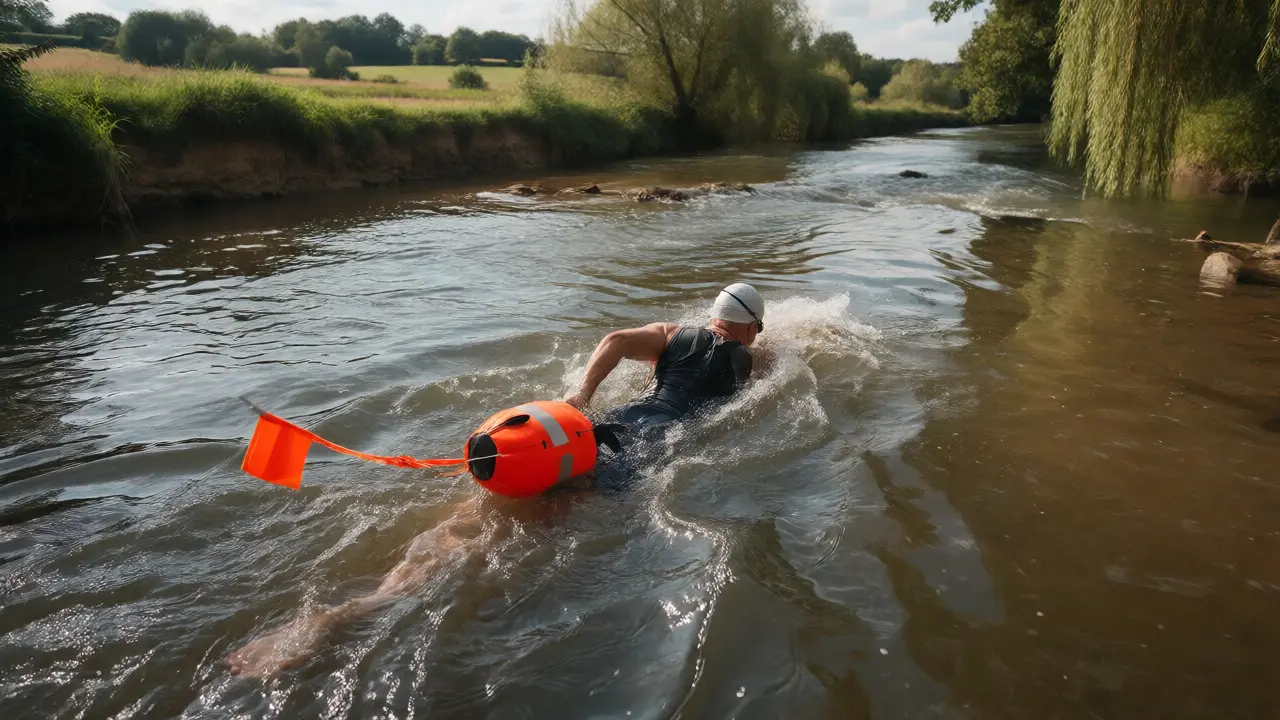
Visibility is another critical factor. In low-light conditions or turbid water, wear a bright tow float. This buoyant flag attaches to your ankle or waist, making you visible to boats and other swimmers. It also doubles as a resting platform if you get tired. Know your limits. Cold water reduces muscle efficiency and cognitive function. If you feel confused or overly fatigued, get out immediately. Hypothermia creeps in subtly. Shivering is a sign your body is struggling to maintain temperature. Don’t push through it. Finally, respect wildlife. Leave nesting birds undisturbed and avoid swimming in algal blooms, which can cause skin irritation or illness.
| Location | Type | Travel Time from Central London | Facilities | Best For |
|---|---|---|---|---|
| Hampstead Heath Ponds | Man-made Reservoir | 20-30 mins (Tube/Walk) | Toilets, Lockers, Café | Beginners, Urban Swimmers |
| Larkfield Lake | Natural Quarry | 60-75 mins (Train/Bus) | Showers, Changing Rooms | Clear Water Enthusiasts |
| River Stour | Slow Flowing River | 90+ mins (Car/Train) | Minimal/Nature Only | Experienced Swimmers |
| Chillenden Mill | Mill Pond | 80 mins (Train) | Basic Toilets | Quiet Seclusion |
Frequently Asked Questions
Is it safe to swim in the River Thames?
It can be, but it requires caution. The Thames has strong tidal currents in central London and heavy boat traffic. Upstream, towards Oxfordshire, it is calmer and safer for recreational swimming. Always check tide tables and avoid swimming near locks or weirs. Pollution levels vary, so research recent water quality reports before entering.
Do I need a wetsuit for wild swimming in summer?
Not strictly, but it depends on your tolerance. UK summer water temperatures rarely exceed 20°C, which feels cold to many. A thin wetsuit (1mm) can help preserve energy and protect against abrasions. If you prefer minimal gear, focus on building cold adaptation gradually and keep swims short.
What should I do if I get a cramp in cold water?
Stay calm and signal for help if you have a buddy. Float on your back to conserve energy and stretch the affected muscle gently. Cold water exacerbates cramps, so try to relax rather than fight it. Use your tow float for support if available. Get out of the water as soon as possible to warm up.
Are dogs allowed in all wild swimming spots?
No. Many ponds and lakes have strict no-dog policies to maintain hygiene and protect wildlife. Hampstead Heath Ponds, for example, prohibit dogs. Rural spots vary; some allow them on leads, others ban them entirely. Always check local signage or website rules before bringing your pet.
How long should a beginner stay in cold water?
Start with 1-2 minutes. Gradually increase duration by one minute per session as your body adapts. Never push to exhaustion. The goal is consistency, not endurance. Over time, you may comfortably stay in for 10-20 minutes, but listen to your body’s signals above all else.
Next Steps for Your First Dip
Ready to take the plunge? Start small. Pick a location close to home, like Hampstead Heath, for your first few visits. Go on a weekday morning when crowds are thinner. Pack light but smart: towel, dry robe, hot drink flask, and your swimsuit. Tell someone where you’re going. After your swim, embrace the shiver-it’s proof you’re alive. Join a local open-water swimming group online to find buddies and share tips. The community is welcoming and eager to help newcomers navigate the waters, literally and figuratively. Happy swimming.