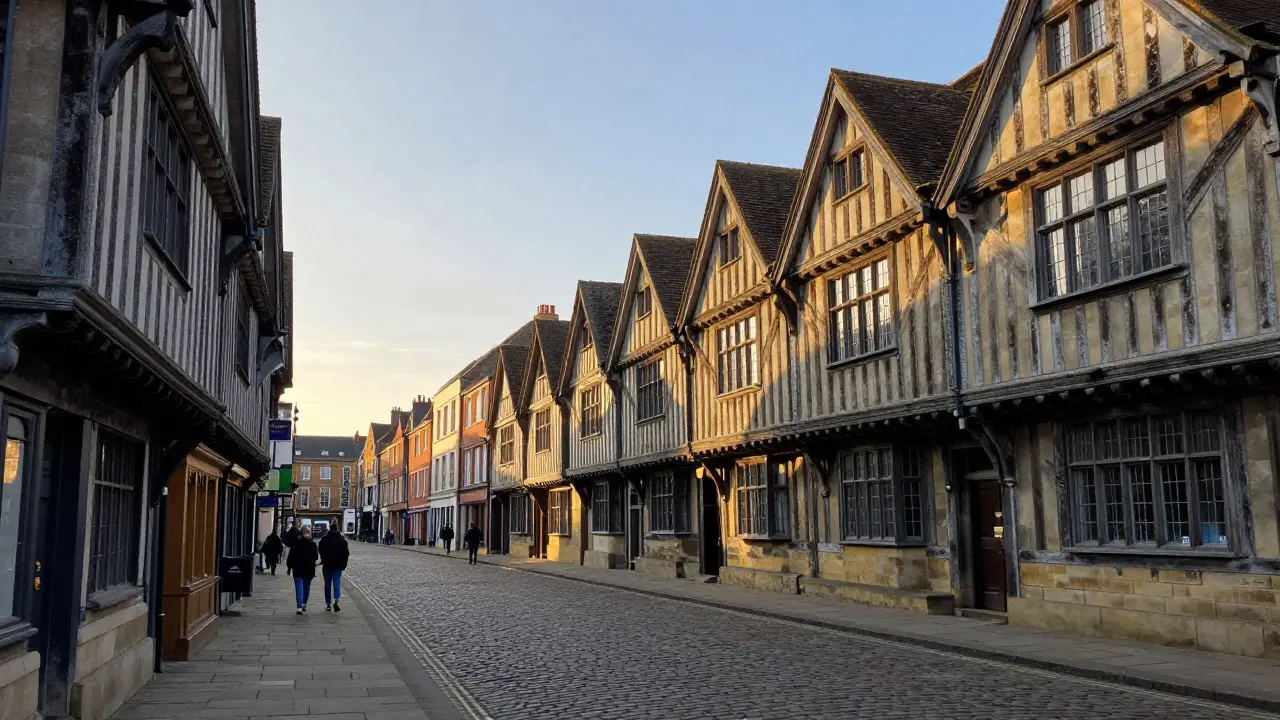
Most people assume a day trip from London means rushing to the coast or getting stuck in traffic on the M4. But there is a place that feels like stepping back 800 years without leaving the UK’s modern rail network. Winchester is the first capital of England, located in Hampshire, known for its intact medieval layout and stunning cathedral. It sits just under two hours from central London by train, making it one of the most efficient escapes for history buffs and foodies alike.
You don’t need a car to enjoy this city. The station drops you right at the edge of the historic core. You can spend your morning wandering the High Street, which is one of the longest in Europe, and your afternoon watching the light hit the stone of Winchester Cathedral. It is rare to find a destination where every street corner offers something new, yet everything fits within a comfortable walking distance.
Getting There: The Fastest Route
The logistics are simple. Trains depart from London Waterloo station multiple times an hour. The direct service takes approximately 1 hour and 45 minutes. This is significantly faster than driving, where traffic on the A30 can easily add another hour during peak times. If you are traveling from other parts of London, check if a change at Reading or Slough saves time, though the direct option is usually the smoothest.
- Departure: London Waterloo (South London)
- Duration: ~1 hour 45 minutes (direct)
- Frequency: Every 30-60 minutes
- Cost: Advance tickets often start around £20-£30 one way if booked early
Arriving at Winchester station, you walk out onto Queen Street. From here, the High Street begins immediately. There is no need for local transport; the entire historic center is pedestrian-friendly. Keep your luggage light unless you plan to stay overnight, as cobblestones can be tricky with heavy bags.
The Heart of the City: High Street and Guildhall
Walking down the High Street is the main event. It stretches for nearly a mile, lined with timber-framed buildings that date back to the 15th and 16th centuries. These aren't replicas; they are original structures that have survived fires and wars. Look up at the overhanging upper floors, a common feature in medieval architecture designed to maximize space on narrow plots.
Halfway along, you will find the Guildhall. Built in 1706 but sitting on a much older site, it houses the city's administrative records. Inside, you can see the old gaol cells, giving a grim reminder of how justice was administered centuries ago. It’s a small museum, but it adds depth to your understanding of daily life in medieval Winchester. Don't miss the view from the top of the tower if it’s open; it offers a panoramic look at the surrounding countryside.
Winchester Cathedral: The Spiritual Center
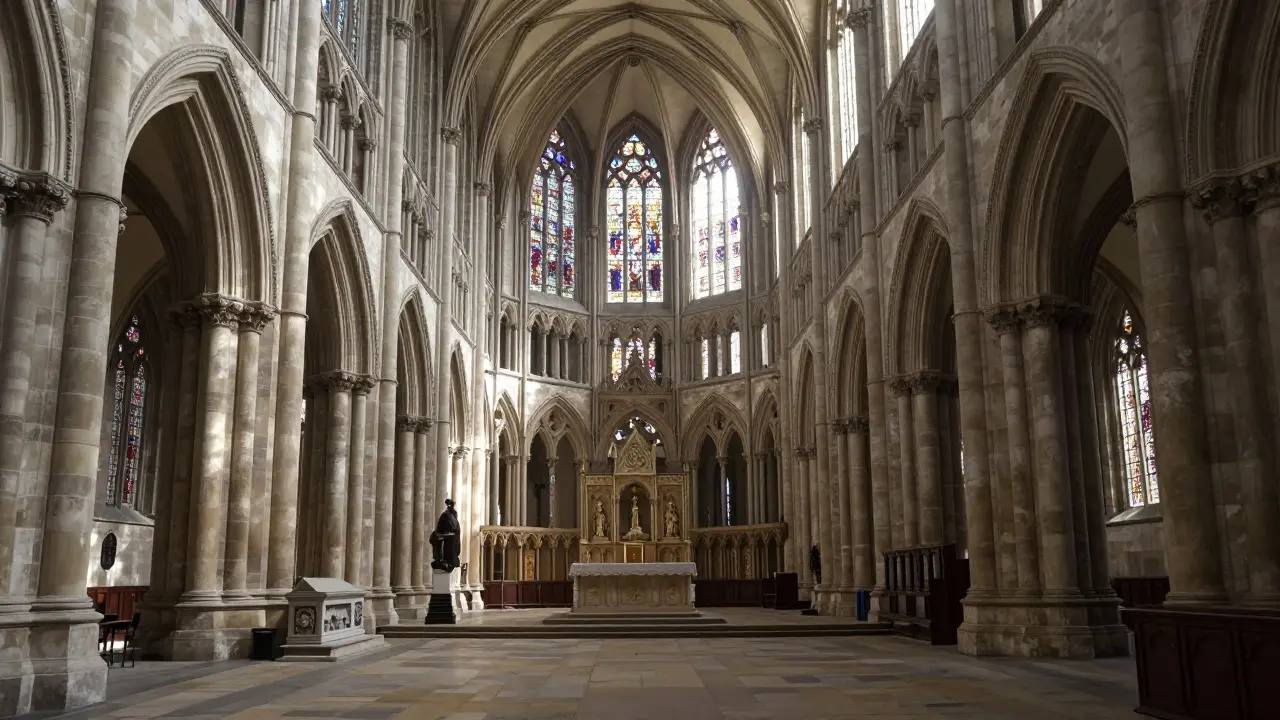
No visit is complete without entering Winchester Cathedral. Founded in 662 AD, it is one of the oldest churches in England. Unlike many gothic cathedrals that prioritize height, Winchester focuses on width and length. The nave is exceptionally long, creating a sense of endless progression toward the altar.
Inside, keep an eye out for the tomb of King Henry I, who died here in 1135. His remains were moved several times before finding their final resting place. The cathedral also holds the shrine of St. Swithun, a 9th-century bishop whose relics are believed to bring rain when exposed to sunlight-a legend that has persisted for over a thousand years. The atmosphere inside is quiet and reflective, a stark contrast to the busy streets outside. Entry fees vary, but they typically include access to the cloisters and the crypt, which contains the oldest surviving Romanesque stonework in the country.
Dining and Coffee Breaks
Winchester has a thriving food scene that caters to both tourists and locals. For lunch, avoid the chain restaurants directly on the High Street if you want a more authentic experience. Instead, head slightly off the main drag into side streets like St. Cross Street or Church Street. Here, you’ll find independent cafes and bistros serving fresh, locally sourced ingredients.
Try a traditional Sunday roast if you are visiting on the weekend, or opt for a lighter meal with local cheeses and wines from Hampshire vineyards. Many shops sell regional products, so consider buying a bottle of local wine or some artisanal bread to take home. Coffee culture is strong here too; there are several specialty roasters offering single-origin beans. It’s the perfect spot to rest your feet after a morning of walking.
Nature Nearby: The South Downs Way
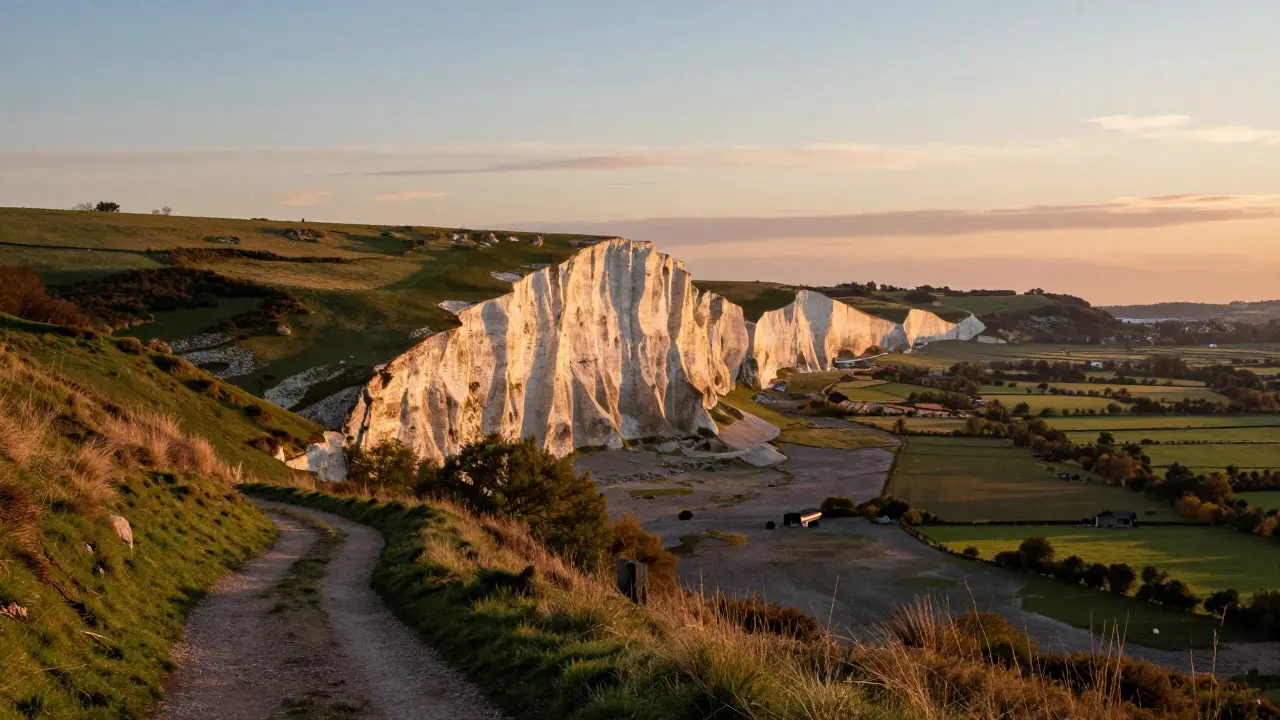
If you have energy left, Winchester serves as a gateway to the South Downs Way, a National Trail that runs along the chalk hills south of the city. You don’t need to hike the entire 100-mile route. Just a short walk from the city center leads to paths overlooking the valley. The views are dramatic, especially in the late afternoon when the sun hits the white cliffs.
This area is popular with cyclists and walkers. If you prefer a slower pace, rent a bike from one of the local shops and follow the towpath along the River Itchen. The riverbank path is flat and scenic, passing through parks and green spaces that offer a peaceful end to your day. The air here is noticeably cleaner than in London, making it a great reset for your senses.
Shopping and Local Crafts
While the High Street has some touristy gift shops, there are hidden gems worth exploring. Look for stores selling handmade jewelry, leather goods, and books. Winchester has a long literary history, associated with authors like Jane Austen and Charles Dickens, who both lived nearby. Bookshops often stock rare editions and local histories. Art galleries are also scattered throughout the city, showcasing works from both established and emerging artists. It’s a good place to find unique souvenirs that aren’t mass-produced keychains.
Practical Tips for Your Visit
Timing matters. Try to arrive by 10 AM to beat the crowds at the Cathedral and get the best light for photos on the High Street. Wear comfortable shoes; while the distances are manageable, the surfaces are uneven. Check the weather forecast, as the South Downs can be windy even when the city feels mild. If you are visiting in summer, book restaurant reservations in advance, as popular spots fill up quickly on weekends.
Don’t forget to explore the Old Palace Green, a large open space near the Cathedral. It hosts markets and events throughout the year. Even on a quiet day, it’s a nice place to sit and watch the pigeons. The combination of history, nature, and good food makes Winchester a standout day trip. It’s not just about seeing old buildings; it’s about experiencing a living city that has retained its character despite being close to a major metropolis.
Is Winchester suitable for families with children?
Yes, absolutely. The High Street is safe for walking, and the Cathedral allows family visits. The Old Palace Green is spacious for kids to run around. However, note that some medieval streets are narrow and cobbled, which can be challenging for prams or strollers.
How much does it cost to enter Winchester Cathedral?
Entry prices fluctuate, but generally range from £12 to £15 for adults. Children under 16 are often free. The fee includes access to the main cathedral, the cloisters, and the crypt. Special exhibitions may require an additional ticket.
Can you drive to Winchester and park easily?
Parking in the city center is limited and expensive. Most visitors use the Park & Ride facilities on the outskirts, which are connected to the center by bus. If you drive, expect to pay for parking and navigate tight streets. Train travel is recommended for a smoother experience.
What is the best time of year to visit Winchester?
Spring and early autumn are ideal. The weather is mild, and the crowds are smaller than in summer. Summer is beautiful but busy, with festivals and markets. Winter is quieter, and the Christmas lights on the High Street are famous, but days are shorter and it can be cold.
Are there places to stay overnight in Winchester?
Yes, there are several hotels, guesthouses, and B&Bs in and around the city. Staying overnight allows you to enjoy the evening atmosphere and visit the South Downs at sunrise. Booking in advance is recommended, especially during school holidays and festival seasons.