Great Fire of London 1666: Historical Impact and Monument
Discover the devastating impact of the Great Fire of London in 1666, how the city rebuilt itself, and why the London Monument remains a powerful symbol of resilience today.
When the Great Fire of London, a catastrophic urban fire that swept through central London in September 1666, destroying much of the medieval city. Also known as the 1666 London fire, it reshaped the city’s layout, architecture, and even its laws. It began in a small bakery on Pudding Lane, spread fast because of wooden buildings and strong winds, and burned for four days. By the time it was out, over 13,000 homes, 87 churches, and St. Paul’s Cathedral were gone. About 70,000 of the city’s 80,000 people lost their homes. Yet, surprisingly, official records show only a handful of deaths. That’s not because the fire was gentle—it was brutal. But because people had time to flee, and the fire moved so quickly that it didn’t trap many in collapsing buildings.
The Pudding Lane, the narrow street in the City of London where the fire started in Thomas Farriner’s bakery. Also known as the origin point of the Great Fire, it’s now marked by a simple column with a golden flame at its top. That’s the Monument, built to remember what happened. But it’s not just a statue—it’s a measuring tool. It’s exactly 202 feet tall, the same distance from its base to the bakery’s doorstep. The London reconstruction, the massive rebuilding effort led by Sir Christopher Wren and others after the fire. Also known as post-fire London, it introduced wider streets, brick buildings, and fire-resistant designs that defined the modern city. Before the fire, London was a maze of crooked alleys and overhanging timber houses. Afterward, it became a city of order. Wren didn’t just rebuild St. Paul’s—he redesigned the whole skyline. The fire didn’t just destroy. It cleared space for something new.
What you see today in the City of London is still shaped by that fire. Walk down Fish Street Hill and you’re walking where the fire jumped from house to house. Stand at the Monument and look toward the river—you’re looking at the path it took. The fire didn’t just burn buildings. It burned old rules. It led to the first fire insurance companies, the first organized fire brigades, and even new building codes. The Great Fire of London wasn’t just a disaster. It was a reset. And what came after? A city that learned to build smarter, not just bigger.
Below, you’ll find posts that connect to this moment in London’s past—from walking tours of fire sites to how the city’s architecture changed forever. You’ll see how the fire still echoes in today’s streets, museums, and even the way we think about urban safety. This isn’t just history. It’s the foundation of modern London.
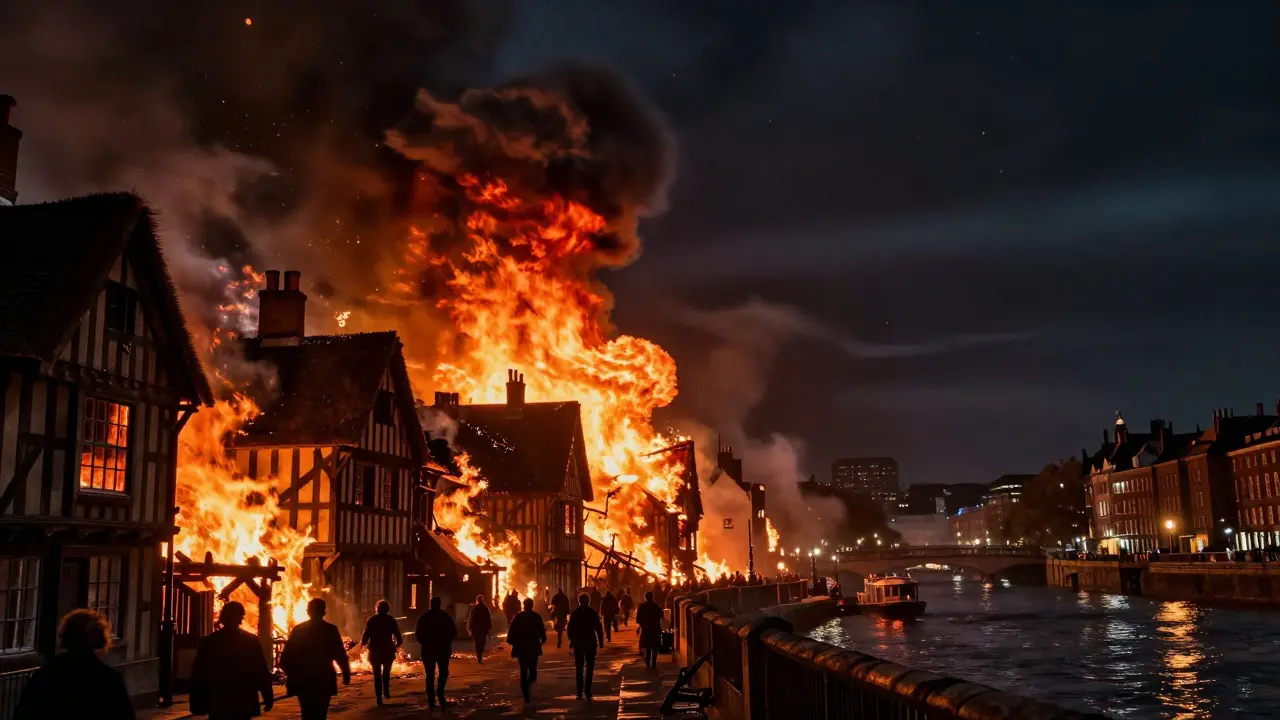
Discover the devastating impact of the Great Fire of London in 1666, how the city rebuilt itself, and why the London Monument remains a powerful symbol of resilience today.
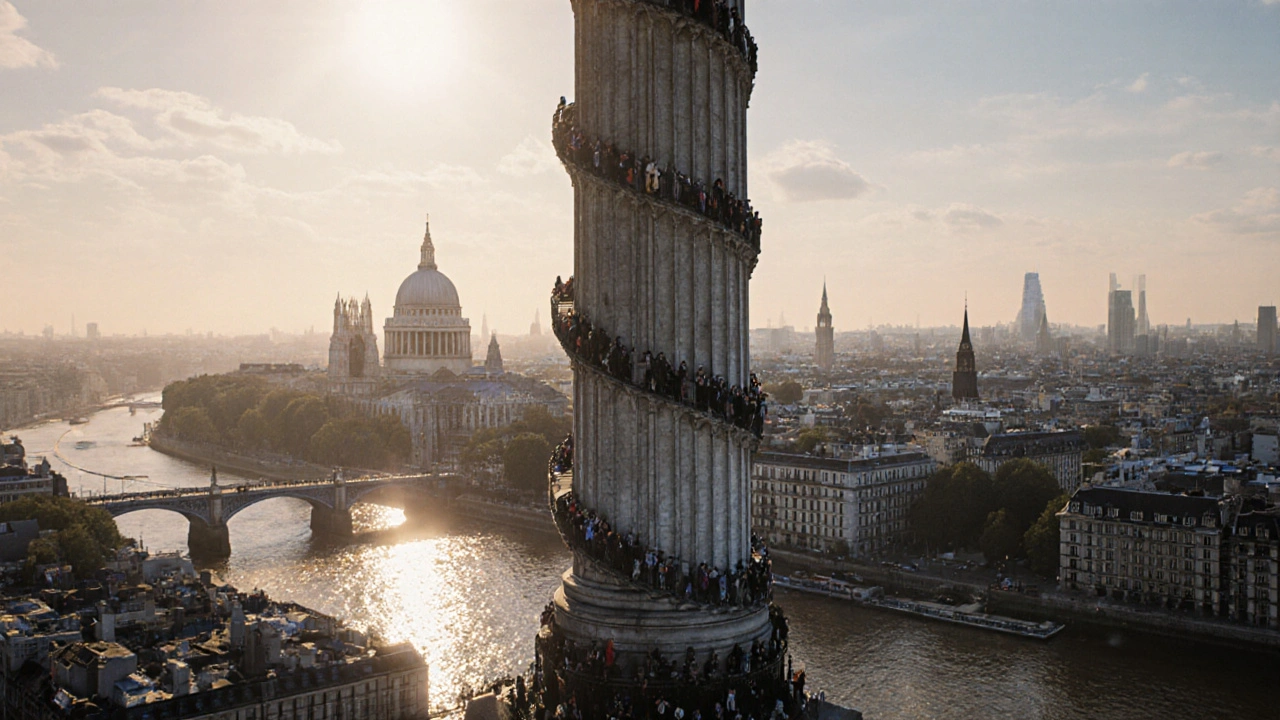
Climb the Monument to the Great Fire for breathtaking city views and a deep dive into London’s history. Learn how the 1666 fire reshaped the city-and why this 17th-century landmark still matters today.